UDA MP Wainaina Urges United Opposition to Abandon Mass Action Threats, Calls for Dialogue with IEBC Ahead of 2027 Polls
“We have witnessed elections in the past that were marred by violence, with calls for mass action contributing to tensions and casting doubt among Kenyans about the ability of the IEBC to conduct free and fair elections. It is in the interest of all Kenyans to have peaceful elections. This country is bigger than any individual,”(UDA) nominated Member of Parliament Joseph Wainaina
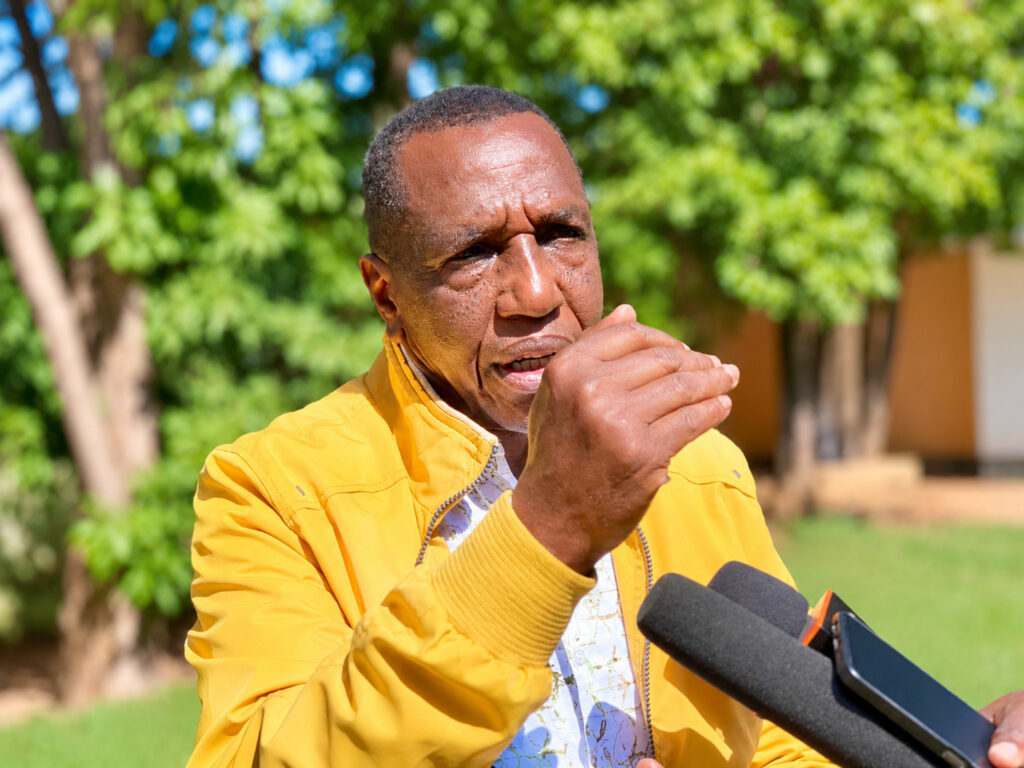
UDA nominated Member of Parliament Joseph Wainaina speaks in Eldoret, urging the United Opposition to pursue dialogue with the IEBC and abandon threats of mass action ahead of the 2027 General Election.
By James Gitaka
United Democratic Alliance (UDA) nominated Member of Parliament Joseph Wainaina has urged the United Opposition to abandon threats of mass action planned for January 2027 and instead pursue dialogue with the Independent Electoral and Boundaries Commission (IEBC) over concerns surrounding preparations for the August 2027 General Election.
Wainaina, who is also a member of the National Assembly’s Committee on National Cohesion and Equal Opportunity, warned that confrontational political approaches could heighten tensions and threaten national cohesion at a time when the country should be preparing for a peaceful electoral process.
Speaking in Eldoret, the legislator maintained that concerns raised by opposition leaders over the credibility, independence and preparedness of the electoral commission should be addressed through established consultation mechanisms.
He argued that both the opposition and the ruling party should be given an opportunity to present their concerns to the commission to ensure transparency and build public confidence in the electoral process.
“There is no need for any political divide to threaten the IEBC by calling for mass action over unmet demands. Let them present their concerns to the commission, whether they are from the United Opposition or the ruling party. This will give the IEBC an enabling environment to conduct free, fair and credible elections,” Wainaina said.
He cautioned that Kenya should draw lessons from previous electoral cycles, when political disputes and disagreements over election outcomes contributed to tensions and violence.
“We have witnessed elections in the past that were marred by violence, with calls for mass action contributing to tensions and casting doubt among Kenyans about the ability of the IEBC to conduct free and fair elections. It is in the interest of all Kenyans to have peaceful elections. This country is bigger than any individual,” he added.
Wainaina further called on politicians across the political divide to exercise restraint, conduct issue-based campaigns and avoid statements that could undermine peaceful coexistence ahead of the 2027 elections.
Opposition raises concerns over IEBC preparedness
Wainaina’s remarks come amid growing disagreements between the IEBC and sections of the opposition over the commission’s preparedness, electoral reforms and the need for greater stakeholder participation in the management of the forthcoming elections.
On November 19, 2026, opposition leaders staged a walkout from a high-level consultative meeting with the IEBC in Nairobi, accusing the commission of failing to adequately address concerns they had previously raised regarding election preparedness.
The leaders, including Wiper Party leader Kalonzo Musyoka, Democracy for Citizens Party leader Rigathi Gachagua, former Chief Justice David Maraga, Democratic Party leader Justin Muturi and DAP-Kenya leader Eugene Wamalwa, said the commission had failed to honour resolutions reached during an earlier engagement on January 28, 2026.
Among their demands is a comprehensive forensic audit of the voters’ register to identify and eliminate duplicate entries, deceased voters and other ineligible registrations while ensuring all qualified Kenyans are included.
The opposition has also called for reforms to the presidential election results transmission and tallying system, proposing a decentralised framework in which constituency-level results form the basis of the national tally.
Other demands include greater transparency in the procurement and deployment of election technology, mandatory livestreaming of voting and tallying processes, as well as the introduction of secure electronic voting for eligible Kenyans living abroad.
The opposition has further proposed regular monthly engagements with the IEBC to monitor election preparedness and assess progress towards implementing electoral reforms.
Former Deputy President Rigathi Gachagua, speaking during the November 19 engagement, said the opposition wanted the commission to address substantive electoral concerns rather than limit consultations to general presentations on its preparedness.
The IEBC subsequently defended its consultation process, saying the opposition leaders had left the meeting before substantive discussions could begin.
In a statement issued on November 20, IEBC Chairperson Erastus Ethekon said walking out of consultations would not resolve electoral concerns, urging political leaders to remain engaged and submit their proposed reforms formally.
The commission maintained that stakeholder engagement was essential in building consensus and strengthening public confidence in the electoral process.
IEBC outlines preparations for August 2027 elections
Meanwhile, the electoral commission has maintained that preparations for the August 10, 2027 General Election are underway, with its Election Operations Plan providing a framework for key activities.
In a September 10, 2026 update to the National Assembly Liaison Committee, the IEBC outlined several priority areas, including voter registration, electoral boundary delimitation, voter education, candidate registration, procurement, logistics, election technology, recruitment and training of electoral personnel, security coordination and dispute resolution.
The commission has also been conducting continuous voter registration since September 29, 2025, as part of efforts to expand the national voters’ register.
In an August 20, 2026 statement, the IEBC projected a register of approximately 28.5 million voters for the 2027 elections, compared with 22.1 million registered voters in the 2022 General Election.
The commission also announced plans to expand voter registration services for Kenyans living abroad from 12 to 26 countries.
It further indicated that the voters’ register would undergo an independent professional audit, while biometric technology would be used to strengthen voter registration and verification and facilitate the identification of duplicate registrations and deceased voters.
The commission has repeatedly called on political leaders and other stakeholders to support its preparations and ensure that political competition remains within the law.
Clergy calls for peaceful political campaigns
Wainaina’s call for restraint was echoed by Eldoret Gospel Ministers Chairman Boniface Simani, who urged political leaders to tone down their rhetoric and prioritise national unity as the country approaches the next General Election.
Speaking in Eldoret city, Simani called on the IEBC to ensure that the 2027 elections are conducted in a free, fair, credible and transparent manner to safeguard public confidence in the democratic process.
He cautioned politicians against inflammatory statements and political exchanges that could heighten tensions and jeopardise peaceful coexistence.

Simani further emphasised the importance of responsible political leadership and urged all stakeholders to support an electoral environment that allows Kenyans to exercise their democratic rights without fear, intimidation or violence.
With the 2027 elections approaching, the debate over electoral reforms, institutional independence and public confidence in the IEBC is expected to remain central to political engagements.
The competing calls for electoral accountability and peaceful political participation underscore the importance of sustained dialogue, transparency and adherence to constitutional processes in safeguarding Kenya’s democratic stability.
About Author