Tanzania’s Loyalty to EAC Questioned
Political analyst Dr. Barrack Muluka echoed these views, pointing out that fear and suppression of political activism are widespread across the region.
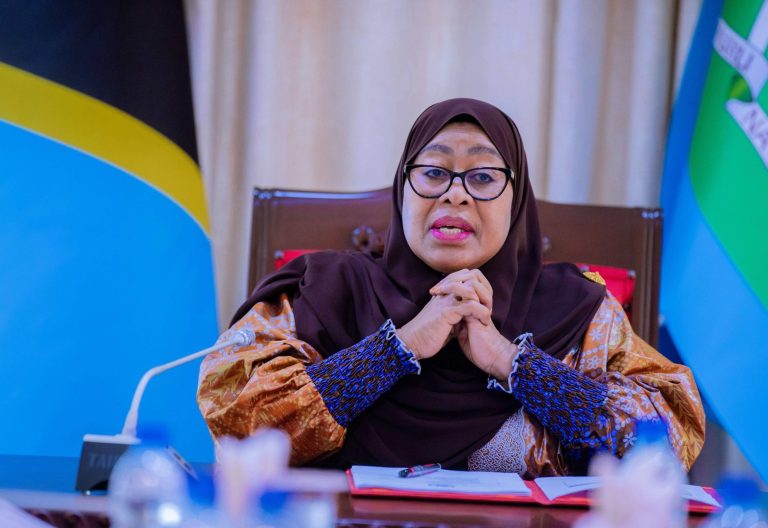
Tanzanian President Samia Suluhu. Photo/Peoples Daily.
By Juliet Jerotich
Tanzania is facing criticism over its commitment to the East African Community (EAC) after claims surfaced that Kenyan and Ugandan activists were abducted and tortured by its authorities.
Political analysts and business leaders have raised alarms about Tanzania’s true allegiance to the regional bloc, especially in light of its ties with the Southern African Development Community (SADC).
Prof. Peter Kagwanja, CEO of the Africa Policy Institute, suggested during an interview on Citizen TV’s JKLive that Tanzania appears to be an unwilling member of the EAC, showing a stronger connection to the SADC region. He compared Tanzania’s position to someone stuck in an unhappy relationship — present but not emotionally invested.
He added that while other EAC countries like Kenya, Uganda, Rwanda, and Burundi allow relatively free movement, Tanzania remains rigid and appears more aligned with southern Africa, both in spirit and political identity. “Tanzania feels more at home in the South,” he said, suggesting the country only remains in the EAC for strategic benefits, such as hosting the EAC headquarters in Arusha.
Political analyst Dr. Barrack Muluka echoed these views, pointing out that fear and suppression of political activism are widespread across the region.
However, he noted that while such paranoia exists in Kenya, Uganda, and Tanzania, the way it is manifested differs. “Activism is legal across these countries; what’s troubling is the inconsistent application of laws,” he said.
Dr. Muluka also criticized EAC institutions like the East African Legislative Assembly for not defending the bloc’s founding principles, particularly the free movement of people and respect for civil rights. “The East African passport should actually guarantee freedom,” he stated.
Infotrak CEO Angela Ambitho shared a personal experience to highlight the challenges of regional travel. She described strict questioning at Tanzania’s immigration desks, saying that traveling there for business or leisure feels more like visiting a foreign country outside the EAC.
The debate comes amid public outrage over claims by Kenyan activist Boniface Mwangi and Ugandan activist Agather Atuhaire, who say they were arrested by Tanzanian immigration officials and mistreated by police.
However, Dar es Salaam Special Police Zone Commander Jumanne Muliro dismissed the allegations, saying the activists should have reported their grievances through proper channels. He labelled their statements as personal opinions rather than official complaints.
These developments have reignited concerns over Tanzania’s role in the EAC and whether it genuinely upholds the values of integration, human rights, and cross-border cooperation.
About Author