School Dormitory Safety: 7 Critical Lessons from the Gilgil Girls’ Fire Tragedy
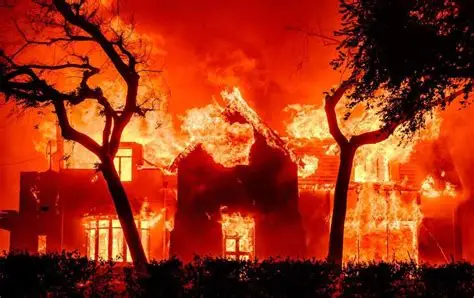
Flames and heartbreak once again expose the painful reality of recurring school fires in Kenya, as the nation mourns young lives lost in tragedies that many believe could have been prevented. Photo/Courtesy
By Mishael Akinyi
The tragic fire at Utumishi girls’ boarding school in Gilgil that claimed the lives of 16 students has raised serious concerns across the country. Following the incident, several boarding schools have been temporarily closed, with students sent home due to strikes and fears over safety conditions.
On May 30/ 2026 the government issued strict regulations for school dormitories. Every dormitory must now have at least two emergency exits that open outward, and locking dormitories at night has been prohibited. In addition, windows should not have metal grills to allow proper ventilation and provide escape routes during emergencies.
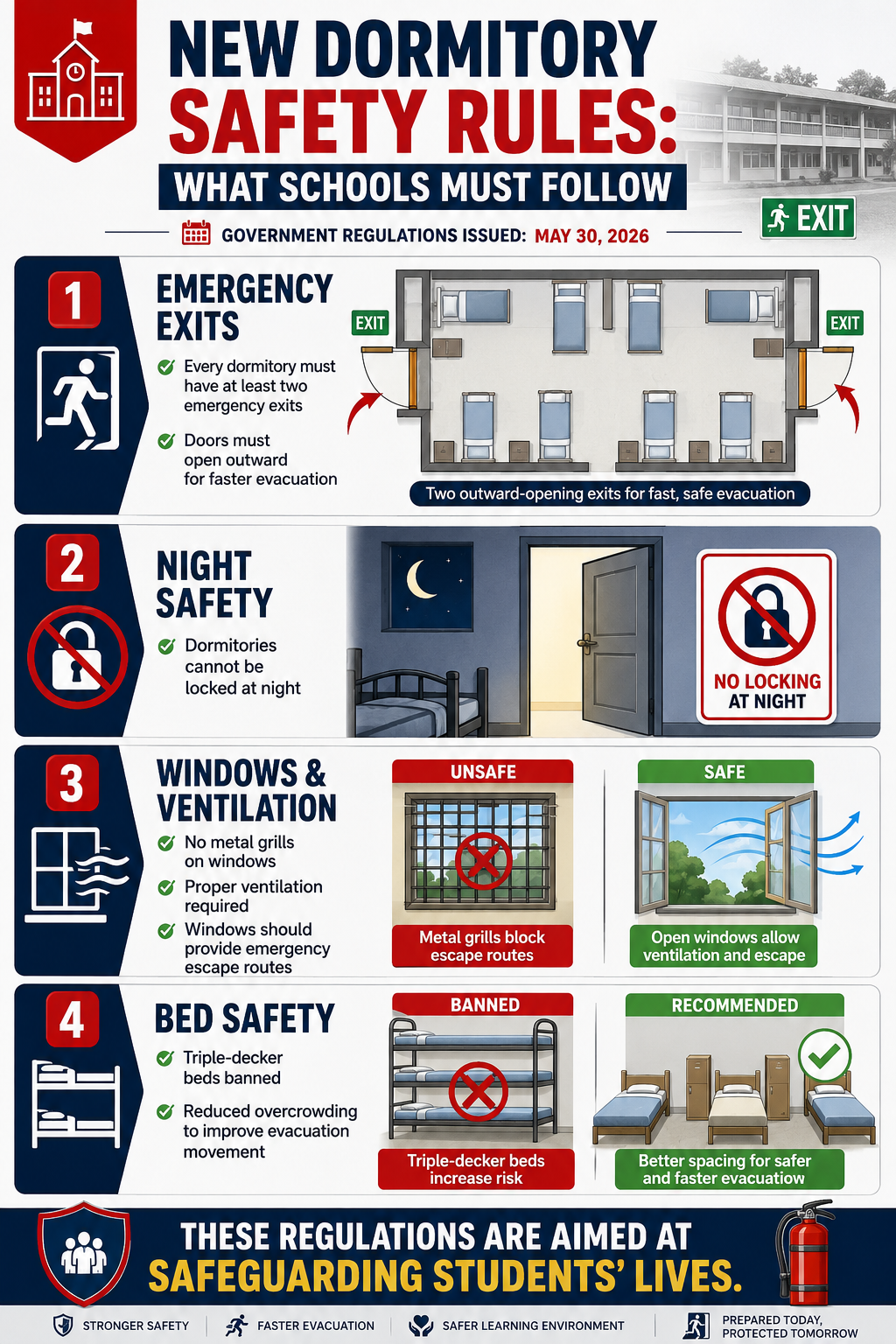
Triple-decker beds have also been banned to reduce overcrowding and improve movement during evacuations.This will safeguard student’s lives.
“Panic and smoke inhalation are among the leading causes of death during fires. In the event of a fire, students are advised to crawl on their hands and knees where the air is cleaner, cover their noses with a wet cloth or blanket, and check doors for heat using the back of their hand before opening them”.Experts indicated.
If clothing catches fire, students should remember the safety rule: Stop, Drop and Roll. Running can worsen the flames, while rolling on the ground helps extinguish the fire.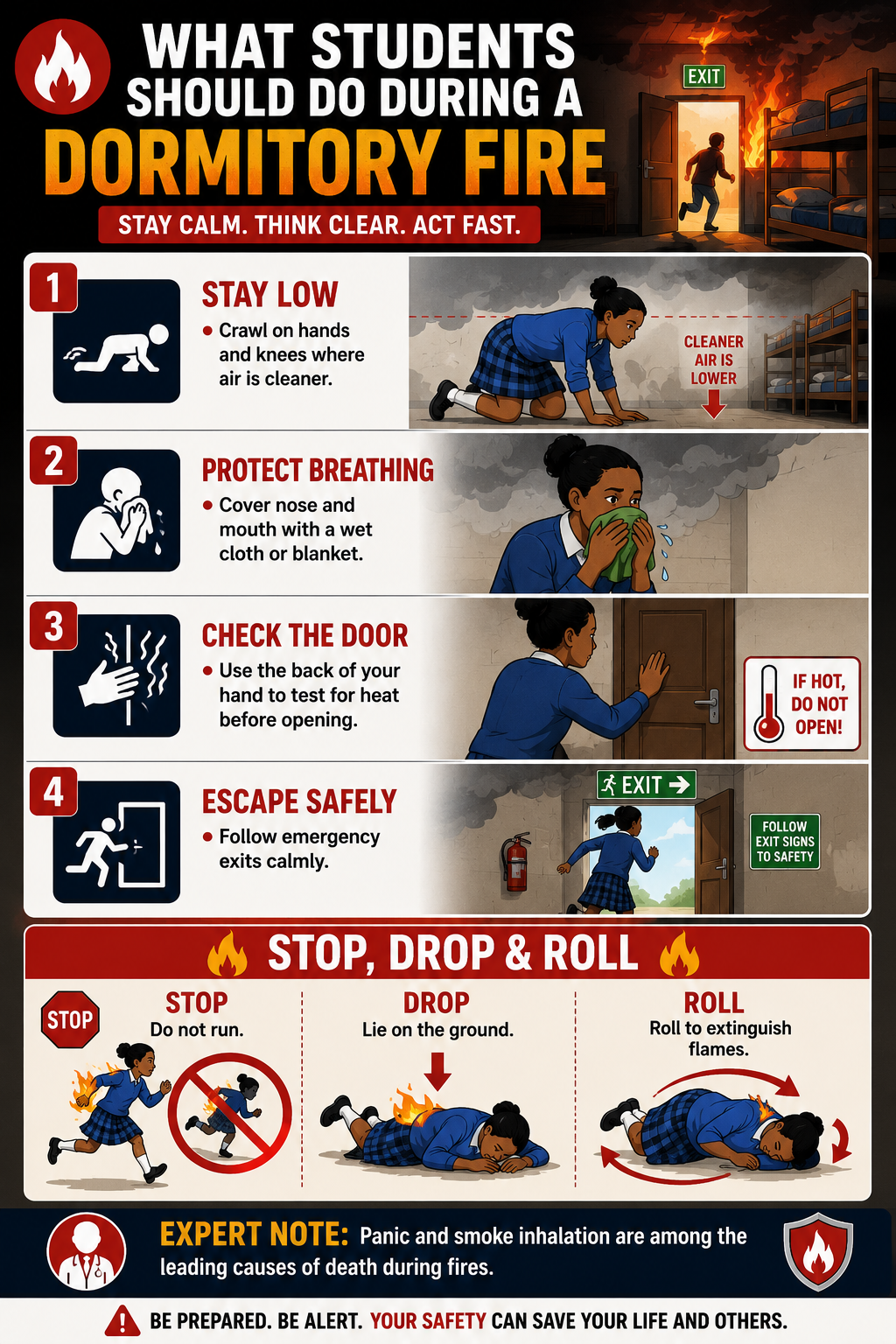
“Beyond physical safety, psychological support remains essential after such tragedies. Many survivors and affected individuals may experience Post-Traumatic Stress Disorder (PTSD), making counseling services a critical part of recovery”.Said the health officials from ST.Joseph mission hospital in Gilgil.
“Beyond physical safety, psychological support remains essential after such tragedies. Many survivors and affected individuals may experience Post-Traumatic Stress Disorder (PTSD), making counseling services a critical part of recovery”.Said the health officials from ST.Joseph mission hospital in Gilgil.
Regular fire drills, improved communication between school administrators and students, and prompt response to students’ concerns are vital measures in preventing future disaster.
The Gilgil school tragedy should serve as a reminder that we must work together to ensure our schools never become death traps.Protecting the safety and mental well-being of our students is a shared responsibility
The Gilgil school tragedy should serve as a reminder that we must work together to ensure our schools never become death traps.Protecting the safety and mental well-being of our students is a shared responsibility
About Author