Ruto Signs Two County Revenue Bills into Law
The Clerk will keep the funds intact for the purpose they were meant for, banked at the Central Bank of Kenya, and released without delay for approved.

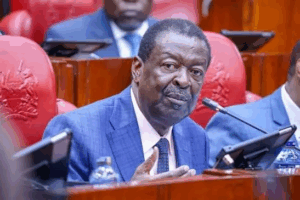
Treasuries in the counties are supposed to make these transfers by the 15th day of each month for spending in the next month. Photo/ Citizen digital
By Juliet Jerotich
President William Ruto has assented to two significant bills aimed at improving county financing and financial management. This took place on Wednesday at the Homa Bay State Lodge.
The first is the County Public Finance Laws (Amendment) Bill, 2023, sponsored by Meru Senator Kathuri Murungi. It gives county assemblies more independence in the control of their finances. The bill amends the Public Finance Management Act to provide for the creation of a County Assembly Fund in each county. The fund will cover administrative costs and facilitate the purchase of assets like land and buildings.
Though such a fund is already catered for under the County Assembly Services Act, the new law gives more detailed provisions. It makes provision for the administration of the fund, its revenue sources, and how funds are to be requisitioned.
The Clerk of each county assembly will manage the fund. The Clerk will keep the funds intact for the purpose they were meant for, banked at the Central Bank of Kenya, and released without delay for approved expenditures. Any amount left at the end of the financial year will be carried forward.
The main source of the fund will be transfers from the County Revenue Fund. Treasuries in the counties are supposed to make these transfers by the 15th day of each month for spending in the next month, but only after the approval of the assembly. Supporters believe this will give assemblies more independence and allow them to carry out their constitutional roles effectively.
The other bill is the County Allocation of Revenue Bill, 2025, sponsored by Senate Finance and Budget Committee chairperson Ali Roba. The bill establishes the distribution of the equitable revenue between counties for the new financial year.
Counties will get Ksh. 415 billion this year, a 7.1% rise from Ksh. 387.4 billion in 2023/24. It is the first time that the fourth revenue-sharing formula under Article 217 of the Constitution will be used.
It requires the Treasury to report monthly on transfers actually effected to counties. The county treasuries are supposed to account for this in their quarterly and annual financial reports. The goal is greater transparency in disbursements.
It also sets budget ceilings on county executives and assemblies. It provides conditions for funding functions transferred from counties to the national government and mandates quarterly performance reports to the Senate and county assemblies.
About Author