President Ruto Casts Vote as UDA Grassroots Elections Draw Massive Turnout Nationwide
Somewhere in the region of three million registered party members could vote, which would map out to an average of about 250 voters per polling centre in the country.
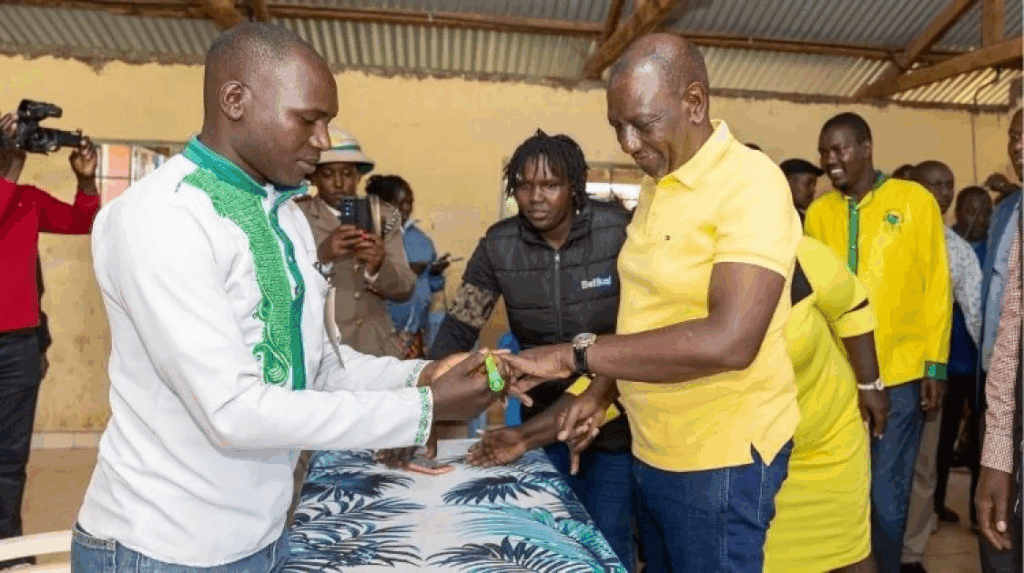
President William Ruto votes during the UDA grassroots elections held at Koilel Primary School in Uasin Gishu County, on January 10, 2026. Photo/Courtesy
By Ruth Sang
Saturday, January 10, was a day that President William Ruto duly participated in as part of the continuing elections in the grassroots party of the United Democratic Alliance (UDA). At Koilel Primary School in Uasin Gishu County, the vote was cast as the ruling party organises a significant and broad internal exercise by the country.
According to the President, grassroots polling was conducted in 20 counties and voting by members of public for polling-centreyielded election of polling center officials. This exercise should assist in the party strengthening structures from the bottom on up, looking forward to sharpening those structures for future political contests.
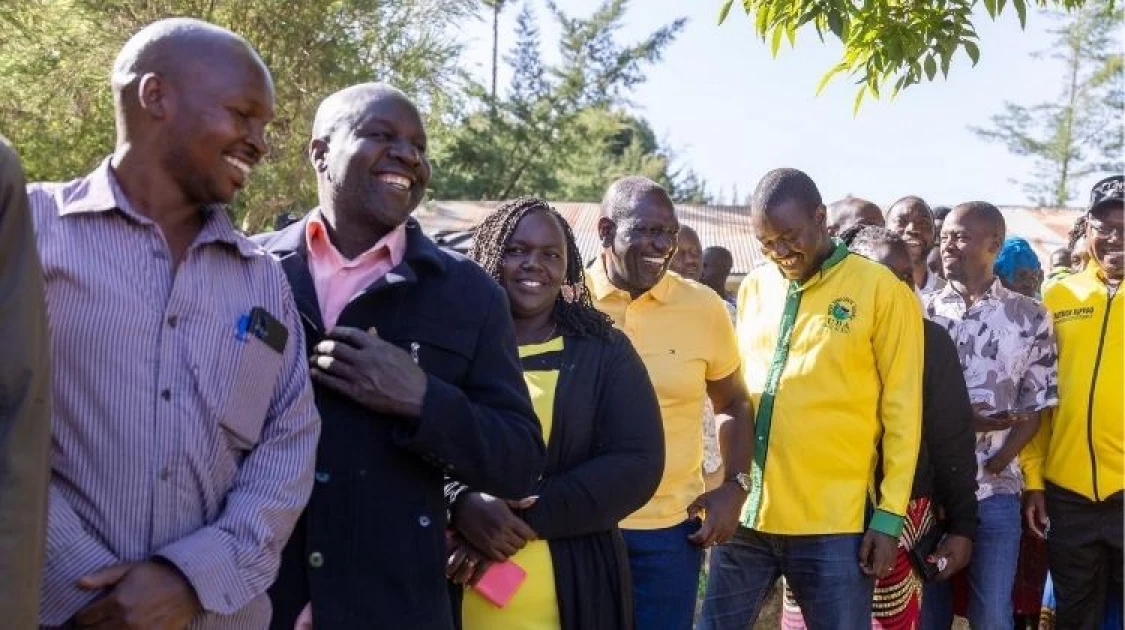
On a message he shared through his official social media handles, President Ruto confirmed him participating in the elections as he termed the activity as a crucial step toward rooting democratic values into the party since it allows members to choose directly grassroots leaders who will represent them.
The Head of State showered praises of the many contestants awaiting contest on varied positions, saying that the enthusiasm indicated strong confidence in the party and its leadership. According to the President, the willingness of members to seek leadership roles at the local level reflects a growing culture of participation and ownership within UDA.
President Ruto observed that the strong turnout of both candidates and voters is making the case for the party’s Bottom-Up Economic transformation Agenda, which emphasises inclusive growth and shared prosperity. He indicated that grassroots leadership plays a big role in ensuring that development policies are informed by the real needs of ordinary citizens.
He was also pleased to commend party members who had turned up extremely well to vote by describing the exercise as testimony on UDA commitment towards good governance and responsive leadership. The President said that this party remains focused on listening to its people and then delivering solutions that address their priorities.
UDA has simultaneously conducted its grassroots elections in about 12,000 polling centers across the country. According to official party data, 310,651 candidates registered to vie for various positions, a figure that is above the available 237,940 party offices. This clearly shows the overwhelming intensity in numbers with which the party competes at the grassroots level.
Somewhere in the region of three million registered party members could vote, which would map out to an average of about 250 voters per polling centre in the country.
The Mt Kenya region has emerged as one of the most competitive areas, recording some of the highest numbers of candidates. Leading all those was Meru County with 35,343 aspirants, much more than the initial projection, which was 21,000. Kiambu followed with 21,000 candidates, Murang’a registered 20,880, Nyandarua 18,665, Nyeri 16,448, Kirinyaga 14,000, and Embu 15,881.
In Rift Valley, Nakuru County had 30,010 candidates, while Bomet recorded 25,350 aspirants. Other counties in the region also posted significant numbers, including Nandi with 15,220 candidates, Uasin Gishu 13,570, Kericho 5,967, Baringo 11,842, Samburu 4,386, Laikipia 2,958, and Elgeyo/Marakwet 7,236.
Western Kenya also reported strong participation, as Kakamega registered 32,677 candidates, Vihiga 7,327, and Trans Nzoia 7,825.
Overall, party figures indicate that 223,425 candidates are facing competitive races, while 80,038 aspirants are unopposed. UDA leaders say the exercise is a critical step in consolidating grassroots networks as the party positions itself ahead of the 2027 general elections.
About Author