Muslim Leaders Welcome Parliament’s Move to Probe SUPKEM Leadership Wrangles
Reacting to the development, Muslim leaders from the North Rift, led by Sheikh Asman Koskei praised Parliament’s intervention, saying it offered hope for reforms within SUPKEM.
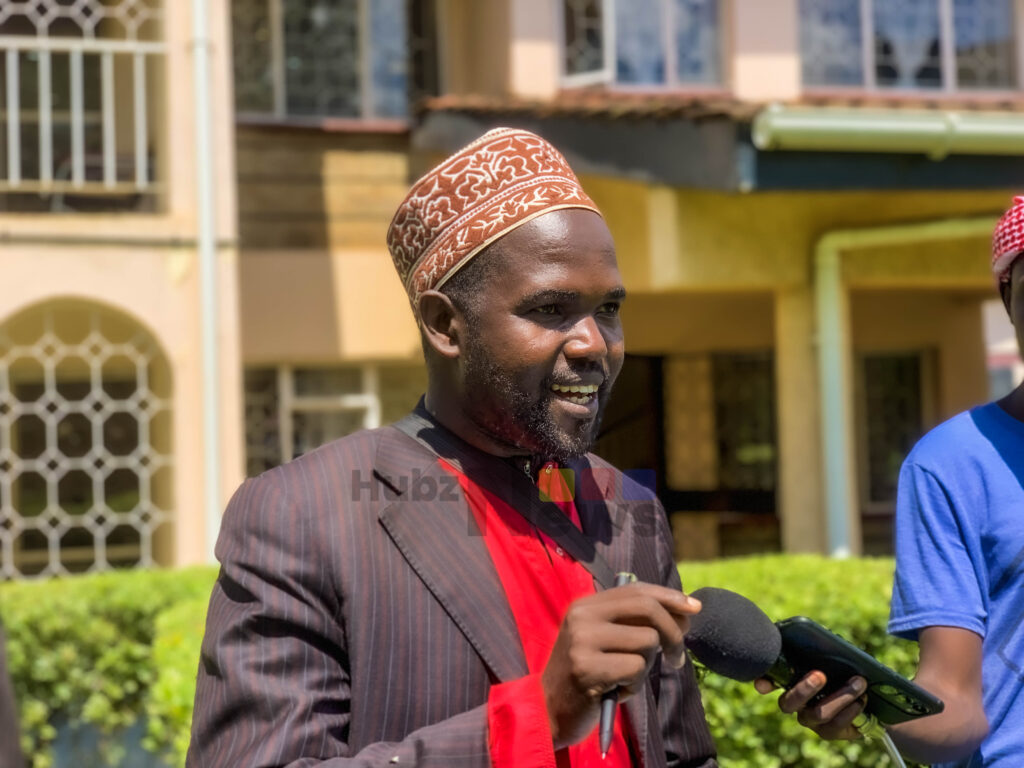
Sheikh Jamal Diriwo Omari addresses the media in Eldoret on Tuesday over ongoing leadership disputes within SUPKEM. Photo: Hubzmedia
Muslim leaders from the North Rift region have welcomed the National Assembly’s decision to refer to its powerful Justice and Legal Affairs Committee (JLAC) a petition seeking an investigation into the ongoing leadership crisis within the Supreme Council of Kenya Muslims (SUPKEM).
The petition was filed by Jamal Diriwo Omari, a Muslim resident of Uasin Gishu County, who has accused the current SUPKEM leadership under Al-Hajj Hassan Ole Naado of gross incompetence, lack of transparency, and violation of the council’s constitution.
In a letter dated August 21, 2025, Omari petitioned Parliament to conduct a probe into what he described as the deteriorating governance of SUPKEM, saying the national Muslim council had failed in its mandate to represent and serve the country’s Muslim community effectively.
“The current leadership has lost the confidence of Kenyan Muslims. SUPKEM has failed in its duty to serve as the umbrella body for all Muslim organisations in Kenya,” Omari stated in his petition.
“We are calling for a full audit of 20 years of accounts, bank statements, balance sheets, and waqf properties to restore transparency and accountability.”
The petition cites multiple constitutional and legal provisions — including Articles 50, 47, 27, 32, 35, 144, and Chapter Six of the Constitution — touching on leadership, integrity, and access to information.
Petition Seeks Leadership Change
Omari’s petition also accuses the National Executive Committee of mismanagement and calls for its immediate resignation or removal. He proposes the formation of an interim committee of respected Islamic scholars to oversee SUPKEM’s affairs for 90 days and organize fresh elections.
“Leadership in Islam demands honesty, fairness, and service to the community. When this trust is broken, it is the duty of believers to demand accountability,” Omari said, quoting verses from the Holy Qur’an condemning corruption and misuse of public resources.
Parliament’s Response
In a communication signed by Jeremiah Ndombi on behalf of the Clerk of the National Assembly, Parliament confirmed receipt of the petition and its formal referral to JLAC.
The letter clarified that although the petition met the legal threshold under the Petitions to Parliament (Procedure) Act, Cap 7E, Parliament’s jurisdiction was limited by Articles 8, 32, and 36 of the Constitution, which restrict state interference in religious institutions.
However, the correspondence noted that JLAC may, at its discretion, explore avenues for mediation and conciliation, or any other measures it deems appropriate to resolve the matter.
“Parliament will act strictly within the confines of the law, and matters touching on internal governance of faith-based bodies must respect the principle of religious freedom,” the letter stated.
Muslim Leaders React
Reacting to the development, Muslim leaders from the North Rift, led by Sheikh Asman Koskei and Jamal Diriwo Omari, praised Parliament’s intervention, saying it offered hope for reforms within SUPKEM.
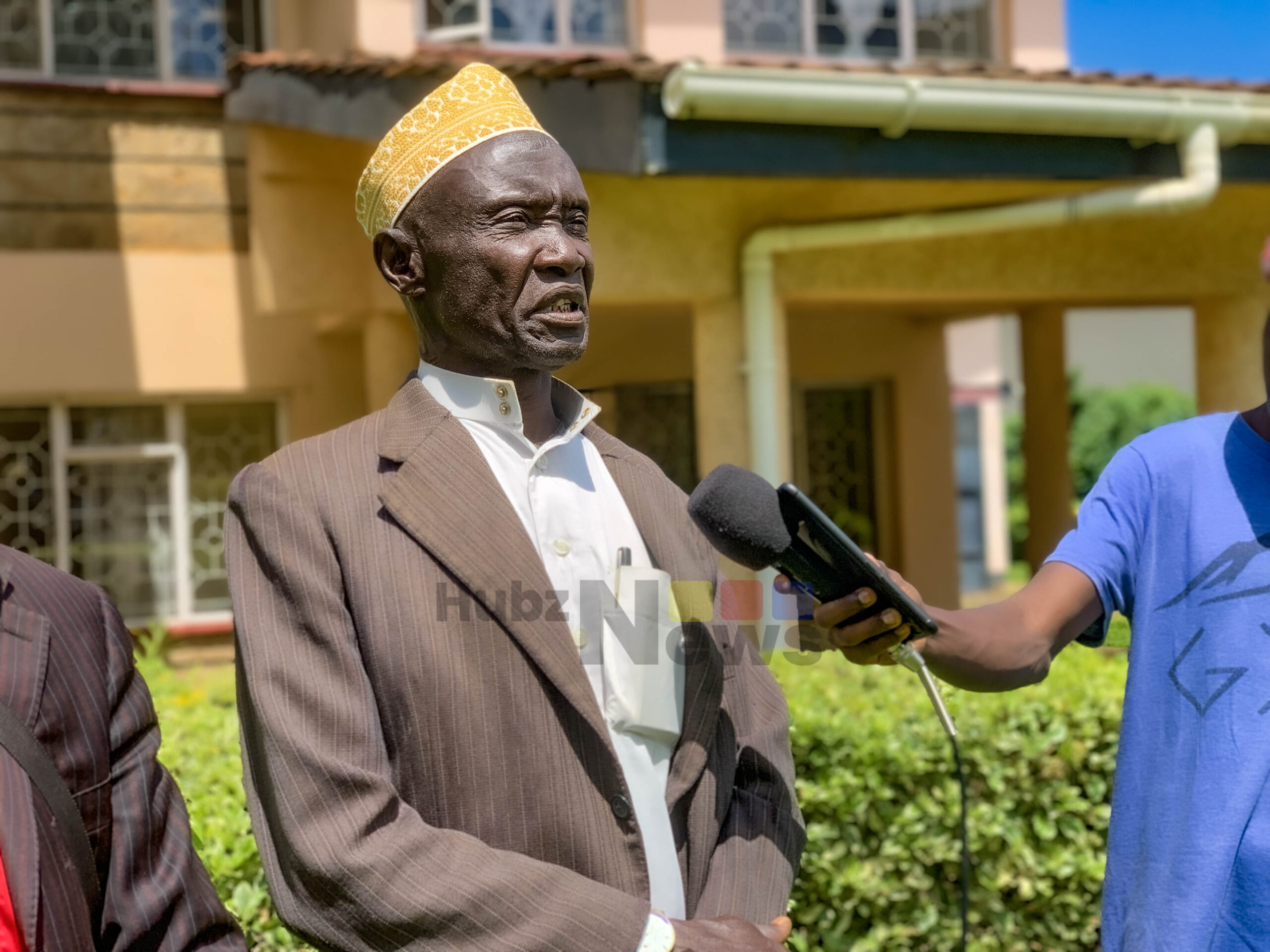
“We thank Parliament for listening to our concerns and for asking the Justice and Legal Affairs Committee to address the crisis in SUPKEM. For too long, poor leadership and misuse of funds have hindered crucial programs, including the organisation of Hajj pilgrimages,” said Sheikh Koskei in Eldoret.
He further urged the government to collaborate with credible Islamic organisations such as the Kenya Muslims League and Professionals Africa to ensure inclusivity and restore confidence in national Muslim leadership structures.
“We need an inclusive dialogue involving other respected Islamic bodies so that the outcome reflects the true voice of Kenyan Muslims,” he added.
Years of Wrangles
SUPKEM, established in 1973, has for years been plagued by deep internal divisions. The rivalry between factions led by Ambassador Yusuf Nzibo and Hassan Ole Naado has resulted in court battles and rival conferences, weakening the council’s unity.
In February 2024, the High Court nullified letters from the Registrar of Societies recognizing the 2017 SUPKEM officials as legitimate leaders, terming the move ultra vires.
Further turmoil hit the council in August 2025, when the Garissa County Security Committee shut down the Quba Islamic Centre citing security concerns amid escalating factional disputes. Around the same time, travel agents sued SUPKEM over alleged arbitrary blacklisting in the management of Hajj operations.
“The wrangles have tarnished the image of a once-respected institution,” said a Nairobi-based Islamic scholar who requested anonymity. “SUPKEM needs to return to its founding values of unity and service to the Muslim ummah.”
With the petition now before JLAC, lawmakers are expected to review its admissibility and determine the next steps. Should the committee opt for mediation, it could privately engage SUPKEM officials, Muslim leaders, and other stakeholders to seek an amicable resolution — or proceed with a formal inquiry if necessary.
For now, Muslim leaders across the country are watching closely, hopeful that Parliament’s intervention will pave the way for reforms, transparency, and renewed unity within one of Kenya’s most influential religious institutions.
About Author