KNCHR Engages Civil Society on Human Rights and Business Policy
Participants discussed what the government should do to ensure accountability and protection of citizens’ rights.
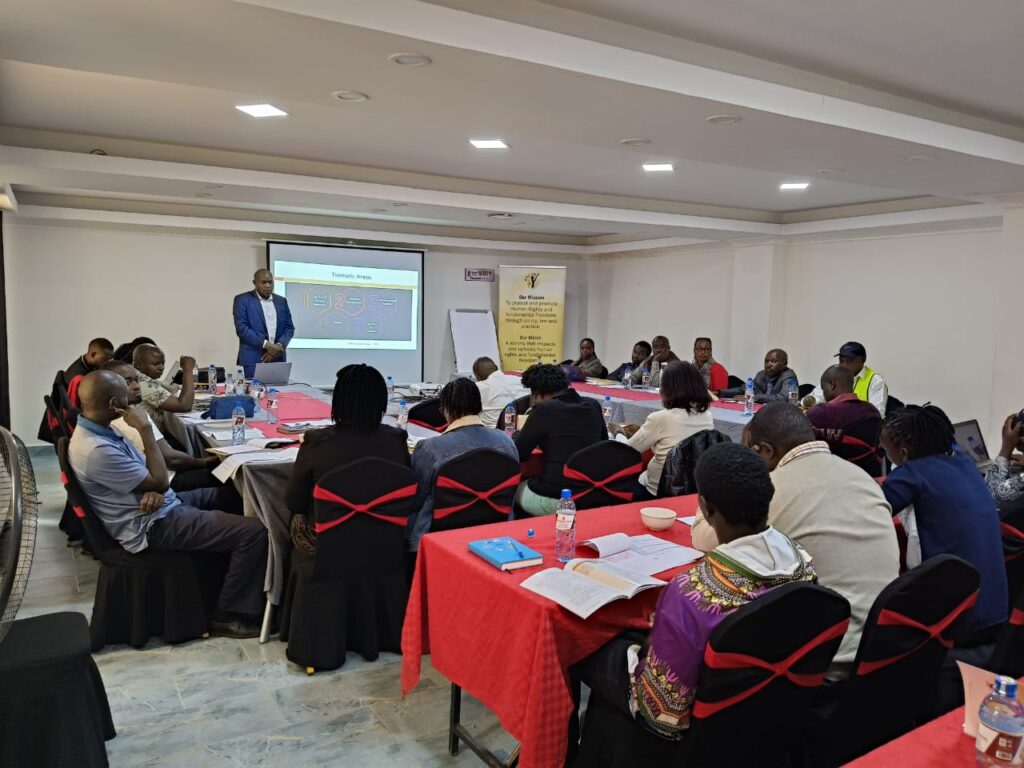
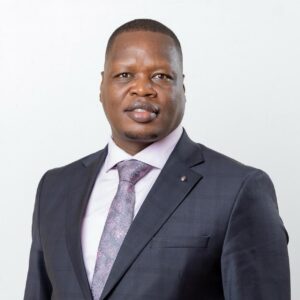
Human right officer Julius ndeda Emphasized that the civil servants must ask KNCHR to give them protection because they are among those experiencing these challenges and may risk being arrested while performing their duties.
By Ruth Sang
On the 10th of November, Kenya National Commission on Human Rights (KNCHR), in collaboration with NGOs, held a meeting to discuss the policy on human rights that was to be followed and how the Government of Kenya could facilitate the implementation of these policies.
The session also focused on how government needs to monitor cases of water pollution, oil spillage, and other environmental issues reported in various regions. Participants discussed what the government should do to ensure accountability and protection of citizens’ rights.
The principles of human rights as well as the responsibilities by the owners of the business to protect human rights were also discussed. The state has a duty to ensure protection of human rights while corporations have their corporate responsibilities to uphold.
The KNCHR team was in Uasin Gishu to address and take note of the problems faced by residents, including child labour, land issues (especially those involving forceful takeovers), and challenges in business licensing. Various challenges faced by civil society actors in the county were also pointed out by participants.
Manipulation of activists, merger financial support, and threats to civil rights defenders are some of the many issues faced by civil society. In the context of youth, their activism is least recognized, and most young people feel left behind. The cost of living remains high, and proper awareness and communication among the public is also lacking.
“The cost of living is high, and awareness of human rights is still low among the public. We must find better ways to communicate and empower people to know and claim their rights,” one youth representative remarked.
Julius Ndida added that civil servants must ask KNCHR to give them protection because they are among those experiencing these challenges and may risk being arrested while performing their duties.
“Civil servants also need protection. They, too, experience intimidation while performing their duties. The Commission must ensure they are safeguarded,” said Ndida.
The meeting concluded with a renewed call for collaboration among the national government, county governments, civil society, and the private sector to strengthen human rights frameworks and ensure that every Kenyan enjoys dignity, justice, and equality.
KNCHR reaffirmed its commitment to continue engaging with communities nationwide to document human rights challenges and push for effective policy implementation.
About Author