Kipkombot Primary School Rises from Brink of Closure to Model Institution, But Needs More Support
“Changing the minds and freeing the imagination of our youth through engagement” is the mantra driving our efforts at Kipkombot, Dr. Rotich
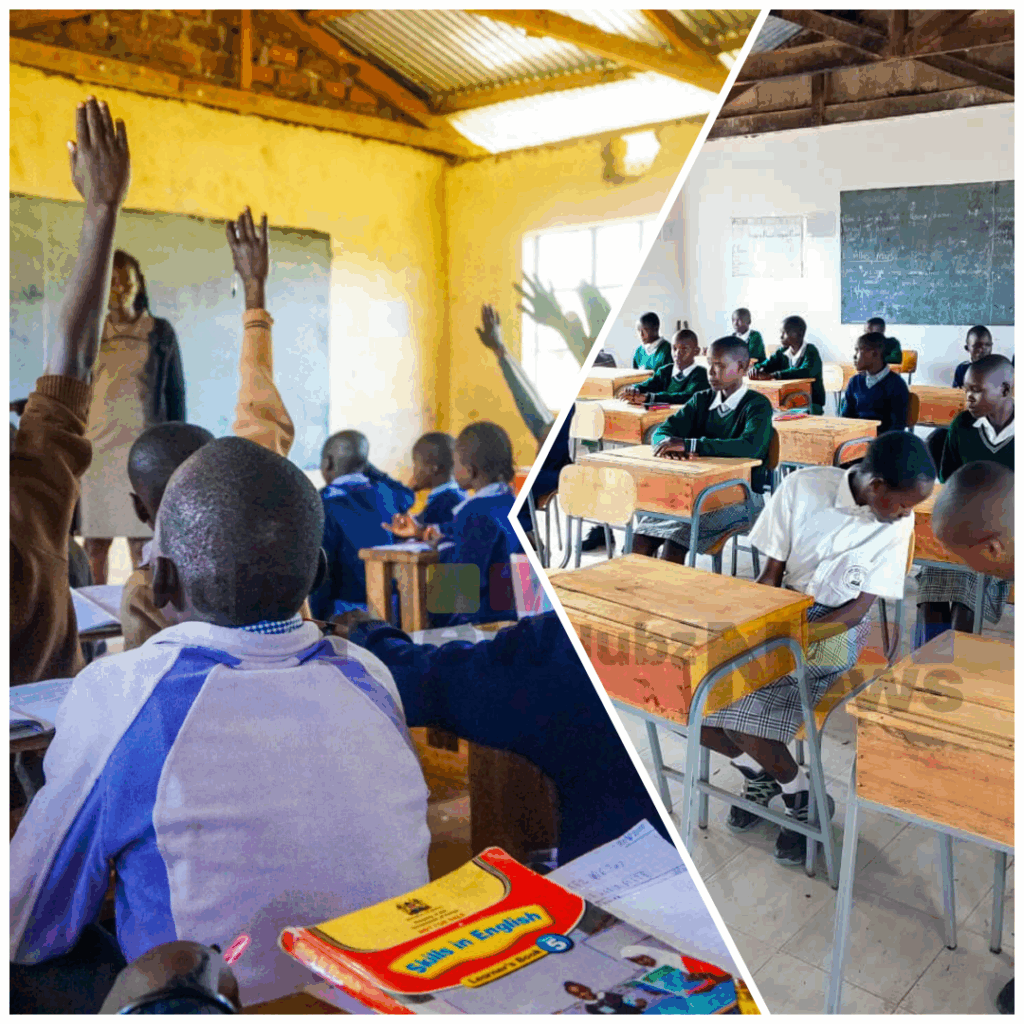
Students of Kipkombot Primary School pictured in their former dilapidated classroom alongside their new, fully refurbished learning space. Photo courtesy of Hubz Media
Kipkombot Primary School, once teetering on the brink of collapse, is on a dramatic rebound thanks to a coalition of alumni, community members, church groups, and government partners. While much progress has been made, the school still faces significant resource gaps that threaten to stall its transformation.
A Troubled Past, A Hopeful Revival
Just a few years ago, Kipkombot Primary was in disrepair: classrooms leaking, compound unfenced, low enrolment, and dwindling morale. The school’s survival was in question.
The turnaround began when a group of committed alumni, led by Dr. Rotich, mobilized support and resources to restore the school’s infrastructure and reputation. Under Dr. Rotich’s leadership, stakeholders—from national and county governments to local parents and church groups—joined the effort.
“Changing the minds and freeing the imagination of our youth through engagement” is the mantra driving our efforts at Kipkombot, Dr. Rotich told hubzmedia.
The alumni-led interventions include fencing the school for security, installing gates, repairing roofs, and refurbishing old classrooms.
“This school was in a deplorable state—dilapidated classrooms, leaking roofs, and an open compound where livestock roamed freely,” Dr. Rotich recalled. “We couldn’t sit back and watch it collapse. Education has the power to transform lives, and we must safeguard it for these children.”
Gains in Feeding, Enrolment & Infrastructure
One of the most visible gains has been the launch of a school-feeding program, designed to keep students in class rather than returning home for lunch. The program has already improved attendance and retention.
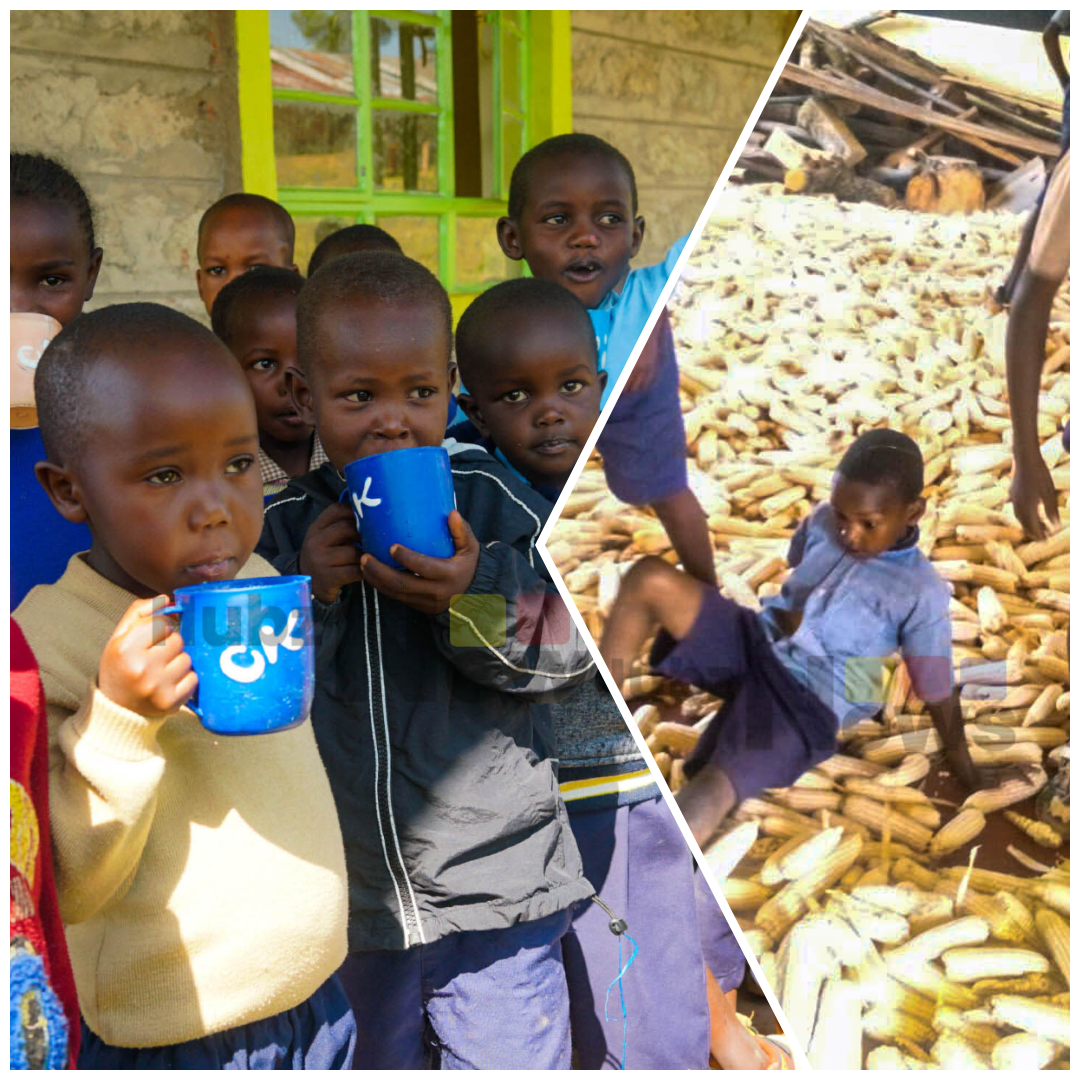
“Many of these children could not return home for lunch, especially during the rainy season,” Dr. Rotich said. “We started the feeding program to ensure they stay in school and learn effectively.”
Headteacher Anne Sitienei says the difference has been remarkable: enrolment has jumped from just over 20 students at its lowest point, to more than 150 today, with expectations to exceed 200 soon.
“We are incredibly grateful to the alumni, especially Dr. Rotich, for fencing the school, ensuring water access, and starting the feeding program. We are no longer at risk of closure,” Sitienei said.
Parents and community members have also voiced support. Pauline Ngelechei, a parent, recounted:
“Our children now have food at school, which is a huge relief. I encourage more well-wishers to support us with additional supplies.”
Alumnus and community leader Anthony Arap Mindio appealed to families who had removed their children:
“Thanks to Dr. Rotich and the alumni, Kipkombot Primary is no longer in a bad state. I urge parents to bring their children back.”
Earlier this week, the school celebrated a bumper maize harvest from its farm—produce that will help support both the feeding program and the surrounding community.
Pledges from MP Kirwa & Local Leaders
Mosop Member of Parliament Abraham Kirwa has committed to supporting Kipkombot’s revival in full. NG-CDF Chair Charles Rutto, said the MP promised to channel funds to the school’s infrastructure needs.
“We are looking into the schools proposal we pledge that Mosop will support Kipkombot completely. Through NG-CDF, we will ensure this school thrives,” Kirwa said through his NG-CDF Chair
This political backing has injected renewed confidence into the revival effort and signals that Kipkombot’s transformation has broader institutional support.
Despite all the successes, critical needs persist. The school still requires approximately 250 desks to accommodate all students. So far, only 25 desks have been secured, each at a cost of KSh 6,000.
Dr. Rotich and community leaders are calling on government agencies, private individuals, NGOs, and philanthropic organizations to fill these gaps.
“This is only the beginning,” Dr. Rotich said. “With sustained support, Kipkombot will become a leading institution—not just in Mosop, but across Nandi County.”
The resurgence of Kipkombot Primary School stands as a powerful example of how local commitment, visionary alumni, and political will can resurrect institutions once thought lost. The coming months will test whether that momentum can be sustained—and whether this beacon of hope can reach its full promise.
About Author