Kenya’s Parliament ignites protests with new bill restricting demonstrations
It would also empower security forces to preemptively disperse gatherings deemed threatening, with violators facing fines or jail time.
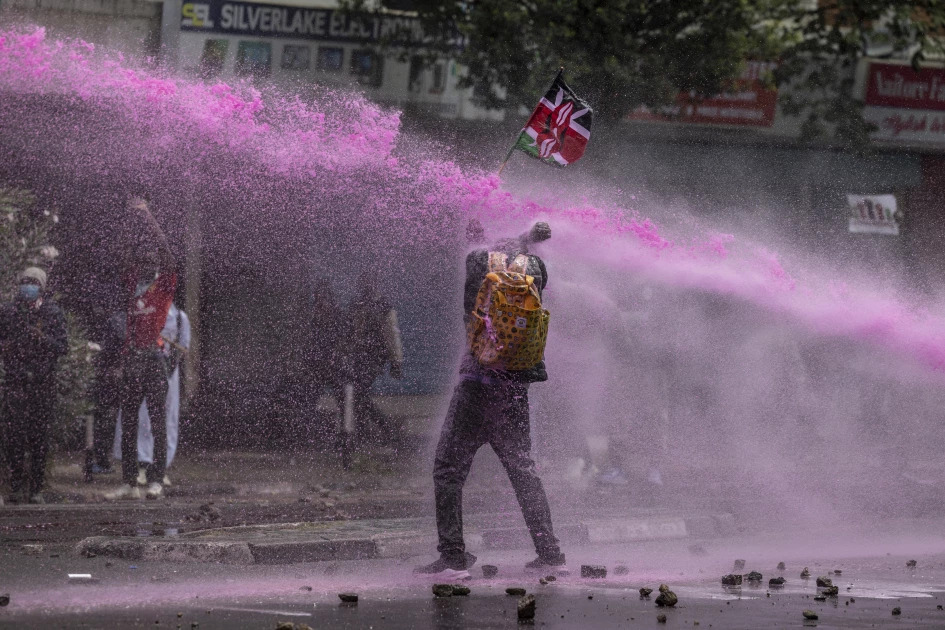
A proposed law to restrict protest zones sparks outrage in Kenya, just days after tax hike demonstrations left at least 16 dead. The Public Order (Amendment) Bill 2025, tabled by Nairobi MP Esther Passaris, seeks to ban protests near government buildings and expand police powers to disperse crowds. July 4, 2025. Photo/Citizen Digital.
Kenya’s Parliament is considering a controversial bill that would limit where citizens can protest, drawing fierce backlash just days after deadly demonstrations over tax hikes shook the country, leaving at least 16 people dead, July 4, 2025.
The Public Order (Amendment) Bill 2025, sponsored by Nairobi lawmaker Esther Passaris, seeks to ban protests within 100 meters of key government buildings, including parliament, courts, and police stations.
It would also empower security forces to preemptively disperse gatherings deemed threatening, with violators facing fines or jail time.
Passaris, a member of the opposition Orange Democratic Movement but an ally of President William Ruto, defended the bill as a measure to safeguard democratic institutions. “Protesters must be restricted,” she told parliament. “There are areas they cannot reach in their quest to be heard.”
The proposal follows June’s youth-led protests against the Finance Bill 2024. The protests, dominated by Gen Z demonstrators, escalated when crowds stormed parliament, prompting a deadly police crackdown and widespread national unrest.
Human rights advocates and legal scholars condemned the bill as unconstitutional and reactionary. “An act of parliament cannot override the constitution,” said constitutional lawyer Willis Otieno. “If lawmakers pass laws aimed at silencing protesters, those changes will be defeated both in the streets and in court.”
Article 37 of Kenya’s 2010 Constitution guarantees the right to assemble and demonstrate peacefully. Critics argue the proposed legislation is a veiled attempt to criminalize dissent and avoid addressing the socioeconomic grievances driving the protests.
Youth organizers, including Francis Auma of Muslims for Human Rights, vowed continued resistance. “This is intimidation, not governance,” he said. “If they shut down parliament, where do they expect us to take our petitions?”
The bill has strained relations within Passaris’s own party. The ODM has disavowed the proposal, reaffirming its commitment to the constitutional right to peaceful protest. “That is a constitutional right, not a favor,” party spokesman Philip Etale posted online.
A similar bill introduced in 2024 was withdrawn after public outcry. Analysts warn this new version may meet the same fate, especially amid growing frustration over inequality, governance, and police brutality.
About Author