Kenya Unveils Sh4.9 Trillion Public Asset Portfolio Amid Push for State Corporation Reforms
The reform programme signals a broader effort by the government to streamline public investments, enhance accountability, and maximise returns from its vast asset portfolio.

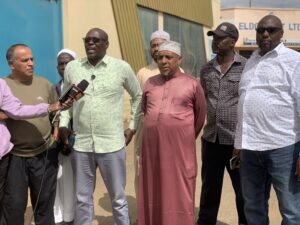
Government officials led by PS Cyrell Wagunda during a briefing on Kenya’s Sh4.9 trillion public asset portfolio and ongoing state corporation reforms. Photo/Courtesy
By Ruth sang
The government has disclosed a Sh4.9 trillion national asset portfolio as it rolls out sweeping reforms aimed at improving efficiency, transparency, and returns from public investments.
Principal Secretary in the State Department for Public Investments and Assets Management, Cyrell Odede Wagunda, revealed the figures while appearing before the National Assembly’s Public Debt and Privatization Committee, chaired by Balambala MP Shurie Abdi Omar. He outlined a comprehensive reform agenda targeting better management of state corporations and harmonisation of government assets.
According to Wagunda, the valuation as of June 30, 2025, places state corporations at the center of government holdings, accounting for the largest share of the asset base. He noted that the figures are the result of an ongoing exercise to compile and align asset registers across ministries, departments, and agencies.
“This process is about bringing order and structure to how government assets are identified, valued, and managed,” Wagunda told the committee.
A major component of the reforms is the introduction of the Electronic Government Procurement (EGP) system, which seeks to eliminate disparities in public procurement and curb excessive spending. The system will standardize pricing for commonly purchased goods across government institutions.
“This system is the way to go. We have seen situations where this water, when it is bought here, could be Sh100, but in another state department it costs Sh500. This platform will ensure standardization and help us cut wastage in government,” he explained.
The committee was also informed of planned structural changes in state corporations. In the first phase of the reforms, 23 entities will be merged into nine new government-owned enterprises, while 16 others—including six regional development authorities—will be dissolved. The move is expected to reduce duplication of roles, lower operational costs, and improve service delivery.
Committee Chair Shurie Abdi Omar welcomed the reforms but stressed the importance of oversight, particularly in large infrastructure projects implemented through Public-Private Partnerships (PPPs).
“I personally wish to visit the project sites so that when I am told a PPP project is complete, I can confidently confirm it on the floor of the House,” she said.
However, lawmakers raised concerns about whether PPP arrangements are delivering value for money. Nyaribari Masaba MP Daniel Manduku questioned the cost-effectiveness of some projects.
“From where you sit and based on market trends, do you think we are attaining value for money in some of these projects?” he posed.
In response, Wagunda, alongside officials from the PPP Directorate, defended the model, stating that all projects undergo detailed feasibility studies and lifecycle-based value-for-money assessments comparing PPPs with traditional procurement methods.
The committee was told that at least 10 PPP projects are currently underway, including the Nairobi Expressway and the Kenya Defence Forces housing project, where 500 housing units have already been completed—an indication of progress under the government’s infrastructure partnership strategy.
About Author