Kenya to Trial Local Vaccines by 2027
Kenya now depends on donor-funded programmes for vaccines, with over 80 per cent of the Ksh. 15 billion annual spending covered by external partners
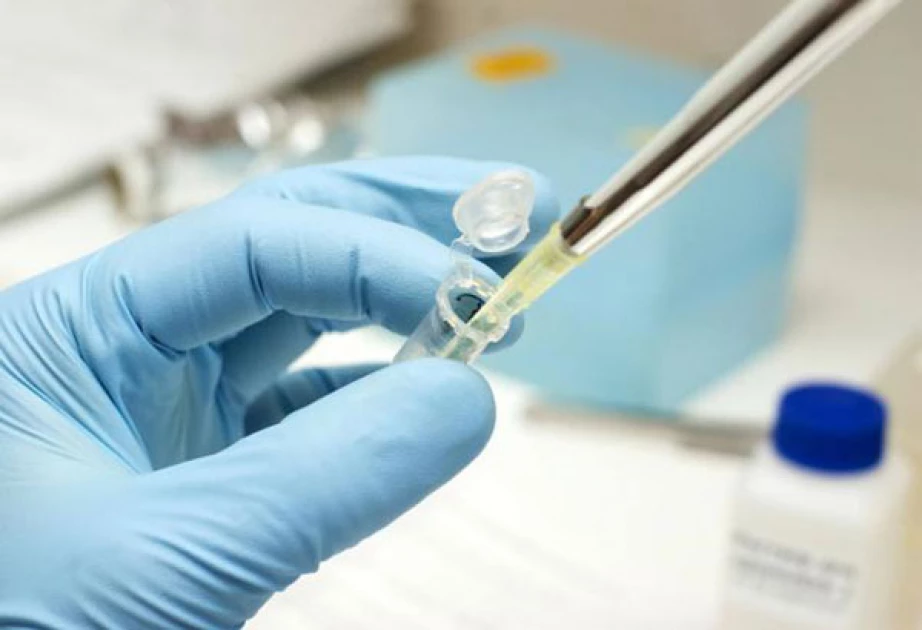
Kenya now depends on donor-funded programmes for vaccines, with over 80 per cent of the Ksh. 15 billion annual spending covered by external partners. Photo/Citizen Digital
By Juliet Jerotich
Kenya will begin running trials for its maiden home-made vaccines within two years, a move that will avail over three million children access to affordable and crucial immunizations.
Kenya BioVax Institute, funded with Ksh. 8 billion by the World Bank, is targeting three vaccines—typhoid and pneumonia—to distribute by 2027. “By doing this, the country will become vaccine supply independent and escape the issues of foreign procurement,” says CEO Dr. Charles Githinji.
“Making vaccines is nothing like any other manufacturing process. It takes advanced technology, meticulous planning, and a great deal of expertise. We have done a lot of groundwork, and with confidence, we can say that in the next 24 months, we will launch our first BioVax vaccine,” Dr. Githinji explained.
Kenya now depends on donor-funded programmes for vaccines, with over 80 per cent of the Ksh. 15 billion annual spending covered by external partners. As Kenya’s status as a middle-income nation reduces the nation’s chances for GAVI support, the urge for local production is urgent.
Dr. Githinji confirmed that production machinery is being installed at the Embakasi plant, in line with global standards. The institute, which was formed to respond to COVID-19 vaccine shortages, is also set to float on the Nairobi Securities Exchange to raise funding and access Africa’s expanding vaccine market.
Vision 2030 Board Chairman Emmanuel Nzai welcomed the initiative, saying it is in line with steps towards achieving Universal Health Coverage (UHC). He noted that the vaccines will be produced locally, making them cheaper, bringing healthcare within reach, and protecting vulnerable individuals.
Nzai also observed that Kenya could be a vaccine manufacturing hub in Africa, boosting the health security of the continent. He also observed that it was hard for Kenya to access doses during the COVID-19 pandemic, and the initiative is set to see such supply gaps never experienced again—even as the nation deals with emerging threats like MPOX.
As per the strategic plan of the institute from 2023 to 2027, BioVax will concentrate on outbreak vaccines, childhood immunization, and therapeutics. The Africa Centres for Disease Control and Prevention estimates the continent’s vaccine market to be between USD 2.4 billion and USD 5.6 billion by 2030, with the majority of African nations continuing to import up to 98 per cent of their supply.
About Author