Kenya, WHO Hold High-Level Talks to Accelerate Universal Health Coverage
WHO maintains global health security leadership through its role in outbreak response coordination and its function as a guide for countries participating in the Joint External Evaluation JEE process.
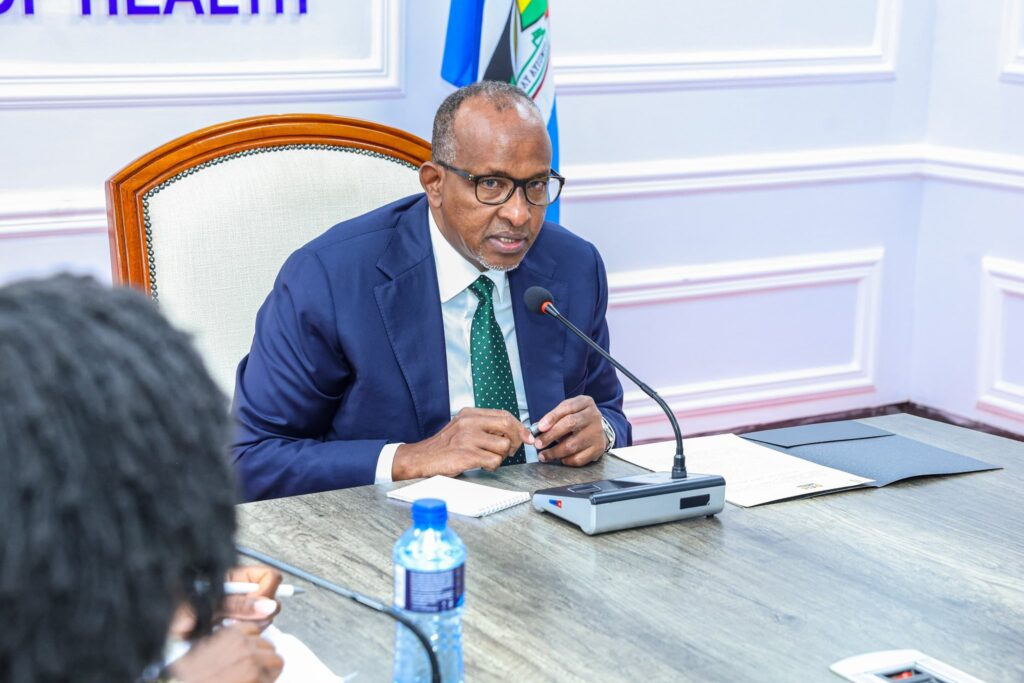
Health Cabinet Secretary Aden Duale .Photo/Courtesy
By Ruth Sang
Push to Strengthen UHC Reforms
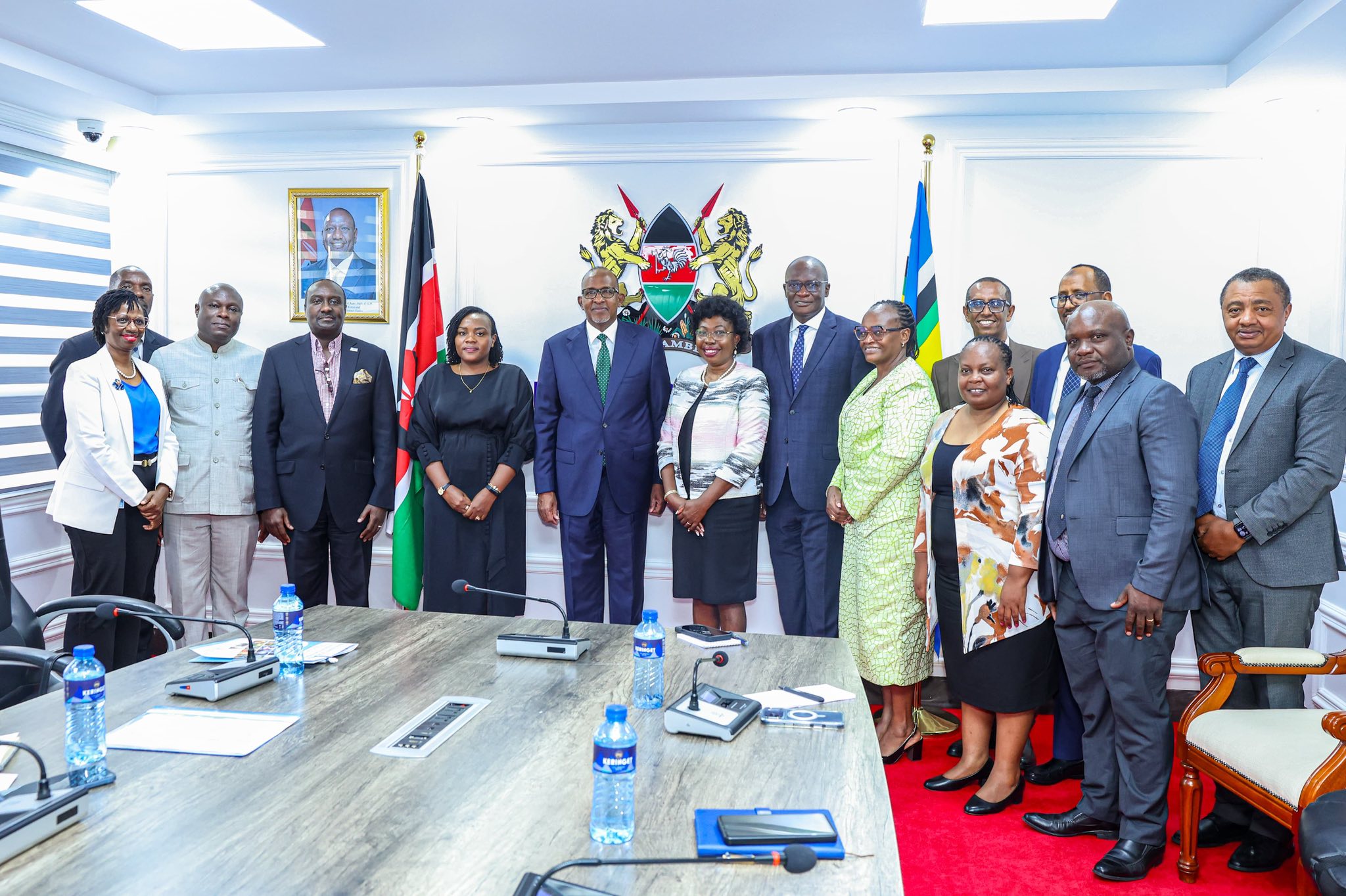
Health Cabinet Secretary Aden Duale conducted a strategic meeting with World Health Organization (WHO) personnel to establish an advanced partnership which aims to expedite Universal Health Coverage (UHC) implementation in Kenya. The WHO delegation was led by Acting WHO Representative to Kenya, Neema Kimambo.
CS Duale showed Kenya’s current health sector reform progress through the presentation of ongoing health sector reform activities which implement the Taifa Care Model under dedicated funding from Social Health Authority (SHA) resources. More than 29 million Kenyans have begun using the new health financing system which shows the widespread effects of the reforms. The Cabinet Secretary identified these reforms as essential for providing citizens throughout the nation with equitable access to high-quality healthcare services.
Community Health and Digital Systems
Duale emphasized the government’s commitment to establishing primary healthcare services through the deployment of 107000 Community Health Promoters CHPs. The workers use Digital Health Superhighway technology to bring vital services to households while they enhance service delivery accountability and reduce fraudulent behavior.
The Kenya Medical Supplies Authority KEMSA has implemented reforms which lead to the agency achieving better medicine distribution and medical supply delivery and health technology provision to healthcare facilities. He stated that strengthening last-mile delivery functions as an essential requirement for achieving complete UHC implementation.
Maternal and Newborn Health Priorities
The WHO team received information about Kenya’s Maternal and Newborn Health Rapid Results Initiative RRI and the Every Woman Every Newborn Everywhere EWENE Agenda. The programs aim to reduce mortality rates and enhance survival outcomes in areas which experience the highest incidence of maternal and newborn fatalities.
The discussion also covered proposed policy reforms for the sector. The session highlighted two measures which included the bed access rule and the proposed Quality Healthcare and Patient Safety Bill 2025. These programs aim to establish uniform healthcare delivery methods while safeguarding patient rights and building a regulatory body which will concentrate on patient safety functions.
Call for WHO Technical Support
CS Duale requested WHO technical support for multiple areas to strengthen existing partnership ties between both organizations. He stated that Kenya aspires to achieve WHO Global Benchmarking Tool Maturity Level 3 ML3 which demonstrates advanced regulatory proficiency. Local pharmaceutical production received priority designation as a requirement.
WHO maintains global health security leadership through its role in outbreak response coordination and its function as a guide for countries participating in the Joint External Evaluation JEE process.
Data, Research and Global Platforms
The cooperation areas included conducting a Reproductive Age Mortality Survey RAMOS and using data science to enhance maternal and newborn health monitoring and aligning Kenya’s health laws with international standards through WHO normative guidance.
The meeting also provided updates on two major global events scheduled to take place in Kenya: the International Maternal Newborn Health Conference in March and the World Health Summit Regional Meeting in April. These forums are expected to give Kenya an opportunity to showcase its UHC progress on the global stage.
CS Duale was accompanied by Director-General for Health Patrick Amoth, as well as senior officials and technical experts from the Ministry of Health. All parties involved in the engagement dedicated themselves to achieving closer ties which would benefit both Kenya’s healthcare system development and its universal care accessibility goals.
About Author