Kenya Partners with Clinton Health Access Initiative to Bridge Health Sector Funding Gaps
The engagement follows heightened concerns about the impact of U.S. government funding interruptions on HIV and TB programming in Kenya.

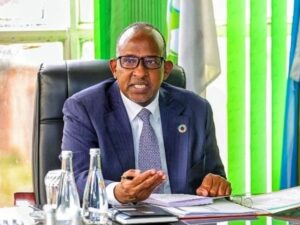
Kenya partners with CHAI to bridge health funding gaps and boost system resilience. Photo/Ministry of Health.
By Robert Assad
The government of Kenya has declared its new collaboration with the Clinton Health Access Initiative (CHAI) to prevent funding gaps and build the resilience of Kenya’s healthcare system.
The engagement is being led by Dr. Ouma Oluga, Principal Secretary for Medical Services, and Dr. Gerald Macharia, Global Director at CHAI.
The engagement follows heightened concerns about the impact of U.S. government funding interruptions on HIV and TB programming in Kenya.
At a strategic meeting in Nairobi, Dr. Oluga highlighted the need to maintain essential health services, especially to vulnerable groups.
“We have achieved a lot of progress in our fight against HIV and TB, but the recent drastic cuts in funding threaten to roll back these gains,” he stated. “This collaboration with CHAI is essential to maintaining continuity of care and making our systems stronger for the future, and it is also opportune.”
In order to fill gaps, CHAI offered a 12-month emergency funding window within their comprehensive support plan. To ensure long-term sustainability of service delivery, the organization will assist the Ministry of Health by identifying alternative funding sources and advocating for structural reforms.
A flagship activity of the partnership is a national Resource Mapping exercise being undertaken in the Ministry to maximize the use of health sector resources and speed up coordination.
In addition, CHAI officials pledged to aid attempts at reinforcing data analytics and institutionalizing resource tracking in order to guide strategic investment.
“Closing a financing gap is not the sole purpose here,” Dr. Macharia said. The purpose is to create an effective, equitable, and resilient health system that will be capable of absorbing shocks and still performing for Kenyans in the coming years.
In a bid to curtail their excessive dependence on external support, the partners also pledged to exploit non-traditional funding sources, such as public-private partnerships.
In order to maximize the impact of available funds and foster integration of health services, they will work with counties as well as other stakeholders.
In attendance was Dr. Emmanuel Ayodi of the Ministry’s Project Management Unit, Dr. Andrew Mulwa of NASCOP, Victoria Wanjohi of CHAI, and Dr. Solomon Matiko Riro, Associate Director for Health Financing at CHAI.
At a moment when donor financing to the rest of the globe is dwindling, the partnership signifies a shift towards more locally owned, evidence-based, and sustainable health financing systems in Kenya, according to officials.
About Author