Kenya Moves to Integrate Traditional Medicine into National Health System to Boost UHC
Kenya is integrating traditional medicine into its health system to strengthen primary care and advance Universal Health Coverage, Ouma Oluga said at the World Health Summit Regional Meeting 2026.
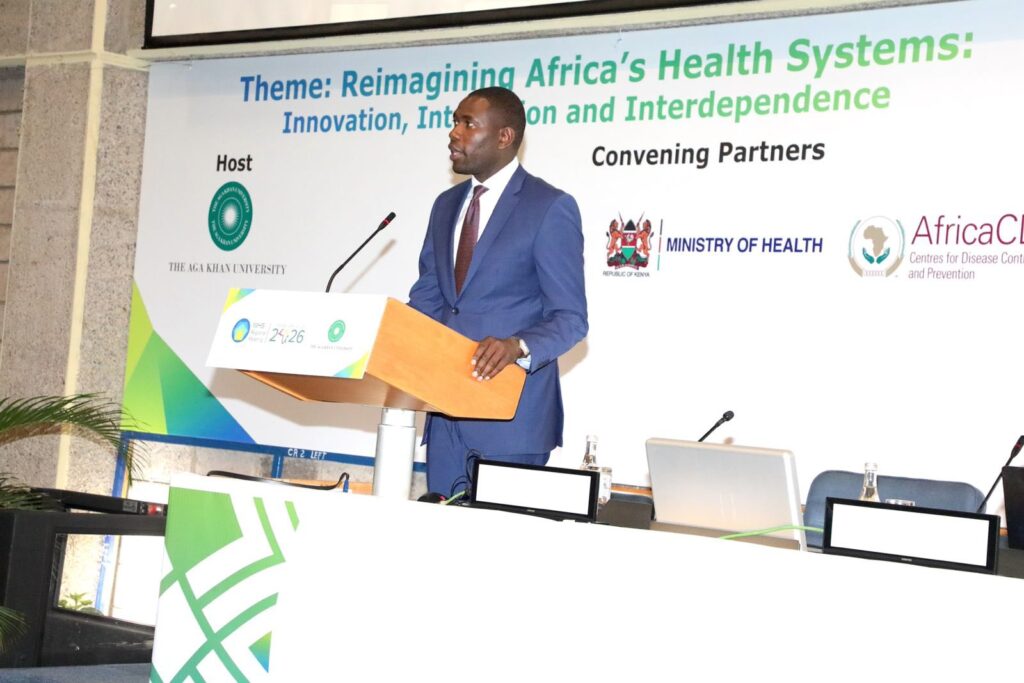
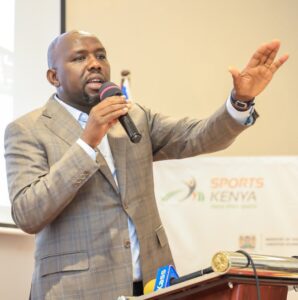
Principal Secretary for Medical Services, Dr. Ouma Oluga. Photo/Courtesy
By Ruth Sang
Kenya has reaffirmed its commitment to integrating Traditional, Complementary and Integrative Medicine (TCIM) into the national healthcare system as part of efforts to strengthen primary healthcare and accelerate Universal Health Coverage.
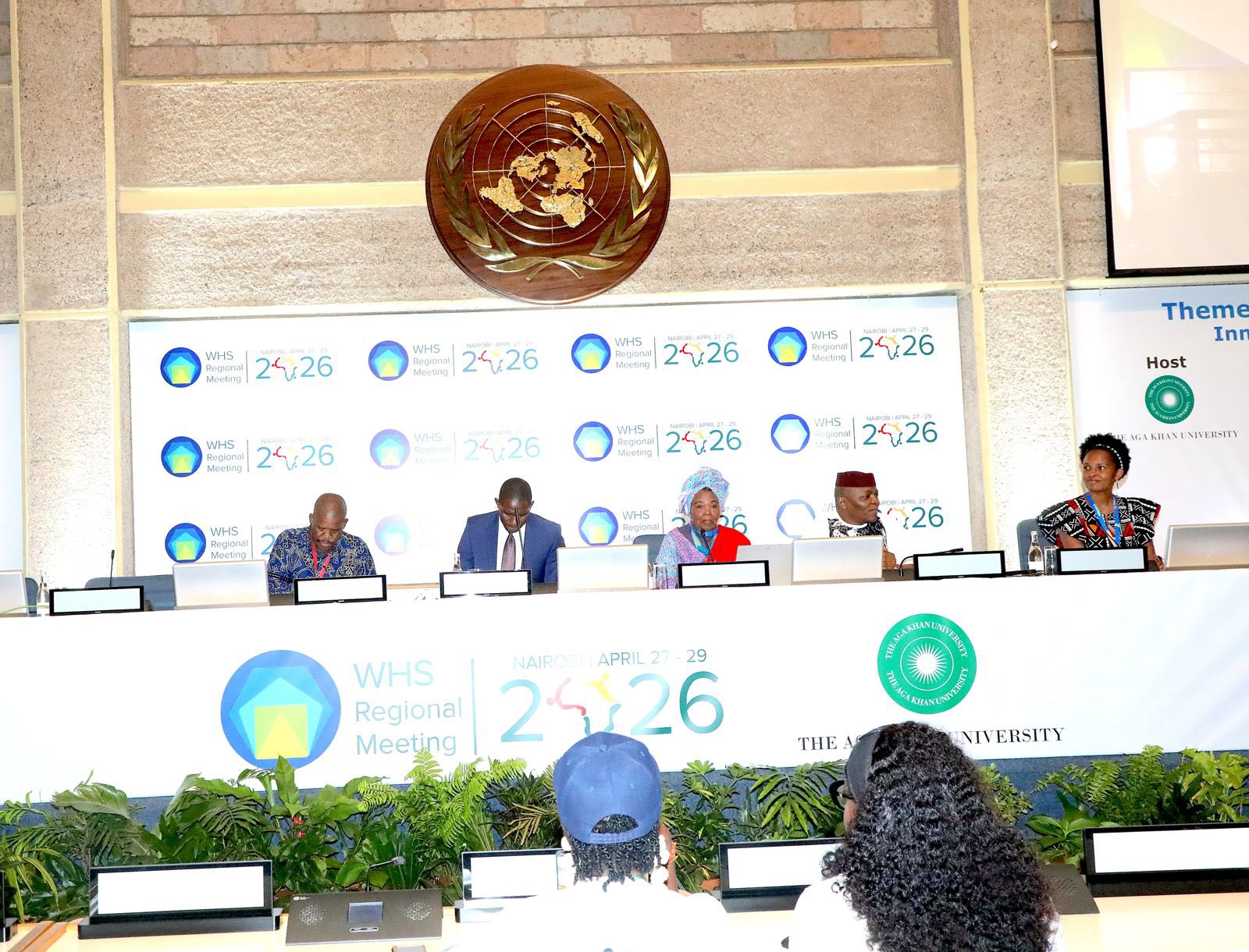
Speaking during a high-level session at the World Health Summit Regional Meeting 2026, Principal Secretary for Medical Services Ouma Oluga underscored the critical role of traditional medicine in addressing Africa’s evolving health challenges, including antimicrobial resistance, non-communicable diseases, and rising healthcare costs.
Addressing the session themed “Traditional Medicine as Part of the Solution: Reimagining Primary Healthcare and Universal Health Coverage in Africa,” Dr. Oluga noted that traditional medicine remains the first point of care for up to 80 per cent of communities in sub-Saharan Africa due to its accessibility, affordability, and cultural acceptance.
He emphasized that Kenya is advancing the integration of traditional medicine through policy frameworks, regulation, standardisation, and quality assurance measures aimed at improving service delivery at the community level.
Dr. Oluga highlighted the Traditional Medicine Policy as a key instrument guiding the safe and evidence-based incorporation of traditional practices into mainstream healthcare. The approach includes strengthening referral systems between conventional and traditional practitioners, fostering interdisciplinary collaboration, and enhancing healthcare outcomes.
He further called for increased investment in scientific research, clinical validation, and documentation of traditional therapies, noting that partnerships with academic institutions and global stakeholders will be vital in building a strong evidence base and promoting innovation.
The Principal Secretary also stressed the importance of structured training and certification for practitioners, alongside regional regulatory harmonisation and cross-border knowledge exchange to support the adoption of best practices.
Urging development partners to prioritise implementation financing, Dr. Oluga said integrating traditional medicine is key to building resilient health systems and achieving Universal Health Coverage across Africa.
He reaffirmed Kenya’s alignment with the World Health Organization Traditional Medicine Strategy 2025–2034, which advocates for safe, effective, and people-centred integration of traditional medicine into national health systems.
The engagement builds on momentum from the Second WHO Global Summit on Traditional Medicine, where Kenya joined other African nations in committing to advance the traditional medicine agenda.
About Author