Kenya Braces for Economic Shock as El Niño Rains Near
The World Meteorological Organisation has warned that the current El Niño is expected to strengthen and could persist into early 2027.
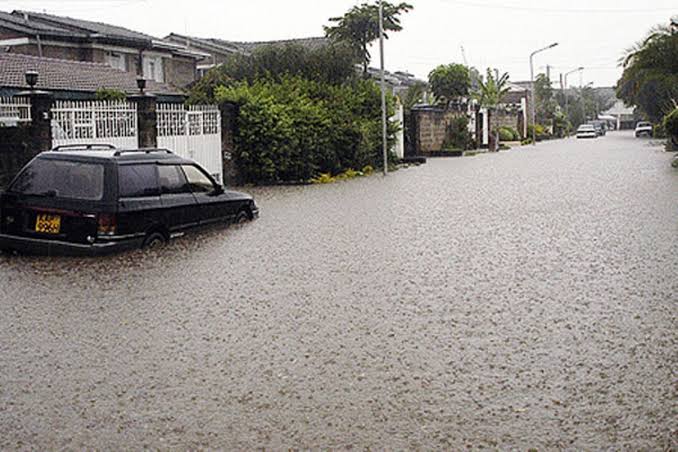
Photo: Courtesy.
By Robert Mutasi
Kenya is facing a fresh economic test as forecasts point to an unusually strong El Niño weather event during the October to December 2026 rainfall season, raising concerns over flooding, food production, infrastructure and the cost of living.
The anticipated weather pattern is expected to bring heavier-than-normal rainfall to parts of East Africa. Previous El Niño events have shown how quickly extreme weather can translate into economic losses, particularly in a country where agriculture remains heavily dependent on rainfall.
The World Meteorological Organisation has warned that the current El Niño is expected to strengthen and could persist into early 2027. The United States Climate Prediction Centre has also placed the likelihood of a very strong event at more than 90 per cent.
Kenya’s experience with previous El Niño episodes provides a warning of what could happen if heavy rains overwhelm drainage systems, rivers and infrastructure.The 1997-98 El Niño remains one of the country’s most damaging weather events.
According to World Bank estimates cited in recent reporting, the wider 1997-2000 El Niño-La Niña episode cost Kenya about Sh290 billion, equivalent to roughly 14 per cent of the country’s gross domestic product during the three-year period.
The floods associated with the 1997-98 episode alone were estimated to have caused losses equivalent to about 11 per cent of annual GDP.The agricultural sector is likely to bear much of the immediate pressure if the rains become excessive.
Flooding can destroy crops, wash away fertile soil, kill livestock and prevent farmers from transporting produce to markets.Damage to roads and bridges could further raise transport costs and interfere with the movement of food and other essential goods.
Businesses could also face interruptions if workers cannot travel or factories are unable to receive raw materials.The effects could eventually reach households through higher food prices.
Previous analysis by the International Monetary Fund has linked El Niño shocks with increases in commodity-price inflation in the period following the weather event.The threat comes as Kenya continues to manage pressure on public finances.
The World Bank expects the Kenyan economy to grow by about 4.3 per cent in 2026 and 4.4 per cent in 2027. A major climate shock could put additional pressure on those projections by forcing the government to spend more on emergency operations, relief and reconstruction.
The government is already preparing for possible disruptions. Reuters reported that Kenya is expected to access about $400 million in emergency World Bank financing under the lender’s Rapid Response Option. The proposed support is intended to help the country respond to several risks, including El Niño-related disruption to agriculture and water resources.
The health sector is also preparing for the possible consequences of flooding. The World Health Organisation said Kenya is strengthening preparedness for health risks associated with potential El Niño-related flooding, which can increase the risk of waterborne diseases and place additional pressure on health facilities.
For families living in informal settlements and other flood-prone areas, the warning is especially serious. Past floods have destroyed homes and displaced communities, leaving families facing the additional cost of finding safer accommodation.
The scale of the economic impact will depend on the intensity and distribution of the rainfall, as well as the effectiveness of preparedness measures.Authorities therefore face pressure to clear drainage systems, protect critical infrastructure, strengthen early-warning systems and ensure emergency teams are ready before the rains intensify.
For Kenya, the coming rainy season is more than a weather event. It could test the country’s ability to protect livelihoods and maintain economic activity while responding to a potentially costly natural disaster.
About Author