Hope for Turkana as Compensation for Human-Wildlife Conflict Victims Kicks Off

Photo/KNA.
By Juliet Jerotich
Dozens of families in Turkana County who’ve suffered from deadly and destructive encounters with wildlife are now one step closer to receiving long-awaited compensation.
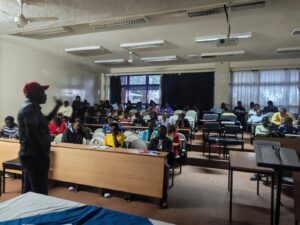
In a crucial meeting held this week, County Commissioner Julius Kavita and Kenya Wildlife Service (KWS) County Warden Elijah Chege led the Turkana wildlife compensation committee through the review of 103 compensation claims, some dating back over a decade.
“Thirty-five of these claims have been pending since as early as 2014, while the remaining 68 are new,” said Commissioner Kavita. “We’re committed to ensuring victims are compensated—but we need accurate and complete information.”
The claims reviewed include:
15 cases of human deaths
22 serious injuries
37 livestock attacks
29 crop destruction reports
The committee’s move marks a significant milestone for families who have endured trauma, loss of life, economic damage, and years of silence. Kavita emphasized the government’s intention to clear the backlog and address new cases—but he also raised red flags.
“Many claims lack essential documents—photos, police reports, or signed KWS forms. Without proof, compensation cannot proceed,” he warned.
Victims or their families must file official reports, fill out the KWS compensation form, and submit all required documentation to be considered eligible. Kavita urged chiefs and local administrators to sensitize the public on the procedures—and recent legal changes.
One such change: Snakebite victims are no longer eligible for compensation, a shift many may still be unaware of.
KWS County Warden Elijah Chege echoed the urgency of the moment, calling on the committee to act swiftly and fairly.
“Behind every file is a family. These aren’t just statistics. They’re real lives—lives that have been changed forever,” Chege said. “We owe them transparency, speed, and compassion.”
He also stressed the delicate balance between wildlife conservation and human livelihood, especially in vulnerable regions like Turkana where pastoralism and wildlife often clash.
As the process moves forward, the committee pledged to fast-track genuine claims while urging residents to report future incidents promptly and keep proper records.
About Author