High Court Upholds Gachagua’s Impeachment, Awards Sh50 Million for Violation of Fair Hearing Rights
The High Court has upheld Rigathi Gachagua’s impeachment while ordering the Senate to pay him Sh50 million for violating his right to a fair hearing.
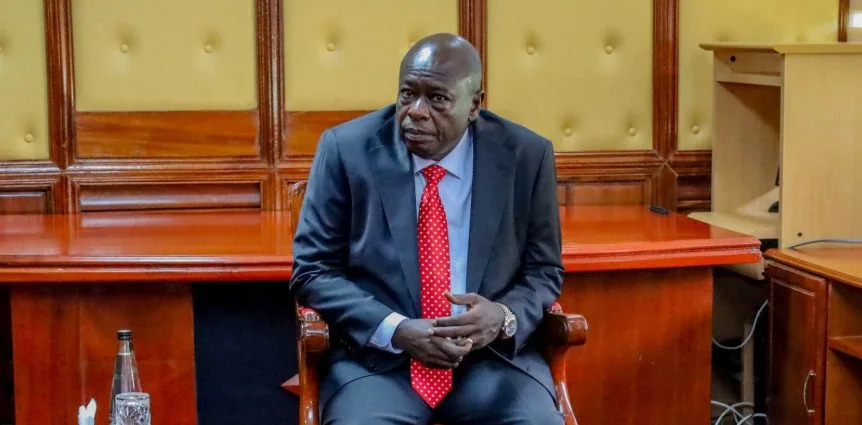
Former Deputy President Rigathi Gachagua Photo/Courtesy
By Eve N Njeri.
The High Court sort of upheld the impeachment of former Deputy President Rigathi Gachagua , but then it gave him Sh50 million compensation after concluding that his constitutional right to a fair hearing was not respected during the Senate portion of the matter, you could say.
The ruling was delivered by a three-judge team that included Justices Eric Ogola, Anthony Mrima and Frida Mugambi .
In their view, the judges did not go along with Gachagua’s bid to wipe out the impeachment, saying that undoing it almost 20 months after it ended would spark major constitutional uncertainty, especially now that Kithure Kindiki has already taken office in a lawful manner.
“The court finds that setting aside the impeachment at this stage would occasion a constitutional crisis given the subsequent appointment and assumption of office by the current Deputy President,” the bench said, basically.
The same bench also rejected the argument that the impeachment had been tainted by partisan leanings or that the public did not participate enough, stating that impeachment events are, in a way both political and constitutional, intertwined.
Still, the court held that Gachagua’s rights were compromised when the Senate declined to grant him an adjournment even though he was hospitalised during a critical point in the hearing.
“The refusal to accommodate the petitioner while he was indisposed amounted to a violation of his right to a fair hearing,” the court ruled.
Because of that, the judges ordered the Senate to pay Gachagua Sh50 million in damages. They said the money was meant to put back a sense of worth dignity and also to strengthen accountability in parliamentary processes
The court stressed that even though the procedural wrong was serious, it was not enough to scrap the entire impeachment exercise.
“The breach of constitutional rights, though significant, does not in itself warrant the nullification of the impeachment proceedings,” the judges explained.
They also affirmed that the nomination , vetting and gazettement of Deputy President Kithure Kindiki were handled in step with constitutional and legal requirements.
Legal analysts have been calling the ruling a landmark step, saying it clarifies how constitutional rights should sit beside the finality of completed impeachment processes. In particular, the decision suggests that courts can keep an impeachment intact while at the same time ordering a remedy for failure in due process.
Other commentators have added that the case might shape future leadership fights by reinforcing the idea that constitutional rights ought to be guarded even while politics is unfolding.
Gachagua’s legal team is now expected to pursue a challenge at the Court of Appeal, and they are likely to insist that the infringement on his fair hearing rights should have shifted the court’s ultimate conclusion more than what was done here.
Already, the judgment is being seen as one of the heftiest constitutional pronouncements in recent times, with wide-ranging effects for governance, accountability, and parliamentary oversight across Kenya.
About Author