Government Proposes to Scrap University Scholarships for Fully Funded Student Loans
If approved by Parliament, all eligible university students would receive government-backed loans to cover tuition and upkeep costs instead of the current mix of scholarships and loans.
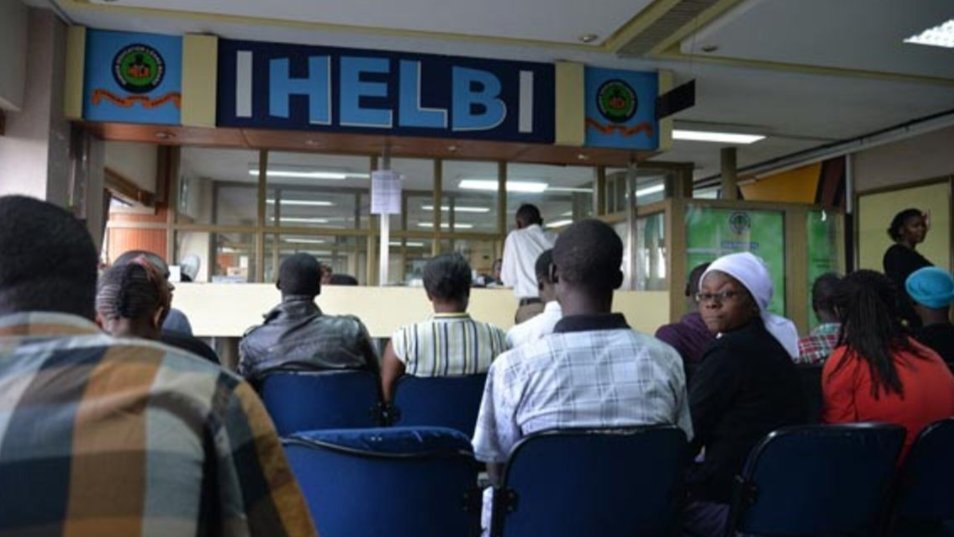
Photo: Courtesy.
By Zuriel Midambo
The government has proposed major reforms to Kenya’s higher education funding model that would see university scholarships scrapped and replaced with fully funded student loans.
The proposal is contained in a new Bill that seeks to overhaul how students finance their university education. If approved by Parliament, all eligible university students would receive government-backed loans to cover tuition and upkeep costs instead of the current mix of scholarships and loans.
According to the Bill, beneficiaries would only begin repaying the loans after securing employment. The draft law further provides that loan repayments would be deducted directly from graduates’ salaries or earnings, with the amount capped at 25 per cent of their income to ensure affordability.
The plan marks a significant shift from the current student-centered funding model introduced in 2023, which categorizes students into bands based on financial need, with vulnerable students receiving up to 100 per cent government scholarship.
The government argues that a fully loan-based model would simplify university funding, improve sustainability and create a revolving fund that can support more students over the long term. Officials say the current scholarship system has been expensive and difficult to sustain, leaving many students with funding shortfalls.
The proposed changes, if enacted, would mean that no university student would receive free government funding. Instead, every student placed in a public or private university would be required to take a loan that will be recovered once they start earning.
The Bill is expected to spark widespread debate among students, parents, universities and education stakeholders. Supporters of the proposal are likely to argue that it guarantees every eligible student access to financing regardless of their background, while promoting responsibility and equity.
However, critics are expected to raise concerns over the long-term debt burden graduates could face after completing their studies, especially at a time when many young people are struggling to secure jobs in a tough economy. Student leaders have previously warned that increasing loan dependency could lock many graduates into years of debt.
Education experts also say the proposal will require strong systems to track graduates, enforce repayments, and protect low-income earners from being overburdened.
The Bill will undergo parliamentary scrutiny, including public participation, where Kenyans will have an opportunity to give their views before lawmakers decide its fate.
If passed, it would represent one of the most significant reforms to Kenya’s university funding framework in recent years, fundamentally changing how higher education is financed and how graduates contribute to the cost of their education.
About Author