‘Cursed Rains’: Garissa and Tana River Residents Endure Perennial Flood Misery
The farmers of Kirinyaga County have expressed urgent concern about livestock theft incidents which resulted in the government ordering local authorities and security personnel to boost their investigation efforts against suspected criminal activities.
By Ruth Sang
The Tana River basin residents of Garissa and Tana River counties spend each rainy season dealing with agricultural damage and displacement problems because rains which bring hope for many Kenyans create destruction in their region.
Floods have turned into a permanent disaster for thousands of riverine families because they destroy homes and farms and refuse to let people continue their schooling while making all local communities vulnerable to health problems.
The community relies on radio and television flood alerts to help them decide when to evacuate their homes before floodwaters start to fill their area.
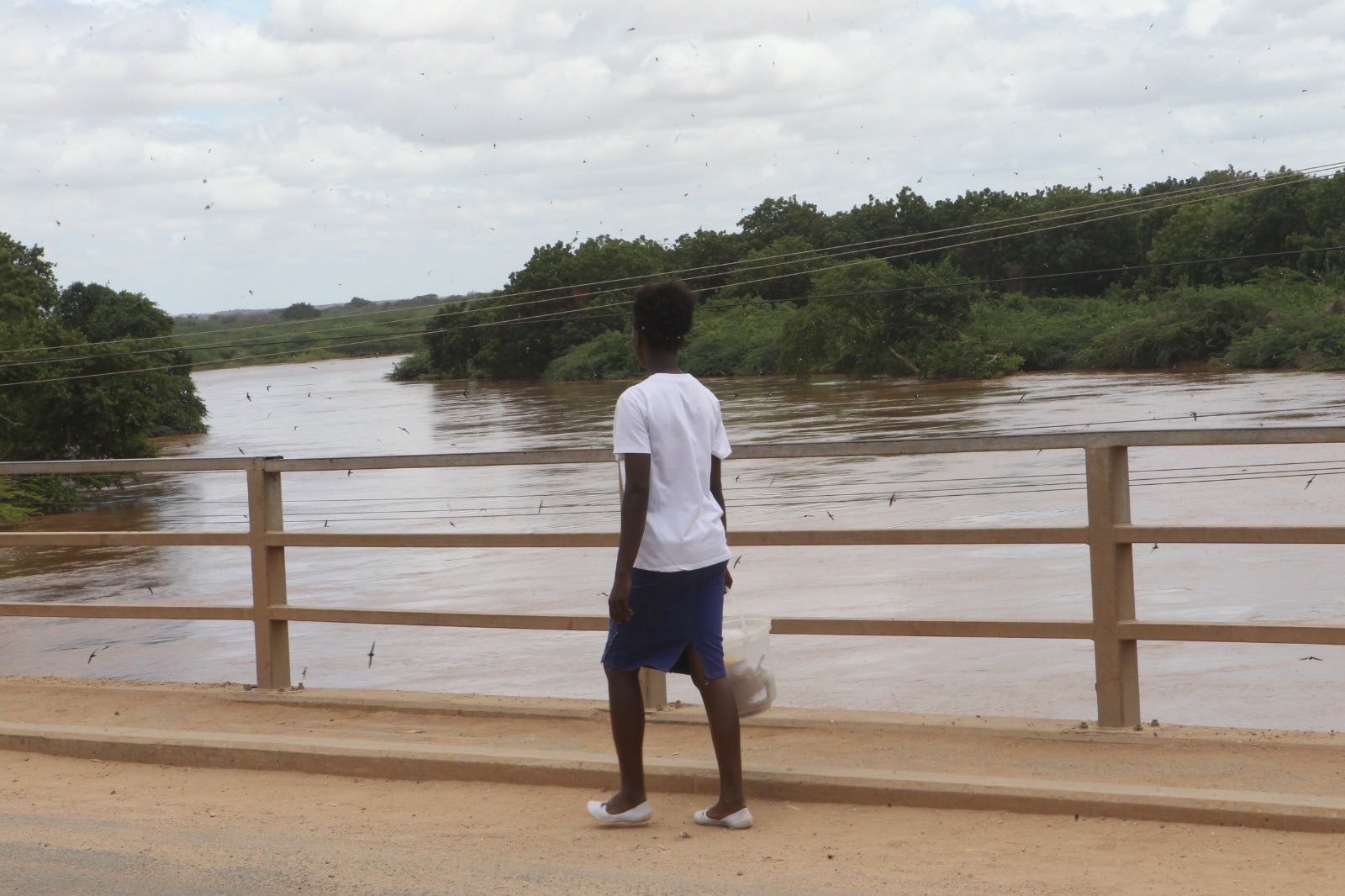
Flooding happens when local rain occurs together with upstream counties producing heavy rain and dams along the Seven Forks hydropower cascade system release controlled water.
The Garissa County Steering Group reports that floods have displaced more than 1000 households in Garissa Township as of May 6 while 60000 residents throughout the county face potential flooding.
The worst-hit areas include Bulla Punda, Bulla Kamor, Bulla Sheikh, Bakuyu, and Ziwani villages, with many displaced residents currently sheltering at the Farmer Training Centre (FTC), Hyuga, and Police Training Centre camps.
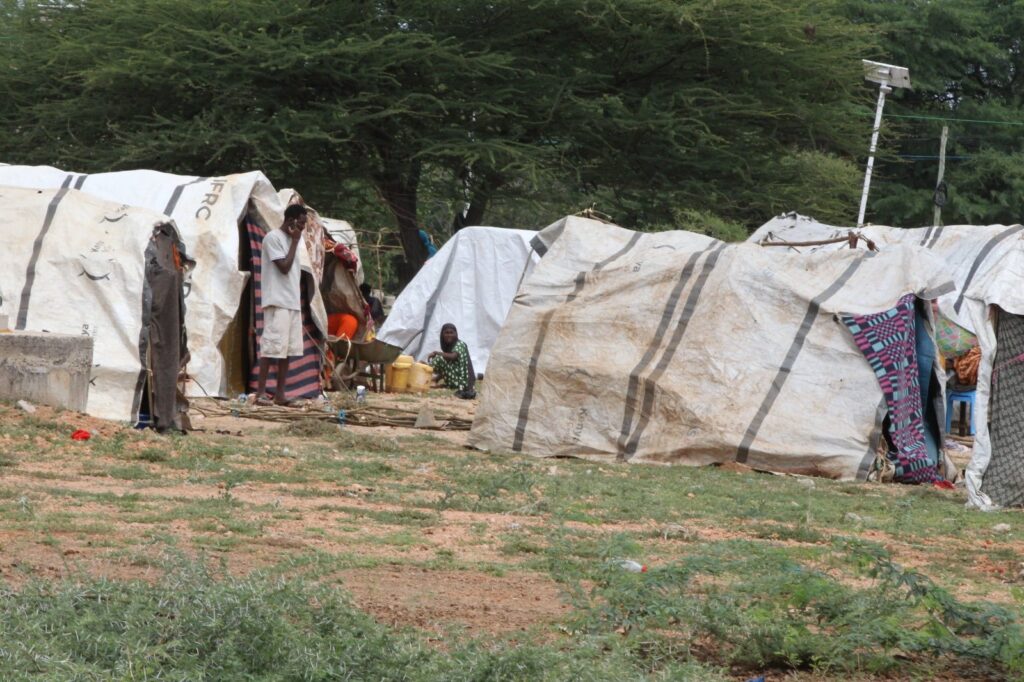
Families at the FTC camp face serious difficulties because they must live in tents which lack enough space for their total number of occupants.
Mzee Issa Malio, a resident of Ziwani village, said his family lost everything after floodwaters swept through their home.
Malio explained that Ziwani village functions as their main agricultural area and charcoal production zone. The floods destroyed our farms together with our belongings which has left us empty-handed.
He described how floodwaters attack at nighttime which forces families to escape without taking any essential items from their homes.
People stay awake to protect their belongings from thieves who enter their homes while they sleep. He said that people who wake up after midnight will see all of their belongings vanish.
The camp environment becomes more challenging for Malio because leaking tents create problems while children experience increasing health problems without protective mosquito nets.
“Without mosquito nets we cannot sleep during the night but we do not have any mosquito nets. The children currently suffer from three diseases which include fever and diarrhea and vomiting. We learned about dengue fever outbreaks in our area,” he added.
He asked both the government and donors to provide essential supplies like food and blankets together with mosquito nets and cooking equipment to support the families who need help.
Residents of Ziwani village experience difficulty in relocating to elevated regions because inter-community disputes create security problems according to Malio.
Khadija Swale provided a nearby account of how her family experiences ongoing displacement which stops them from living their everyday life and prevents their kids from going to school.
“Our lives have completely transformed into a system that requires us to constantly move from one space to another. The floods force us to stay in camps until the water recedes which allows us to go back home,” she said.
The schools become flooded which makes it hard for students to study while there are no bathroom facilities available so the situation becomes worse especially for young children according to her statement.
The village headman Abubakar Mohamed Ali said that more than 200 households in his area faced difficulties while residents needed food which became their most important requirement.
“The international community needs to deliver immediate food supplies because we have run out of everything to eat. The government must take action to swiftly deliver assistance to all families affected by the disaster, Ali said.
The Red Cross humanitarian team in Garissa County Daud Ahmed announced that humanitarian organizations currently evaluate the disaster situation to create emergency response plans for the affected area.
The organization plans to distribute essential items together with hygiene products and food to the most vulnerable families who will receive limited food inventory, according to Ahmed.
He reported that rescue teams continued their evacuation work to save people trapped by floodwaters while he warned farmers to stop farming near riverbanks because it puts them in danger.
The Kenya Red Cross continues to conduct evacuation services for areas that face flooding problems. Danger exists for farmers who work within the river line boundaries so we recommend they stop using those areas, he said.
About Author