CSOs in Rift Valley Continue to Strengthen Accountability Under EU-Funded TUNU Project
“It’s not what you do, but what happens when you do what you do,” Sonia Aima
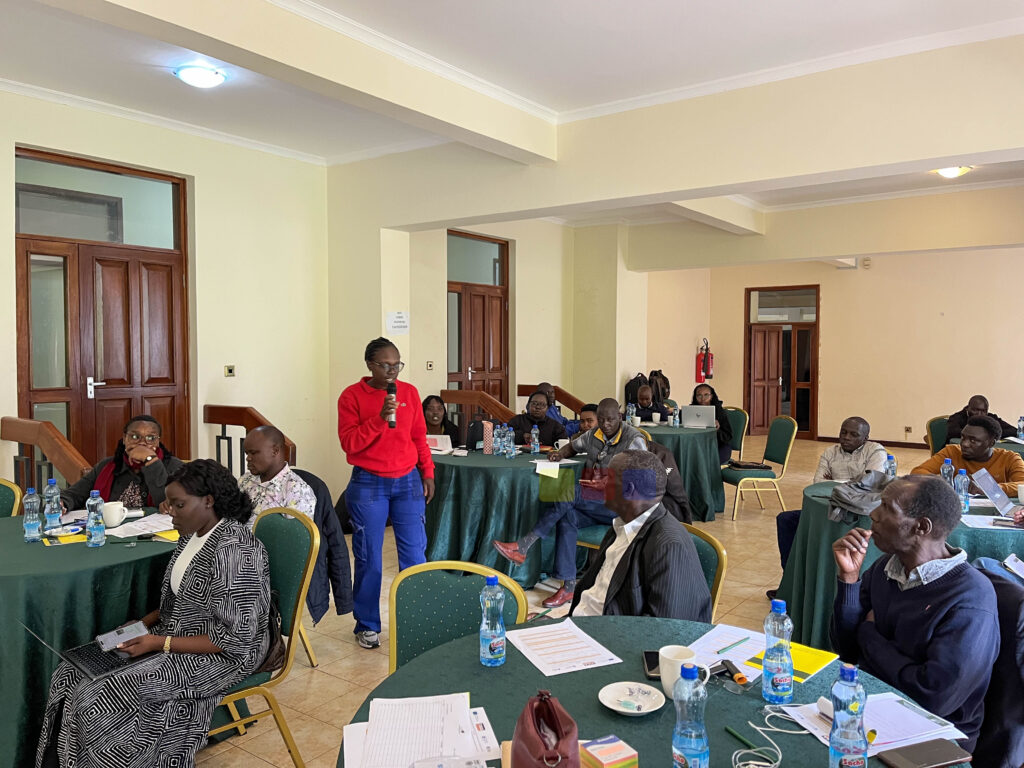
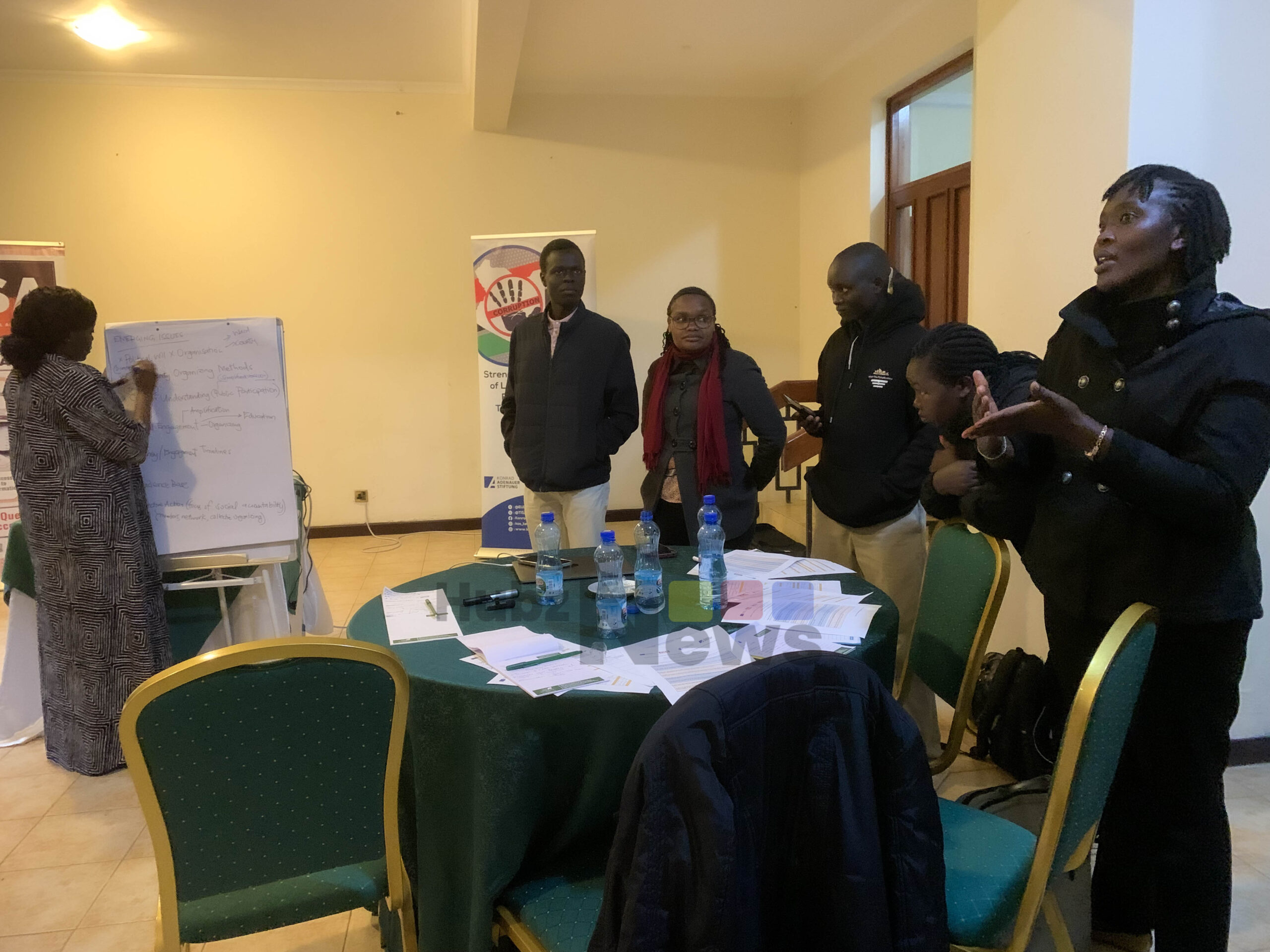
TISA Programs Officer leading the TUNU Program Sonia Aima addresses participants during the CSO workshop in Baringo, urging stakeholders to focus on lasting community impact.
Civil society organizations (CSOs) from Uasin Gishu and Baringo counties have renewed their commitment to strengthening transparency, accountability, and citizen participation under the Tupigane Na Ufisadi (TUNU) project—an anti-corruption and governance initiative funded by the European Union (EU).
The two-day workshop, held in Baringo and convened by the Institute for Social Accountability (TISA) in partnership with Konrad-Adenauer-Stiftung (KAS) and Transparency International Kenya, brought together local CSO leaders, county government representatives, and the media, including the Uasin Gishu Journalists Association (UJA).
According to TISA, the TUNU project seeks to strengthen Kenya’s democratic processes by enhancing civil society’s role in promoting integrity, access to information, and accountability. The initiative operates in 11 counties across four regional clusters, with Uasin Gishu and Baringo forming the Rift Valley cluster.
Speaking during the session, Benedine Kipruto, outgoing chair of the Uasin Gishu Civil Society Network, emphasized the importance of collaboration among local actors.
“This platform gives us a chance to honestly reflect on what has worked, what hasn’t, and how we can move forward as a collective voice for accountability,” said Kipruto. “We’ve seen encouraging collaboration between local CSOs and government offices, especially in demanding transparency around county projects.”
Participants shared success stories, including how CSOs in Uasin Gishu have used citizen forums and media partnerships to push for greater transparency in Financing Locally Led Climate Action (FLLoCA) projects in areas such as Kimumu. These projects focus on climate resilience, agriculture, and community livelihoods, including improved access to water through dam initiatives.
In Baringo County, civil society groups highlighted their success in hosting “budget cafés”—public forums that bring together citizens, county officials, and elected leaders to discuss budget priorities and track implementation.
“Our budget cafés have helped citizens understand how county budgets work and demand that what is agreed upon through public participation is actually implemented,” said Phillip Tomno, chairperson of the Baringo Civil Society Network. “That level of awareness is transforming how residents engage with their leaders.”
Sonia Aima, TISA Programs officer, reminded participants that the impact of their work goes beyond activities and outputs.
“It’s not what you do, but what happens when you do what you do,” Aima reminded participants the goal is to build local ownership in anti-corruption work and Communities must not only understand their rights but also feel empowered to demand integrity in public service,” she said. — a reminder that true accountability is measured by real change in communities, not just by completed projects.
Adding to the discussions, Silah Koskei Terigin, Director of the Governor’s Press in Uasin Gishu County, commended the collaboration between the county and civil society actors.

“These forums have been very insightful and have helped build strong working relations between the county government and the civil society network,” said Koskei.
The European Union, through its governance and democracy programs, continues to support initiatives like TUNU that aim to foster participatory democracy and civic engagement in Kenya.
Founded in 2008, TISA has played a leading role in promoting citizen-led accountability, civic education, and participatory governance across the country. Guided by its mission to promote active citizenship that advances accountability in the management of public resources and empowers communities to shape an equitable and just society, TISA continues to inspire civic participation and strengthen the culture of good governance in Kenya.
The TUNU Project (2023–2027) builds on such findings by equipping CSOs with tools to prevent, detect, and report corruption, and by encouraging collaboration between citizens, the media, and state institutions.
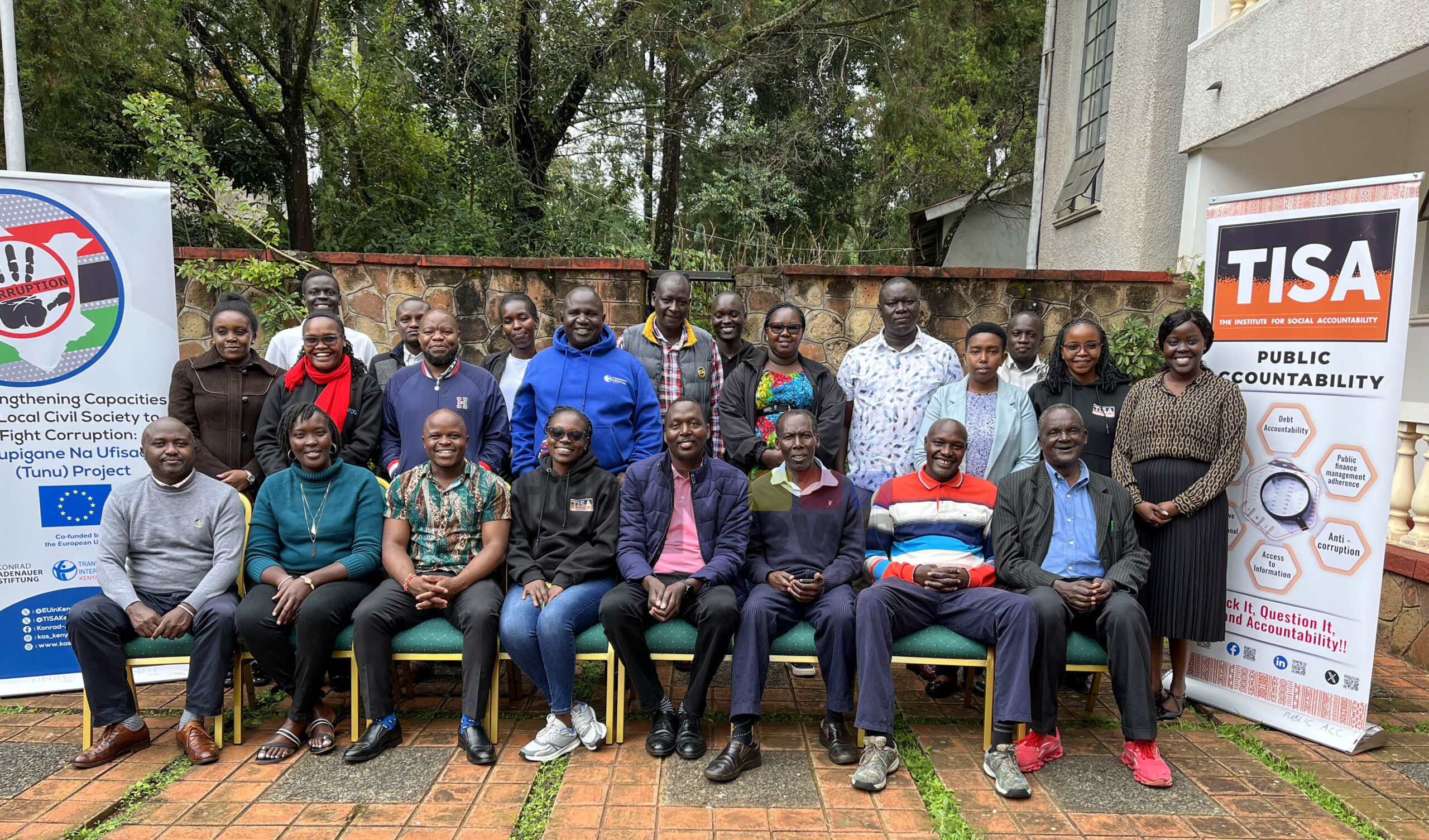
In her closing remarks, Kipruto urged participants to remain steadfast in their mission:
“Our collective voice as citizens must remain stronger than corruption,” she said. “This is not just about projects—it’s about building a culture of accountability that will define Kenya’s future.”
About Author