Conserve wetlands;environmentalists warn!
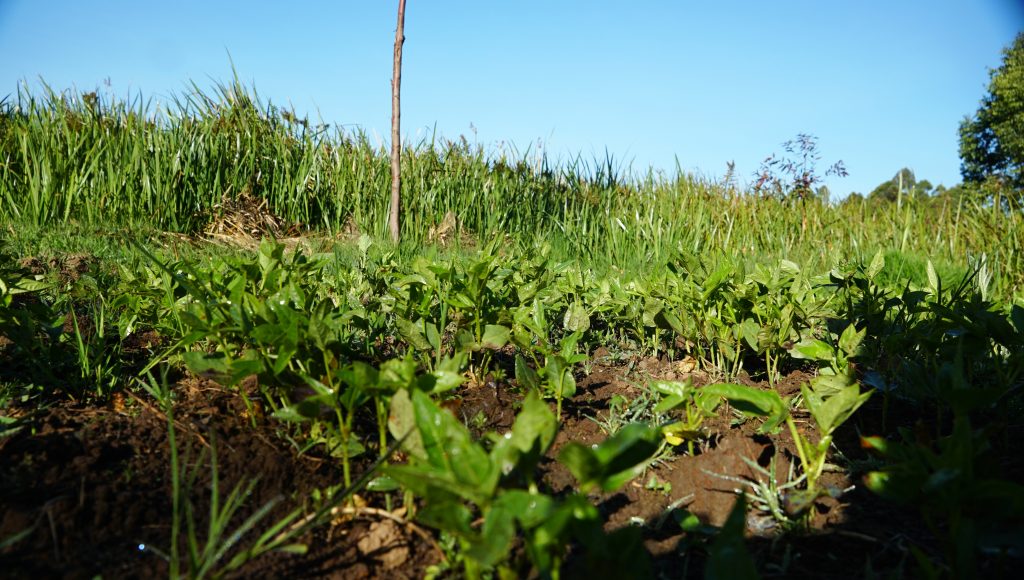
Agricultural Activities in one of the Wetlands within Uasin Gishu County, Most of the Wet lands have been degraded/Photo James Gitaka
By Ayago Lloyd.
The University Of Eldoret in conjunction with other stakeholders from Uasin Gishu County joined the world in celebrating world wetlands day, an event marked on the 2nd day of February which is the same day the Ramsar treaty was signed in 1971 in Iran.
The treaty was meant to conserve wetland ecosystems -The Ramsar Convention on Wetland of International Importance and this year’s theme was It’s Time for Wetlands Restoration.
“World Wetlands day is a global campaign celebrated every year to highlight the values of our wetlands and promote the wise use of our wetland ecosystem and is celebrated each year on 2nd February to raise awareness about wetlands. The day also marks the anniversary of the Ramsar Treaty signed in 1971.” Said Dr. Abraham Serem, The County Executive Member for Environment, Water and Natural Resources at The Uasin Gishu County.
Before the signing of the Ramsar Treaty, many nations were involved in wetland draining hoping for more production instead of their conservation which could have led to more and more production.
“We got here because before 1970, so many wetland ecosystems were being drained the world over.
Some countries like the Netherlands which were being drained by reclaiming the wetlands. This reclamation was geared towards making land more productive because the world did not know wetlands are more productive and they should be conserved.” noted Prof Phillip Raburu, Deputy Vice Chancellor Planning ,Research and extension at the University of Eldoret.
The convention in 1971 made countries join the treaty and one of the requirements was to set aside wetland areas of international importance. Kenya, being a member, designated six sites which include Lake Naivasha.

“After the 1971 convention, several countries signed the convention and Kenya is one of them.To demonstrate you have signed this treaty, each country had to designate wetlands of international importance. In our country Kenya, Lake Naivasha was the first to be designated followed by lakes Nakuru, Bogoria, Elementaita, as well as some swamps in the coast. Kenya has a total of six designated sites. They are designated because they have a lot to conserve in terms of birds which are the backbone to our tourism.” Added Prof Raburu.
The destruction of wetland areas has been propelled by human activities which if not managed properly will lead to destruction of ecosystems thus leading to food insecurity and disasters like flooding downstream.
“Our wetlands are being destroyed because of reclamation, some development projects where we have not done good environmental impact assessment and as such they turn out to be disasters. It is important to look at the things causing degradation. Agriculture must be practiced considerably without destroying the wetlands.” Remarked the university don.
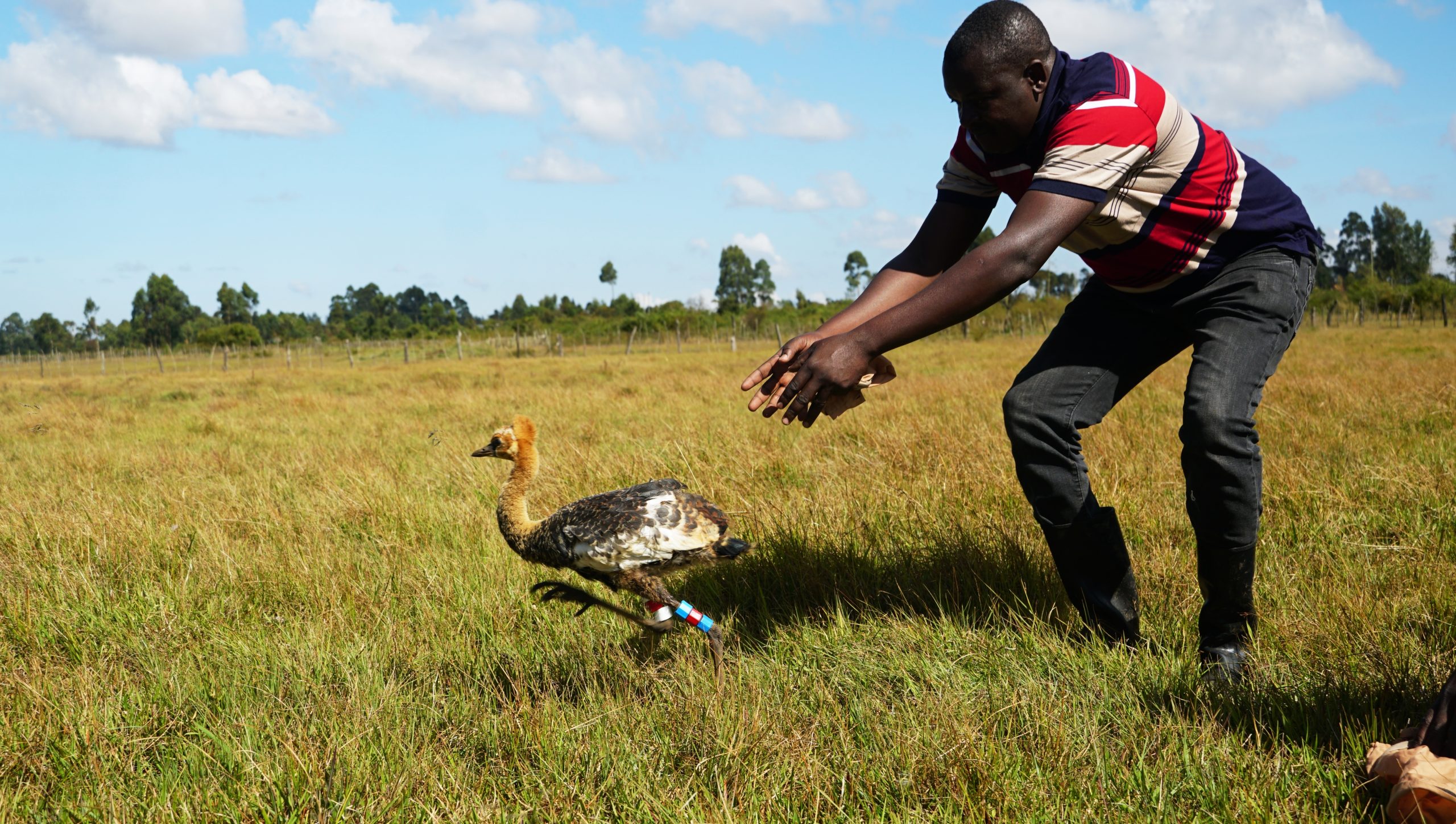
According to the International crane Foundation field officer Vivian Kitui the destruction of the wetlands has negatively affected the population of the Grey crowned crane that breed within the wetlands,
“Wetlands are not waste lands, they help mitigate flooding and water purification, they are an important natural habitat for the African grey crowned cranes that have over the years declined drastically due to the human agricultural activities within the wetlands “Noted Vivian.
Sally Kibos, The Uasin Gishu County Director of NEMA (National management Authority) emphasized for more collaborations between agencies towards the conservation of the environment and particularly the wetlands.
Wetlands are disappearing because of population explosions and with changing climatic conditions people are rushing to the wetlands for farming activities thus resulting in degradation.
About Author