Communications Authority Orders Media Blackout on June 25 Protests
The authority also warned media outlets against broadcasting any footage or commentary related to the protests, threatening regulatory action for non-compliance.
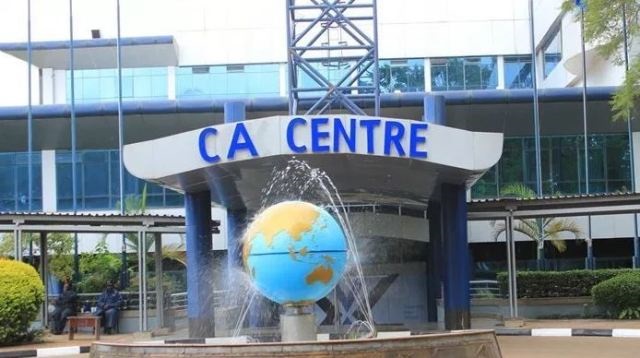
Photo/Courtesy.
By Robert Assad
The Communications Authority of Kenya (CA) has ordered all television and radio stations to immediately cease live coverage of the ongoing June 25 anniversary protests happening across the country.
In a notice issued earlier today, the regulator cited violations of Articles 33(2) and 31(1) of the Constitution, along with Section 461 of the Kenya Information and Communications Act, 1998, as the basis for the directive.
“This is therefore to direct all television and radio stations to stop any live coverage of the demonstrations forthwith,” the CA stated.
The authority also warned media outlets against broadcasting any footage or commentary related to the protests, threatening regulatory action for non-compliance.
The directive comes amid swelling nationwide protests, with thousands of Kenyans taking to the streets in cities such as Nairobi, Mombasa, Kisii, and Eldoret to mark one year since the 2024 anti-Finance Bill demonstrations, many of which ended in police violence and civilian deaths.
Censorship or Control?
The CA’s move has triggered swift backlash from journalists, media freedom advocates, civil society organizations, and the general public. Critics argue that the decision amounts to state censorship and infringes on the public’s right to access information, especially during a moment of significant political importance.
“This is a blatant violation of press freedom,” said a statement from the Kenya Editors Guild. “The media has a constitutional mandate to inform the public, and any attempt to silence it sets a dangerous precedent.”
Online platforms quickly lit up with hashtags like #MediaFreedom and #RightToKnow, as many Kenyans condemned the blackout and questioned the government’s intent behind it.
Mounting Tensions
The media gag comes as the country continues to witness widespread protests demanding accountability, better governance, and police reform. The demonstrations, largely led by the youth and civil society, have drawn international attention.
Media coverage, especially live reporting, has been instrumental in shaping the national dialogue around these protests. With this sudden directive, many fear a return to a more opaque era, where state institutions control the narrative and silence dissent.
The CA’s order arrives on the heels of other controversial moves, including last year’s temporary suspension of Telegram, and increased surveillance concerns raised by rights groups.
As of this afternoon, several major broadcasters had either cut their live feeds or shifted to pre-recorded programming, though no official statement had yet been issued by leading media houses.
The blackout has deepened concerns over freedom of expression, press independence, and the government’s approach to public accountability during critical national moments.
About Author