Beyond the Diagnosis: Breast Cancer Survivors Turn Personal Battles into Awareness Campaign in Western Kenya
Breast cancer survivors in Western Kenya share their treatment journeys as doctors urge early detection and Kisumu expands specialised cancer services.
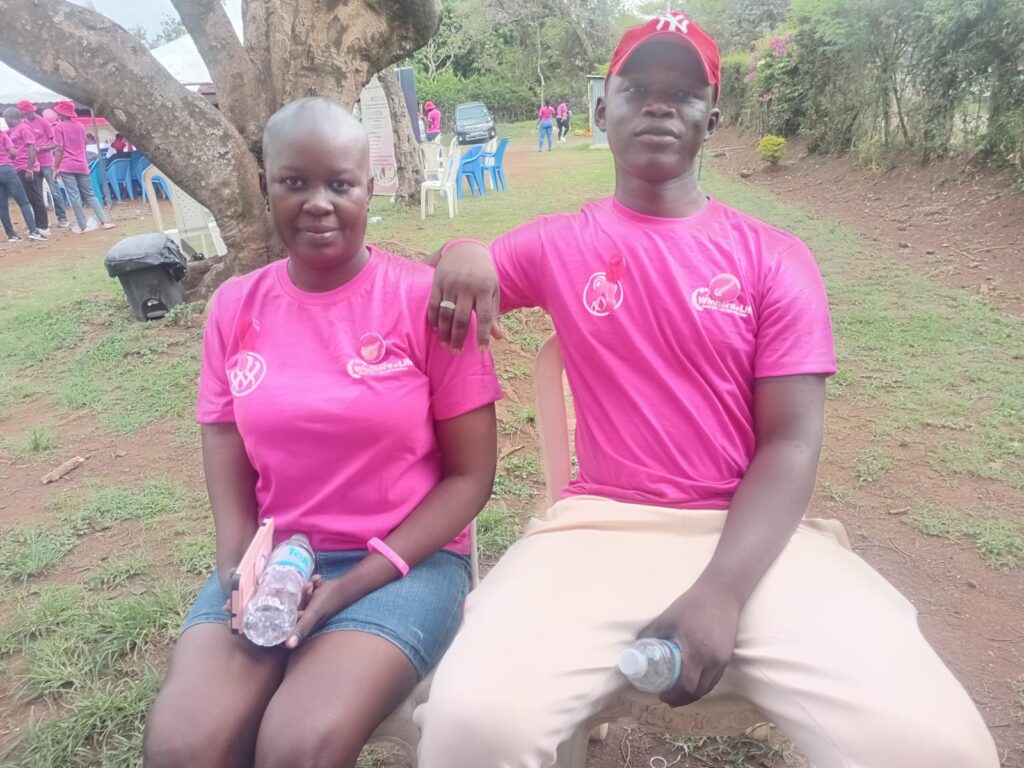
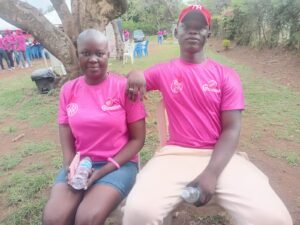
Breast cancer warrior Sharon Awuor poses with her husband at an event in salama cancer center.
By Grace Wafubwa
Breast cancer patients and survivors in Western Kenya are turning their personal experiences into powerful awareness campaigns, urging women to embrace early detection, seek timely medical attention and access emotional support throughout treatment.
Their stories highlight the growing challenges associated with cancer care, including delayed diagnosis, treatment costs, limited access to specialised services and the psychological burden experienced by patients and their families.
In Kisumu, 35-year-old Sharon Awuor is using social media platforms, including TikTok, Facebook, Instagram and Snapchat, to encourage young people to understand breast cancer and seek medical attention whenever they notice unusual changes in their bodies.
Sharon’s journey began on June 15, 2026, when she developed fever, persistent vomiting and extreme body weakness. What initially appeared to be an ordinary illness eventually led to a breast cancer diagnosis.
After seeking medical attention at Russia Hospital in Kisumu, doctors recommended specialised oncology investigations. A subsequent biopsy at Salama Cancer Centre confirmed stage-two breast cancer.
The diagnosis devastated Sharon, who initially struggled to accept the news.
“My world fell apart. The only thing I could see was a casket. I literally felt like I had died,” she recalls.
However, the support of her husband, John Omollo, helped her confront the diagnosis and begin treatment.
Sharon is currently undergoing chemotherapy every three weeks, although the treatment has left her physically exhausted, dehydrated and struggling to eat.
Despite the challenges, she remains hopeful about recovery and is scheduled for surgery as part of her treatment plan.
Beyond her treatment, Sharon is determined to challenge misconceptions surrounding breast cancer, particularly among young people who may wrongly believe the disease only affects older women.
She also holds on to her dream of becoming a mother after completing treatment and recovering.
Breast cancer survivor highlights challenges beyond treatment
For 31-year-old Maryanne, a breast cancer diagnosis in June 2025 brought fears about death and uncertainty about the future.
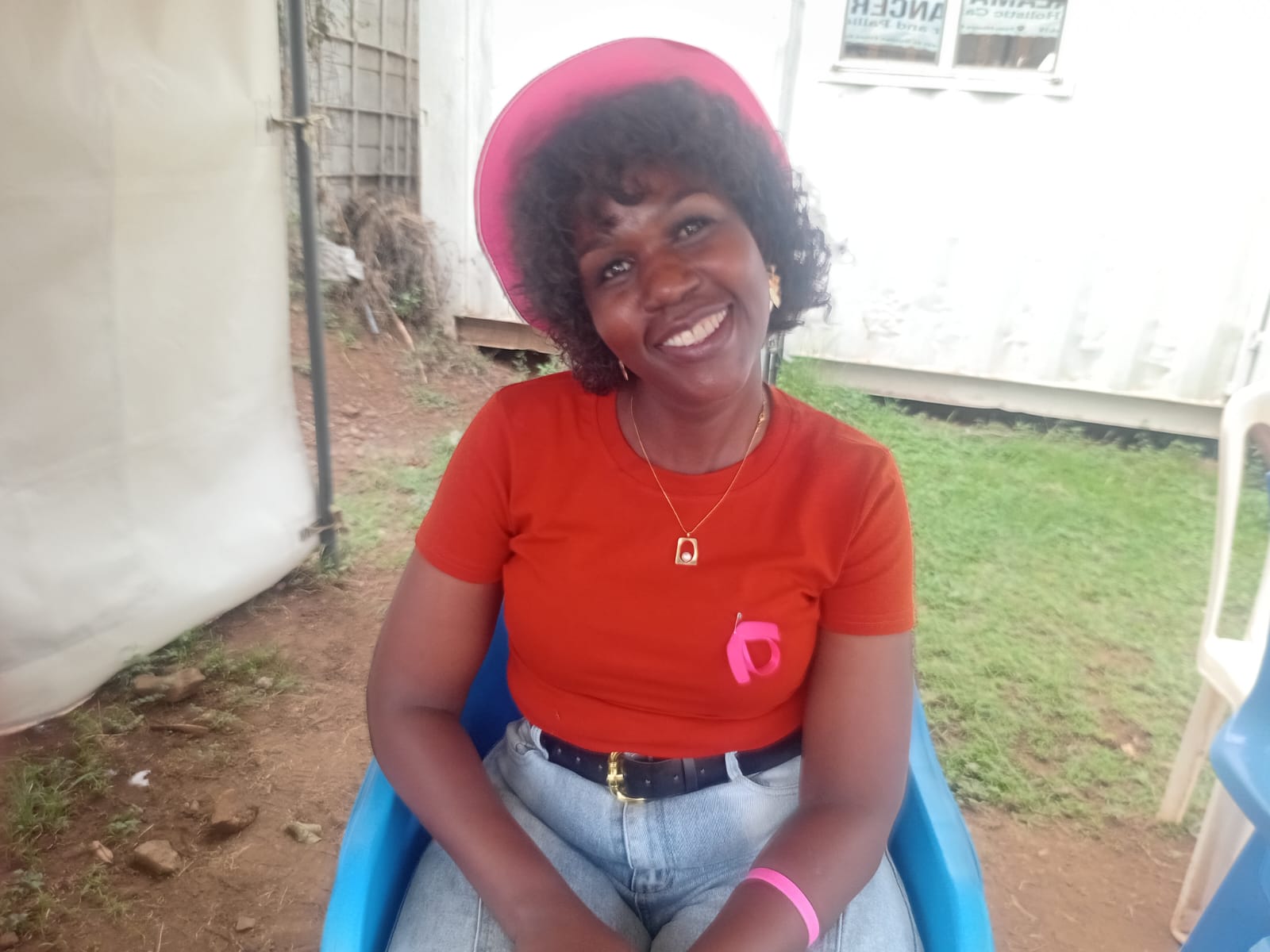
A biopsy confirmed stage 2B breast cancer, prompting her to begin treatment at Salama Cancer Centre in Kisumu.
She completed eight rounds of chemotherapy on December 4, 2025, before undergoing a mastectomy in January 2026. She later travelled to Nairobi for radiotherapy because the specialised treatment was unavailable in Kisumu at the time.
Her first scan in August 2026 brought encouraging results, with doctors reporting that no cancer cells were detected.
However, Maryanne says completing the major stages of treatment does not automatically end the challenges associated with cancer.
She continues with hormonal therapy and follow-up care while navigating the emotional and financial consequences of the disease.
She says patients often face expectations to return to normal life immediately after treatment, yet continue dealing with anxiety, hospital appointments and changes in their physical and emotional wellbeing.
Maryanne is calling for more specialised cancer services outside Nairobi to reduce the financial and logistical burden on patients from Western Kenya.
Mother of four battles breast cancer in Bungoma
In Bungoma County, 42-year-old Lilian Juma is also sharing her experience after years of battling breast cancer.
The mother of four initially sought treatment at Life Care Hospital in Bungoma before being referred to Moi Teaching and Referral Hospital.
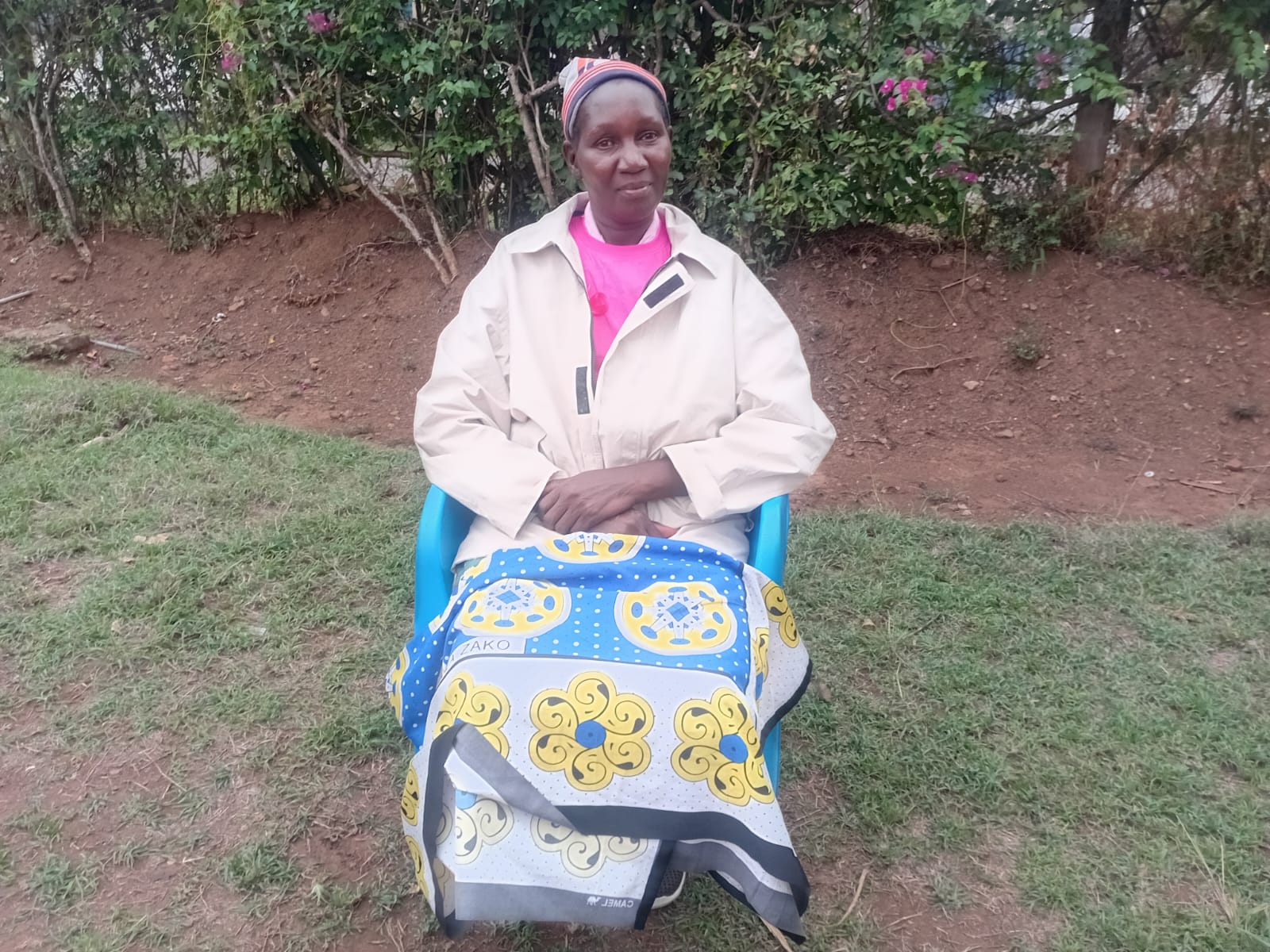
Her search for specialised services eventually led her to Jaramogi Oginga Odinga Teaching and Referral Hospital (JOOTRH) in Kisumu.
Lilian has undergone a mastectomy and continues to receive chemotherapy to suppress any remaining cancer cells and prevent the disease from spreading.
She credits the Social Health Authority (SHA) with easing the financial burden of accessing treatment.
“If it were not for SHA, I don’t know whether I would be breathing today,” she says.
Her family has also played an important role in her recovery, establishing a WhatsApp group to coordinate treatment updates and provide assistance.
Oncologists warn against delayed breast cancer diagnosis
Healthcare professionals are raising concerns over the growing cancer burden in Western Kenya, particularly breast, cervical and prostate cancers.
Dr Lilac Wattanga, a consultant clinical and radiation oncologist at JOOTRH, says many patients from the region seek medical attention when cancer has already advanced.
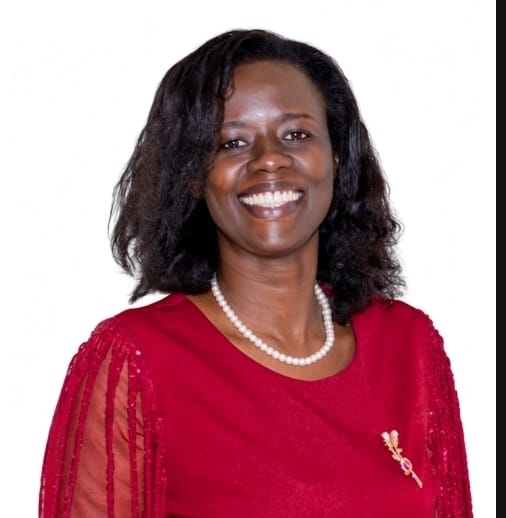
She attributes the situation partly to limited awareness, delayed hospital visits and inadequate access to early screening and diagnosis.
Dr Wattanga is urging women to pay attention to unusual breast changes, including lumps, swelling, changes in breast size or shape, nipple discharge, nipple inversion, persistent pain and dimpling of the breast skin.
She advises anyone experiencing such symptoms to seek professional medical assessment without delay.
The oncologist also cautions against the misconception that breast cancer only affects older women, pointing to the importance of awareness among younger populations.
Kisumu cancer centre records growing demand for services
The increasing demand for cancer care is also being experienced at Salama Cancer Centre in Kisumu.
The facility’s Nursing Director, Helen Okelo, says the centre now attends to approximately 30 patients undergoing chemotherapy every month, compared with one or two patients monthly when it opened in June 2021.
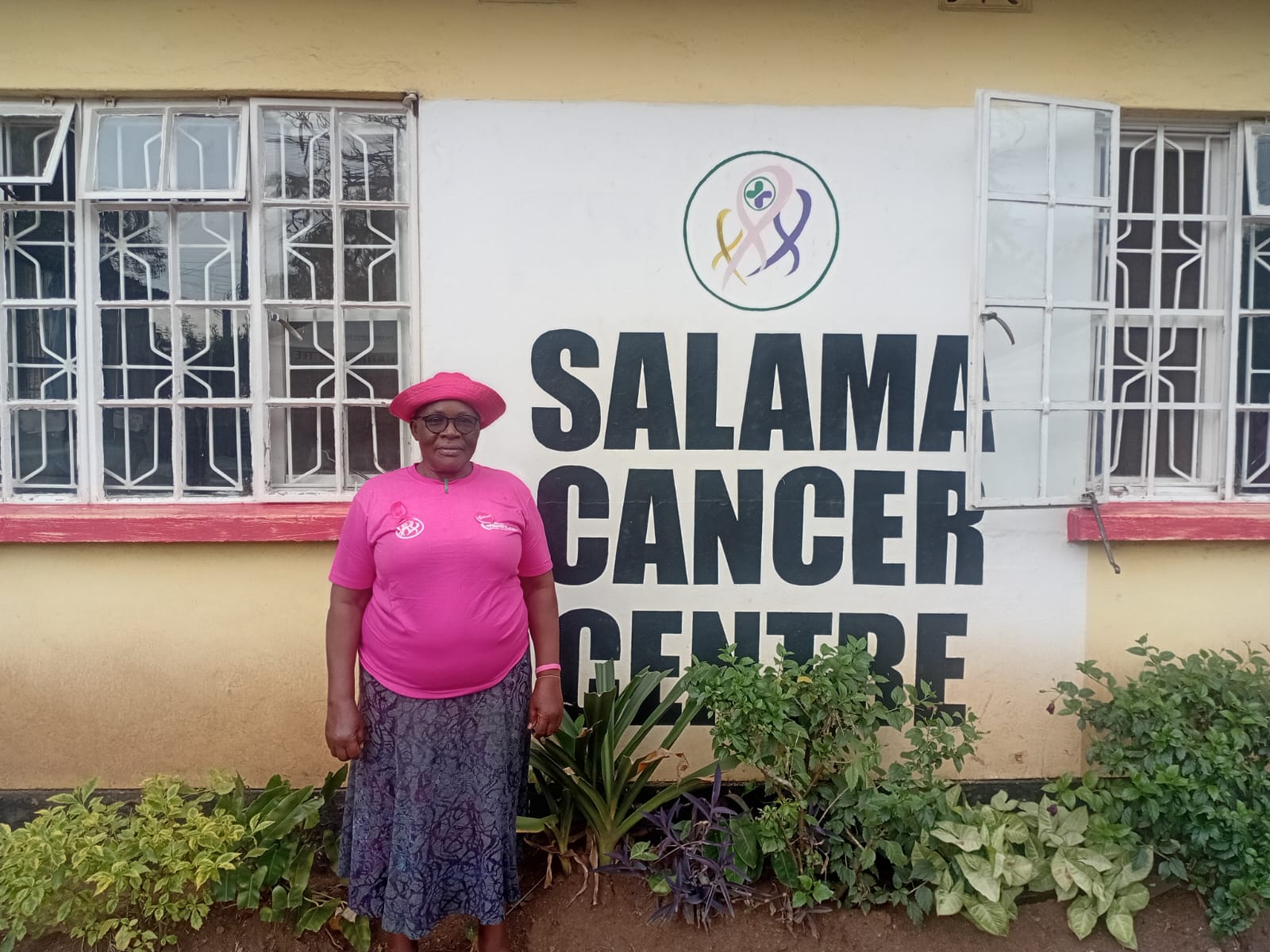
The facility provides biopsies, with results typically available within three to five days, alongside treatment and psychosocial support for patients and caregivers.
Okelo says the centre maintains contact with patients through follow-up calls, treatment reminders and direct communication to help them remain on their treatment plans.
She is also advocating for community-based cancer awareness campaigns involving chiefs, local administrators, community meetings and public markets to encourage early screening and diagnosis.
Psychosocial support remains critical in cancer treatment
Beyond medical intervention, specialists say emotional and psychological support is essential in helping patients navigate cancer treatment.
Elgah Mugalavii, a psychosocial counsellor at Salama Cancer Centre, says counselling begins immediately after diagnosis and continues throughout the treatment journey.
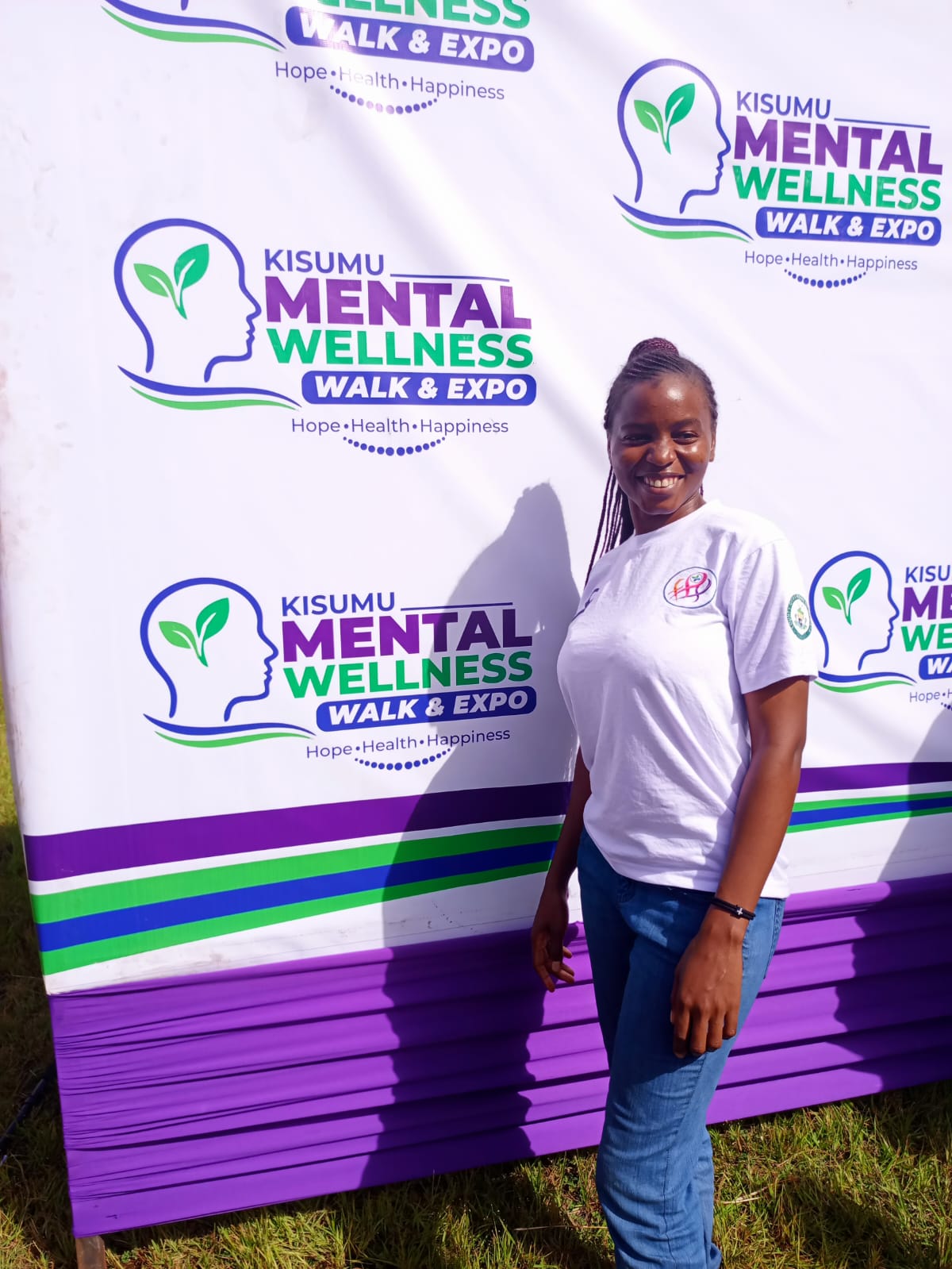
Patients receive support to manage fear, anxiety, uncertainty and concerns about treatment side effects.
She notes that breast cancer can also affect body image, self-esteem, relationships and family dynamics, making continuous emotional support important.
The centre uses telephone calls and WhatsApp groups to maintain communication with patients even after they leave the facility.
JOOTRH plans comprehensive cancer centre for Lake Region
Efforts to improve access to specialised cancer services are also taking shape in Kisumu.
According to the JOOTRH Angaza Cancer Dashboard, Kisumu County recorded 524 breast cancer cases between 2011 and 2025.
In response to the growing demand, JOOTRH is establishing a Comprehensive Cancer Centre within its facility.
Acting Chief Executive Officer Dr Joshua Okise says the proposed centre is expected to offer screening, diagnosis, chemotherapy, radiotherapy, surgical oncology and palliative care.
The facility is expected to serve Kisumu and neighbouring counties across the Lake Region, reducing the need for patients to travel to Nairobi and Eldoret for specialised treatment.
For patients such as Maryanne, who travelled to Nairobi for radiotherapy, and Lilian, whose search for specialised care took her across several hospitals, the planned centre represents an important step towards bringing cancer services closer to home.
Ultimately, healthcare professionals say improving breast cancer outcomes in Western Kenya requires a coordinated approach that combines public awareness, early detection, timely treatment, affordable healthcare and sustained psychosocial support.
About Author