Kipkombot Primary: Regaining Footing, Rekindling Hope: A Story of Resilience in Mosop Constituency
The school’s vision extends beyond its walls. The 1600 trees planted by the alumni not only benefit the school but also act as guardians for one of River Nzoia’s water sources
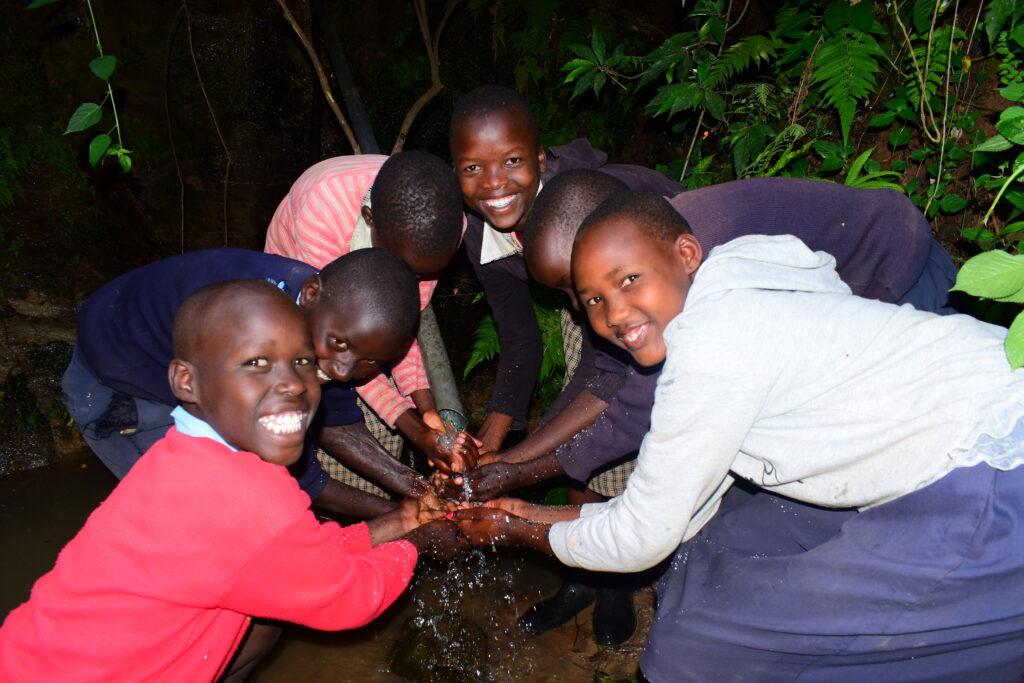
Nurturing minds and nature: Kipkombot Primary School students drink from a source that feeds River Nzoia, while their 1600-tree project safeguards the future/Pic James Gitaka
Deep within the vast lands of Mosop Constituency, Kipkombot Primary School stands as a testament to resilience. Established in 1973, the school’s journey began humbly, nurturing young minds under the shade of a Fig tree in Nandi County. By 1977, buildings rose, but the path forward wasn’t without challenges.
A Story of Struggle and Hope
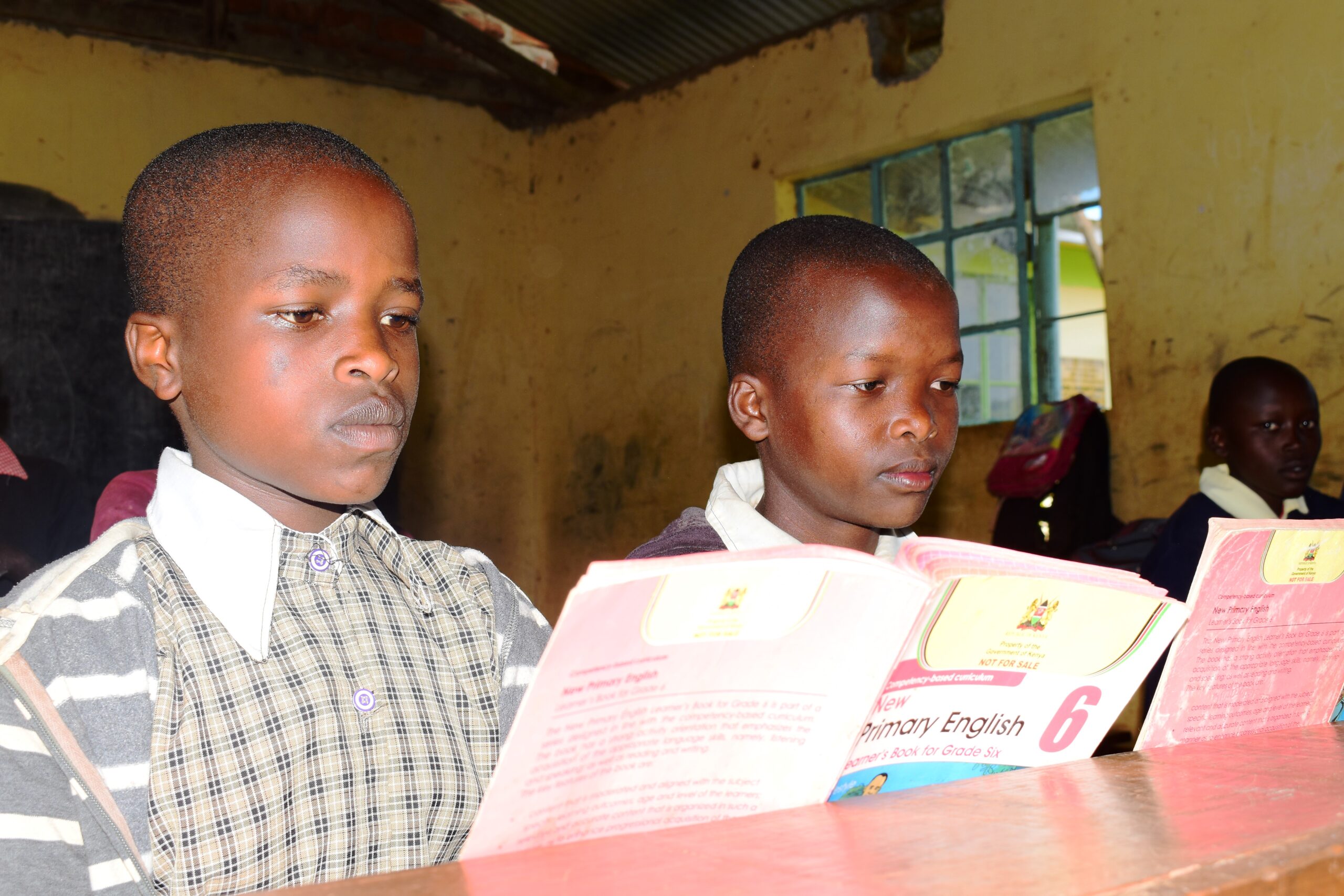
Kipkombot Primary has grappled with a significant decline in student enrollment, numbers dropping from a high of 250 to a mere 100. Through the lens of Anne Sitienei, the school’s deputy headteacher, we witness the need for strategic planning and strong leadership. Julius Keter, a dedicated teacher, echoes these concerns, highlighting the factors that have impacted the school’s overall productivity.
Alumni Take Action: Planting Hope
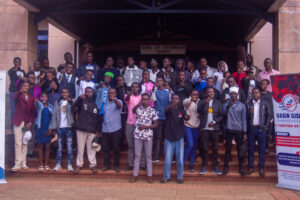
A transformative wave washes over the community with the efforts of Dr. Henry Rotich, a proud alumnus of Kipkombot Primary. Rotich spearheaded a tree-planting initiative, resulting in a staggering 1600 indigenous trees taking root in the region. This not only provides natural fencing for the school but also serves as a crucial conservation measure for one of the River Nzoia’s water sources that also serves as the community’s main water catchment area, located within the school grounds.
From Hardship to Hope
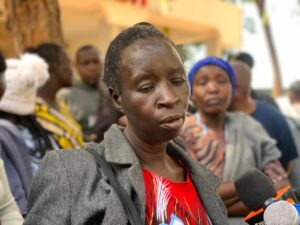
Resident Hellen Bitok paints a vivid picture of the hardships faced by the community due to water scarcity. However, with the implementation of sustainable water initiatives, this challenge seems to be on the path to defeat.
A Call for Collaboration
Looking to the future, a resounding call for collaboration echoes from the school grounds to the surrounding residential areas. Effective partnership between the local government and community officials is crucial for Kipkombot Primary’s vision of development. Together, they can rewrite the school’s narrative, transforming it back into a beacon of education for generations to come.
The school’s vision extends beyond its walls. The 1600 trees planted by the alumni not only benefit the school but also act as guardians for one of River Nzoia’s water sources. Stretching about 257 kilometers, River Nzoia is Kenya’s most extensive river system within the Lake Victoria Basin. It sustains hundreds of livelihoods downstream, traversing seven counties before emptying into Lake Victoria.
By increasing enrollment, the school hopes to attract the support of Non-Governmental Organizations (NGOs) to implement a feeding program. This program would not only retain current students from needy backgrounds but also attract new ones. A larger student body would ensure the continuation of the vital tree-planting project, safeguarding the health of the river and the surrounding communities.
The future of Kipkombot Primary is intricately linked to the well-being of the environment and the community it serves.
About Author