Eldoret Media Hub Partners Applaud MCK Election Training, Demand Stronger Protection for Journalists Ahead of 2027 Polls
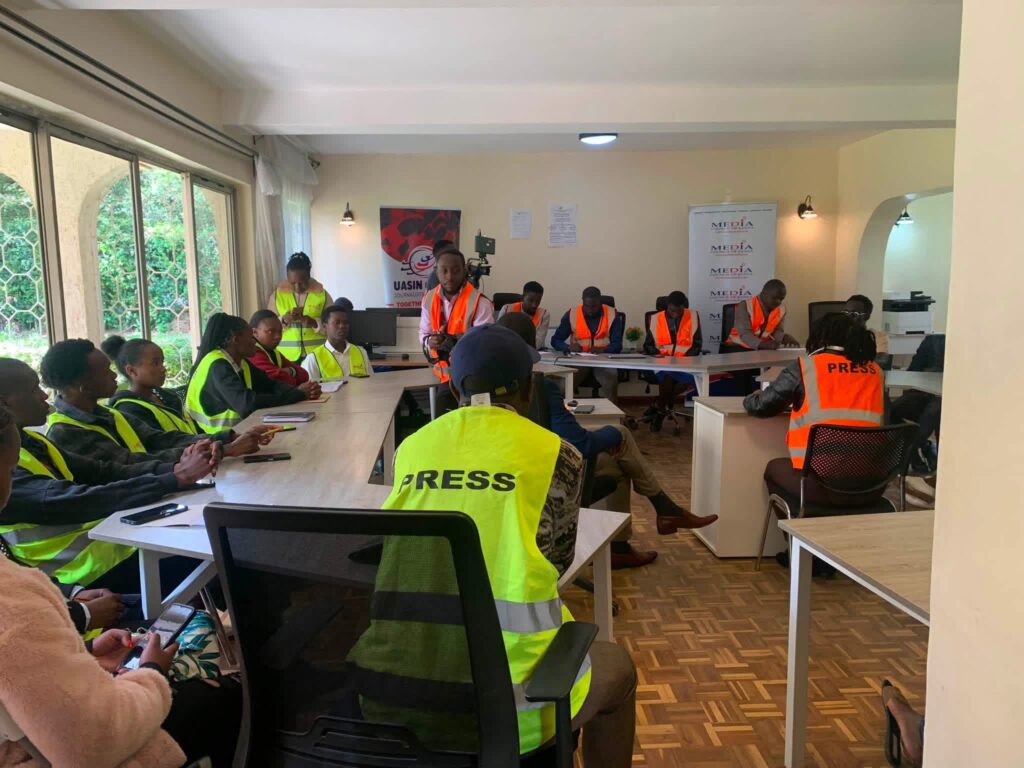
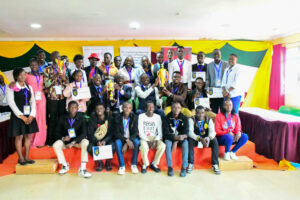
A section of journalists attending a past training and engagement session at the Eldoret Media Hub, as part of ongoing efforts to strengthen professional journalism, capacity building and collaboration among media practitioners in the North Rift region.
By George Misati
Media stakeholders in Uasin Gishu County have applauded the Media Council of Kenya (MCK) for rolling out nationwide election-preparedness training for journalists ahead of the August 2027 General Election, saying the initiative will strengthen professionalism, accuracy and responsible reporting during the electoral period.
However, the stakeholders have challenged the government to establish comprehensive protective measures to safeguard journalists covering political campaigns, demonstrations and other potentially volatile assignments, warning that inadequate security could undermine press freedom and the public’s right to information.
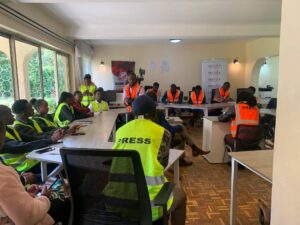
Speaking at the Eldoret Media Hub after MCK Director of Media Training and Development Victor Bwire led an election-preparedness training programme that reached more than 200 journalists through various press clubs, journalists’ associations and media hubs, partners of the facility commended the Council for taking an early and proactive approach to preparing media practitioners.
The training forms part of MCK’s nationwide initiative to equip journalists with the professional and practical skills required to cover the 2027 General Election.
The programme addresses critical areas of election reporting, including accuracy, impartiality, fairness, balance, fact-checking, misinformation and disinformation, hate speech, incitement, digital security and conflict-sensitive journalism.
MCK has indicated that its broader national programme targets more than 4,000 media practitioners ahead of the 2027 polls.
Bwire has previously emphasised that election preparedness must begin long before political campaigns intensify, noting that journalists need continuous professional development to navigate an increasingly complex information environment.
During a September 2026 engagement with media trainers at Daystar University, he observed: “The whole thing is called a cycle because it is continuous. When one ends, you start preparing for the next.”
He further stressed that technological changes should not compromise journalism’s fundamental principles.
The Council has also embraced online training and digital engagement to extend election-preparedness information beyond physical workshops, enabling journalists in different locations to access professional guidance and participate in capacity-building initiatives.
Bwire’s training approach comes against the backdrop of MCK’s projection that approximately six out of every 10 journalists expected to cover the 2027 General Election will be doing so for the first time.
The projection highlights the importance of early training, mentorship and continuous professional development, particularly for journalists who have not previously experienced the demands of nationwide election coverage.
Human rights defenders, clergy demand journalist protection
Despite applauding MCK’s efforts, Eldoret Media Hub partners, led by clergy and human rights defenders, called on the government to establish elaborate protection mechanisms for journalists before, during and after the 2027 elections.
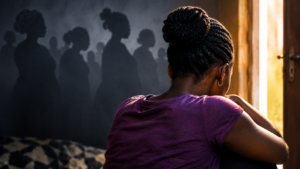
They warned that election-related political tensions, confrontations and demonstrations could expose media practitioners to physical attacks, intimidation, arbitrary arrests and destruction of professional equipment.
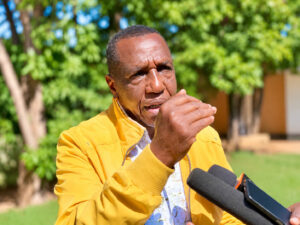
Human rights defender Kimutai Kirui said journalists must be protected as they undertake their constitutional responsibility of informing the public and holding those in authority accountable.
He emphasised the need for government institutions and security agencies to respect journalists’ work and ensure that media practitioners can operate without intimidation or interference.
Fellow human rights defender Juma Akumu called for stronger collaboration between the government, media organisations, civil society and security agencies to address threats against journalists.
He stressed that journalist safety should not be treated as an election-period concern alone but as a continuous responsibility requiring clear policies, effective response mechanisms and accountability for violations.
Religious leader Abubakar Bini also called on the government to guarantee the safety of journalists, warning that an environment characterised by threats and violence could discourage reporters from covering sensitive public-interest issues.
He emphasised the important role of the media in promoting peaceful coexistence, accountability and informed public participation, particularly during politically sensitive periods.
The partners proposed comprehensive safety interventions, including hostile-environment training, emergency response preparedness, access to protective equipment, medical and psychosocial support, digital security and effective mechanisms for reporting and investigating attacks against journalists.
2024 protests expose risks facing journalists
Their concerns are informed by experiences during the 2024 anti-government demonstrations, when journalists covering protests in different parts of the country were subjected to physical assaults, arrests, teargas exposure and other forms of intimidation.
According to the Media Council of Kenya’s State of Press Freedom in Kenya report covering November 2023 to October 2024, the Council documented 130 verified press freedom violations during the reporting period.
The incidents included physical assaults, threats, harassment, arrests and other forms of interference with journalists’ work.
The report identified police officers as the leading alleged perpetrators, accounting for 29 per cent of the documented violations, while groups described as goons accounted for 20 per cent.
Among the incidents documented was the shooting of Kameme TV journalist Catherine Wanjeri Kariuki, who sustained three gunshot wounds while covering anti-government demonstrations in Nakuru on July 16, 2024.
The incidents triggered condemnation from local and international media organisations and prompted journalists to demonstrate in Nairobi, demanding an end to attacks against media practitioners.
The stakeholders warned that unless effective safeguards are established, similar incidents could undermine independent reporting during the 2027 electoral cycle.
MCK election guidelines set professional standards
The training programme follows MCK’s launch of the Guidelines for Election Coverage 2027 and its 2026–2030 Strategic Plan in Nakuru on August 14, 2026.
The guidelines provide a framework for responsible media coverage throughout the electoral cycle, including voter registration, political party nominations, campaigns, polling, vote tallying, declaration of results and post-election disputes.
They emphasise accuracy, fairness, impartiality, balance, verification and public-interest journalism while cautioning against hate speech, incitement and the dissemination of misinformation and disinformation.
As Kenya approaches the 2027 General Election, Eldoret Media Hub partners say the success of election-preparedness initiatives must go hand in hand with concrete guarantees for the safety and independence of journalists.
They maintain that while journalists have a professional responsibility to report accurately and impartially, the government has an obligation to create an environment in which they can perform their duties without fear of violence, intimidation or retaliation.
The stakeholders said protecting journalists is fundamental to safeguarding media freedom, strengthening democratic accountability and ensuring that Kenyans receive credible information throughout the electoral process.
About Author