PARENTS WARNED OF SOCIAL MEDIA AND CHILD SAFETY RISKS DURING HOLIDAY
The ceremony featured pupils in blue sweaters and checked uniforms performing on a red carpet, while graduands donned black and red gowns.
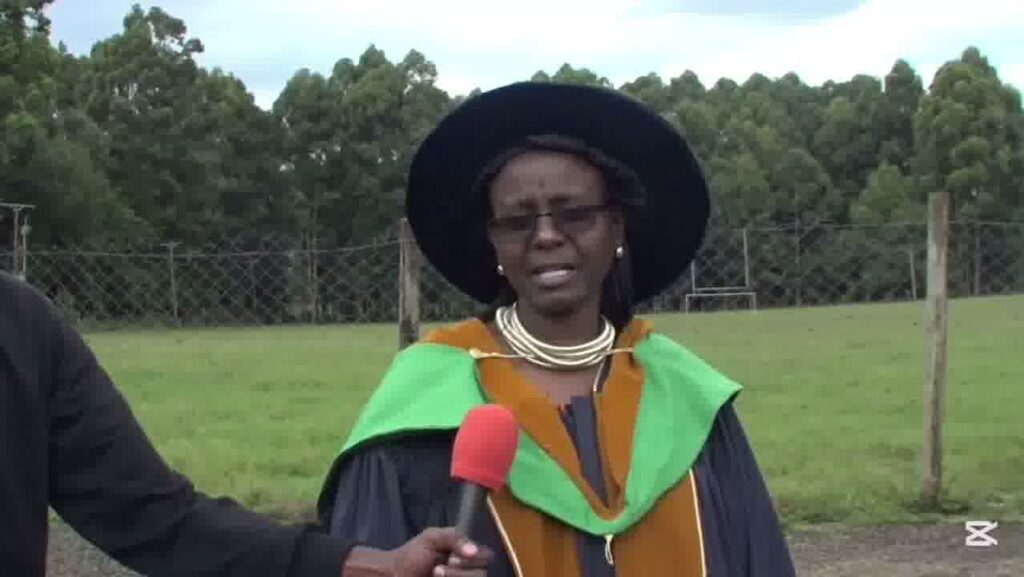
Education experts have urged parents and guardians to take a more active role in their children’s upbringing, warning of the risks associated with unsupervised social media use and other online content. Photo: Hubz Media
By George Misati
As learners begin a nearly two-and-a-half-month school holiday, education experts have urged parents and guardians to take a more active role in their children’s upbringing, warning of the risks associated with unsupervised social media use and other online content.
The call was made during a colourful graduation ceremony for PP2 learners at St. Michael’s Academy in Nandi County, attended by hundreds of parents, teachers and pupils who gathered to celebrate the young graduates.
The ceremony featured pupils in blue sweaters and checked uniforms performing on a red carpet, while graduands donned black and red gowns. Graduation portraits were displayed across the school field, and pupils also participated in a tree-planting exercise as part of the institution’s efforts to instil positive values.
Speaking during the event, education experts cautioned that children’s exposure to online content, including material that could negatively influence their morals and mindset, requires close parental supervision, particularly during the long school break.
Prof. Jacqueline Korir, an associate professor at Moi University’s School of Tourism and Hospitality Management, said parents should establish routines at home to keep children disciplined and productive even when they are not attending school.
“Even if they are going nowhere, let them wake up early, make their beds and tidy their rooms,” Prof. Korir said.
She added that older children should be encouraged to take on more responsibilities at home, including washing their clothes, doing the dishes and learning how to cook. Such activities, she noted, can help develop practical skills and prepare them for future careers.
Prof. Korir also warned against excessive screen time, saying prolonged exposure to television, smartphones and fictional content could limit children’s opportunities to develop practical skills and positive thinking.
“Technology is also something we have to take care of. Children should not be exposed to technology, television and fictional content all the time,” she said.
On child protection, Prof. Korir urged parents to remain vigilant about the people entrusted with their children’s care, including relatives, warning that abuse can go unreported for years.
“Studies have shown that many children are molested by relatives and keep quiet. It may take many years before you discover that your child has been going through molestation at the hands of your own relative. Parents should therefore take charge of their children and raise them at home. Be in charge of your child,” she emphasised.
She further encouraged parents to set clear boundaries on smartphone use, ensuring that children access their devices for reasonable periods and use them constructively.
“Is it possible for you to tell your child to use the phone for two hours and then return it to you? If you are going to leave them with a phone, can it be used constructively?” she posed.
Prof. Korir also urged parents to take advantage of holiday programmes organised by schools, churches and other institutions to keep children engaged in meaningful activities.
She noted that such programmes, whether academic or extracurricular, could help learners develop their talents, strengthen their values and interact positively with their peers. Church-based activities, including Bible study sessions, were among the options she recommended.
Dr. Brenda Uluma, a lecturer at Moi University’s School of Tourism and Hospitality Management, echoed the call for greater parental involvement, noting that children need close guidance and support during holidays when they are no longer following their regular school timetables.
The experts emphasised that although the government has a role to play in protecting children online, parents and guardians must also take responsibility by monitoring screen time, setting appropriate boundaries and ensuring children access age-appropriate content.
They further urged families to maintain open communication, provide safe environments and involve children in household chores to promote responsibility and discipline.
Parents were also encouraged to know their children’s friends, monitor their activities and remain alert to warning signs of risky behaviour, including drug and substance abuse.
As the long holiday gets underway, the experts urged parents to enrol their children in constructive programmes organised by schools, churches and community groups, rather than allowing them to spend excessive time on smartphones and television.
They said active parental involvement, consistent guidance and meaningful engagement would be essential in ensuring that learners remain safe, disciplined and productive throughout the break.
About Author