Sebastian Coe Backs Kenya’s Readiness for Historic 2029 World Athletics Championships
President William Ruto has assured World Athletics that the government will fulfil its commitments, including additional upgrades required before the 2029 championships.
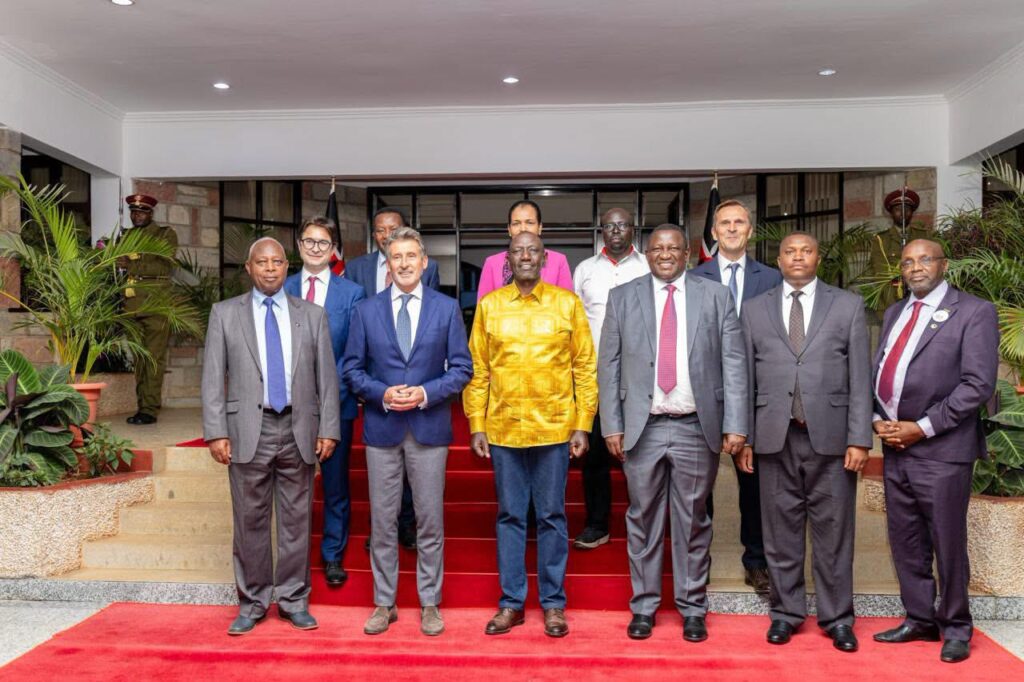
President William Ruto meets World Athletics President Lord Sebastian Coe at State Lodge, Eldoret, Uasin Gishu County, reaffirming the Government’s commitment to supporting Kenya’s successful hosting of the 2029 World Athletics Championships in Nairobi. The President pledged to mobilise the necessary resources, with Kasarani Stadium set for further upgrades following preparations for AFCON 2027.
By James Gitaka | HubzMedia Sports Desk
World Athletics President Sebastian Coe has expressed confidence in Kenya’s ability to host the 2029 World Athletics Championships, as the country begins preparations for the landmark competition that will bring the global track and field showpiece to Africa for the first time.
Coe, who visited Kenya on October 14, 2026, to engage with the country’s leadership and assess preparations, said Nairobi had earned the hosting rights through a competitive bidding process that considered the strength, ambition and commitments of the competing proposals.
His visit comes less than a month after World Athletics selected Nairobi to stage the championships in September 2029, marking a major milestone for Kenya and African athletics.
The championships will be staged at the Moi International Sports Centre, Kasarani, with the government expected to deliver the necessary infrastructure, operational arrangements and logistical support to meet international standards.
Coe’s confidence comes as preparations move from the successful bid to the more demanding task of delivering a world-class event.
Kasarani upgrades at the centre of preparations
The government has identified Kasarani as the principal competition venue, with major refurbishment works already under way ahead of the 2027 Africa Cup of Nations, which Kenya will co-host with Uganda and Tanzania.
President William Ruto has assured World Athletics that the government will fulfil its commitments, including additional upgrades required before the 2029 championships. Speaking after meeting Coe in Eldoret on October 14, Ruto reiterated the government’s determination to deliver a successful event.
Preparations also involve assessing supporting facilities. In early October, World Athletics Director of Competition Management Pierce O’Callaghan visited Kasarani, Nyayo National Stadium and Ulinzi Sports Complex to review facilities and provide guidance on infrastructure requirements.
Nyayo and Ulinzi have been identified among the facilities being considered for supporting functions, including training. The inspections are intended to help Kenyan officials align ongoing and planned improvements with the technical requirements of the global competition
Beyond stadium renovations, successful delivery will depend on effective coordination among the national government, Athletics Kenya, World Athletics and other partners. Transport, accommodation, security, medical services, broadcasting facilities and event operations will all be important to hosting athletes, officials, journalists and spectators from around the world.
Kenya’s athletics heritage strengthens its bid
Kenya’s selection reflects its standing as one of the world’s leading athletics nations and its growing experience in hosting international competitions.
Nairobi previously hosted the World Athletics Under-18 Championships in 2017 and the World Athletics Under-20 Championships in 2021. The city also hosts the annual Kip Keino Classic, which has helped strengthen Kenya’s capacity to organise elite international track and field competitions.
Kenya’s record on the track further strengthens the significance of the 2029 event. At the 2025 World Athletics Championships in Tokyo, the country won seven gold medals and 11 medals overall, finishing second on the medal table, according to World Athletics.
Hosting the senior championships will therefore provide an opportunity to showcase the country’s athletics talent, deepen its global sporting profile and expose a new generation of athletes and fans to competition at the highest level.
The event is also expected to create opportunities for tourism, hospitality, employment and investment. However, the extent of those benefits will depend on effective planning, transparent expenditure and the ability to ensure that public investment delivers lasting value beyond the championships.
Anti-doping remains a critical test
While infrastructure and event logistics remain central to preparations, Kenya’s efforts to combat doping will also be under international scrutiny.
In comments reported by Reuters on October 14, Coe acknowledged progress in Kenya’s anti-doping efforts, including increased government funding and the work of the Athletics Integrity Unit, established in 2017. He also stressed that doping cannot be eliminated entirely and that continued vigilance remains necessary.
More than 140 Kenyan athletes have been sanctioned since the unit’s establishment, Reuters reported, underscoring the scale of the challenge facing the sport.
For Kenya, the championships will provide an opportunity not only to demonstrate organisational capacity but also to reinforce confidence in the integrity of its athletes and competition systems. Sustained investment in testing, education, prevention and independent enforcement will remain essential.
From hosting rights to delivery
Nairobi’s selection is a historic achievement, but the success of the 2029 championships will ultimately be judged by the quality of the event delivered.
The coming years will require measurable progress on stadium upgrades, supporting facilities, funding, governance and operational planning. Regular technical assessments and clear accountability will be important in ensuring that commitments made during the bidding process translate into completed work.
For a country whose international identity is closely associated with distance running and Olympic success, hosting the World Athletics Championships represents both an opportunity and a responsibility.
With Coe expressing confidence in Kenya’s bid and the government pledging its support, attention now shifts to the execution of the plans required to bring the global athletics community to Nairobi in September 2029.
The challenge is clear: Kenya must turn its rich athletics heritage and successful bid into a championship that meets international expectations and leaves a lasting legacy for the sport in Africa.
Edited by James Gitaka, Chief Editor, HubzMedia.
About Author