Kenya Steps Up Public Health Preparedness
Heavy rains associated with El Niño conditions can contribute to flooding, displacement and disruption of essential services.
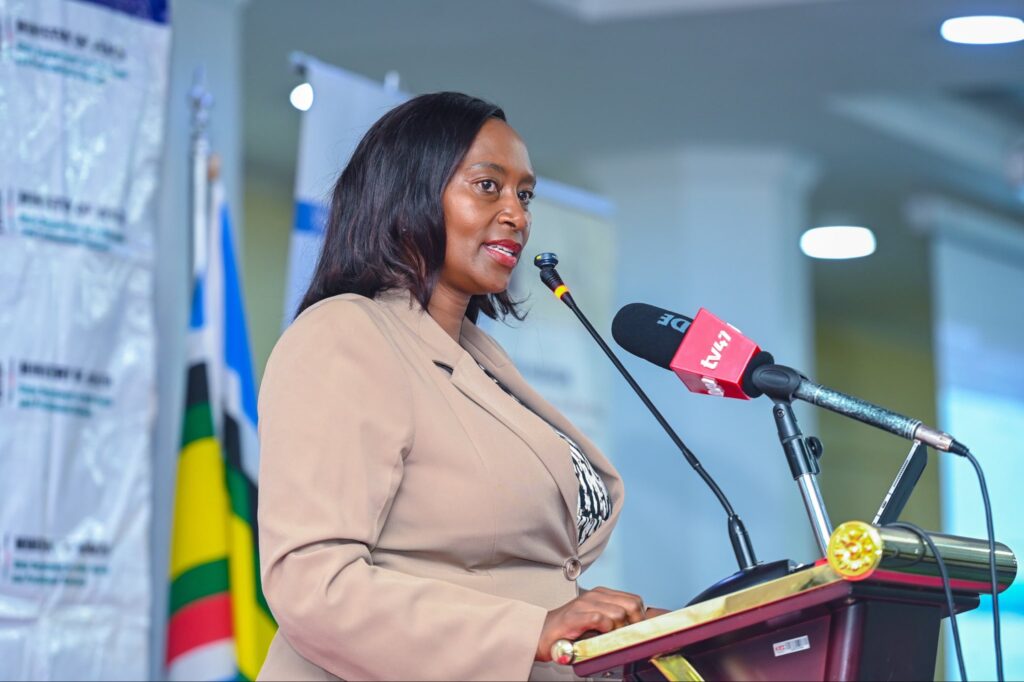
Photo: Ministry of Health.
By Robert Mutasi
The Ministry of Health has stepped up efforts to strengthen Kenya’s preparedness to prevent and respond to public health emergencies through closer cooperation with health partners and civil society organisations.
The ministry, through the State Department for Public Health and Professional Standards, held discussions with health partners and civil society organisations on several priorities affecting the country’s public health preparedness.
The engagement was conducted in partnership with the Health NGOs Network (HENNET) as the government seeks to improve coordination and strengthen the country’s ability to respond to emerging health threats.
Among the issues discussed were preparedness for Ebola and Mpox, readiness for the effects of El Niño weather conditions, and preparations for the Kenya Public Health and Scientific Conference (KEPHIC) 2026.
The Ministry of Health said the engagement was part of efforts to ensure that government agencies, development partners, civil society organisations and other stakeholders work together in identifying and addressing potential health risks.
Ebola preparedness remains an important component of Kenya’s disease surveillance and emergency response planning because of the potential for infectious disease outbreaks to cross national borders.
Mpox has also remained a public health concern in several countries, making surveillance, early detection and rapid response important in limiting transmission.
The ministry’s engagement with health partners is expected to support information sharing and improve coordination in the event of an outbreak or other public health emergency.
Focus on El Niño preparedness
The discussions also addressed preparedness for El Niño-related risks.
Heavy rains associated with El Niño conditions can contribute to flooding, displacement and disruption of essential services. Such events can also increase the risk of waterborne diseases and place additional pressure on health facilities.
The Ministry of Health is therefore seeking to strengthen preparedness measures before weather-related emergencies occur.
The involvement of civil society organisations and health partners is expected to help improve coordination at community level, where early warnings, public awareness and access to health services can play an important role during emergencies.
KEPHIC 2026 preparations
The stakeholders also discussed preparations for KEPHIC 2026, which is scheduled to take place from October 26 to 29, 2026.
The conference will bring together stakeholders from different areas of public health to discuss challenges, share knowledge and strengthen collaboration around Kenya’s health agenda.
The event is expected to provide a platform for health professionals, government officials, researchers, development partners, civil society organisations and other stakeholders to exchange ideas on improving public health systems.
The Ministry of Health said stronger partnerships would be essential in advancing preparedness, prevention and response.
Collaboration among different players in the health sector can help improve disease surveillance, emergency planning and the delivery of timely interventions when health threats emerge.
The latest engagement comes as Kenya continues to strengthen its public health systems in response to infectious diseases, climate-related emergencies and other threats that can affect communities.
The ministry has emphasised the importance of preparing for potential emergencies before they escalate, while ensuring that communities and health workers have access to the information and resources needed to respond effectively.
Through continued engagement with HENNET, health partners and civil society organisations, the government hopes to strengthen coordination and ensure that public health responses are informed by the needs of communities.
The preparations for KEPHIC 2026 will also provide an opportunity for stakeholders to assess progress, identify gaps and develop stronger approaches to public health preparedness.
The Ministry of Health said continued collaboration would remain central to Kenya’s efforts to build a more resilient health system capable of preventing, detecting and responding to emerging health threats.
About Author