Iran Halts Retaliatory Attacks as U.S. Pauses Strikes for Second Night
Army spokesman Mohammad Akraminia confirmed the shift in an interview with Iran’s semiofficial Mehr news agency, signalling the first potential de-escalation after weeks of relentless exchanges.
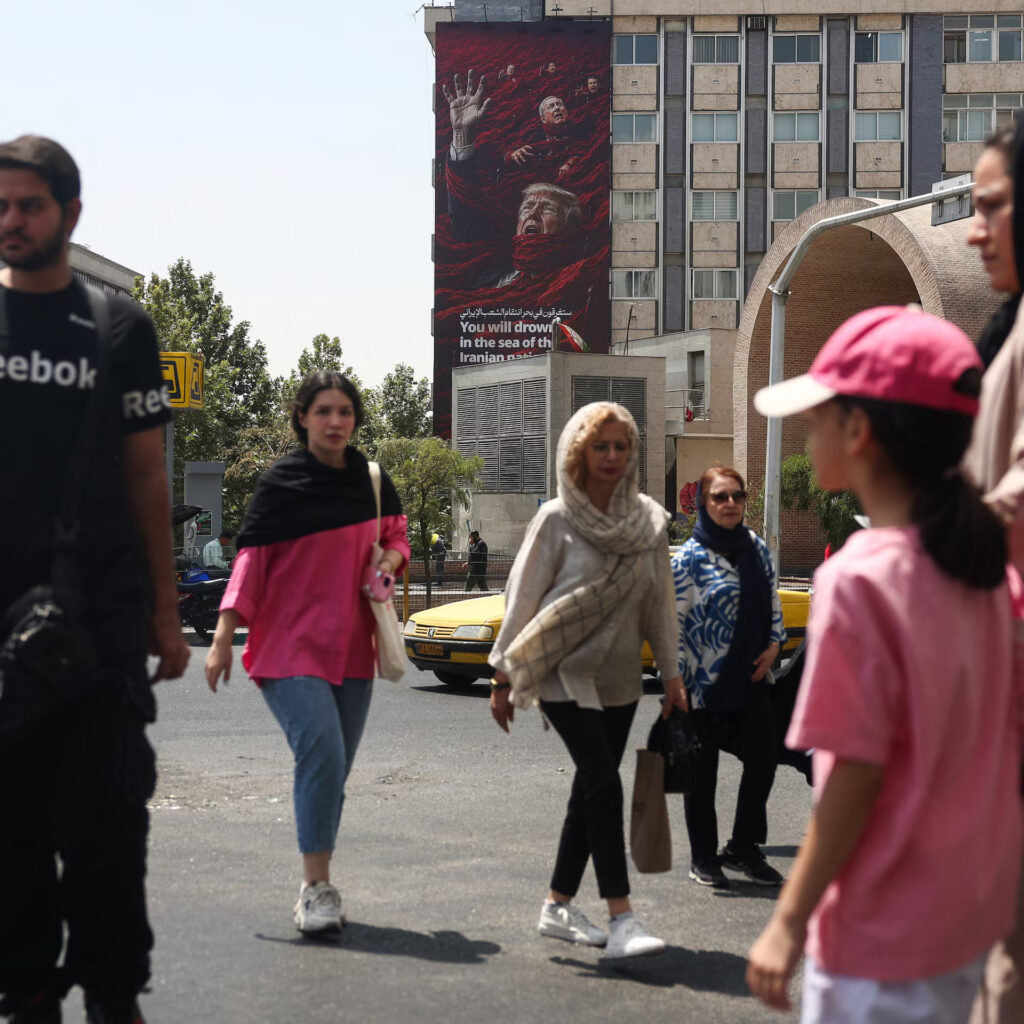
Photo: Courtesy.
By Anthony Mamuli
Iran said on Sunday it has suspended retaliatory attacks against U.S. allies in the Middle East after Washington held off on striking Iranian territory for two consecutive nights, offering a rare lull in a conflict that is nearing its fifth month.
Army spokesman Mohammad Akraminia confirmed the shift in an interview with Iran’s semiofficial Mehr news agency, signalling the first potential de-escalation after weeks of relentless exchanges.
“These attacks continued until two nights ago, but over the past two nights the Americans have stopped their attacks,” Akraminia said. “Since… our strategy has essentially been retaliatory, we have also halted our retaliatory operations.”
The pause follows 13 straight nights of bombing that marked the most intense phase of the conflict between Iran and the United States, which began after Washington launched a sweeping air campaign targeting Iranian military installations, missile sites and Revolutionary Guard facilities.
During that period, Iran had responded with a barrage of drone and missile attacks targeting U.S. bases in Iraq, Syria, Qatar and other allied positions in the Gulf region, raising fears of a full-scale regional war that could disrupt global oil supplies and draw in other powers.
A separate senior Iranian official cautioned that it was too early to describe the halt as a formal ceasefire, saying Tehran was watching Washington’s next moves closely and that the Islamic Republic remained on high alert.
“We have stopped because they have stopped. This is not a truce agreement. It is a reciprocal pause,” the official told local media, adding that Washington’s longer-term intentions remained unclear.
Speaking at the White House on Sunday, President Donald Trump said he had not yet decided whether to resume a full-scale military campaign, warning that Iran still faced a choice between reaching a deal or facing strikes at a “much higher level.”
“We gave them a chance to stop. They did. We’ll see what happens next,” Trump told reporters. “They can make a deal, or we can go back in, much stronger than before.”
Analysts have linked the temporary pause partly to operational considerations, including strain on U.S. munitions stockpiles and the need to reassess targets after nearly two weeks of continuous bombardment. Trump, however, has dismissed those reports, insisting that American supplies remain “vast and stronger than ever.”
“The U.S. military has more ammunition than any country has ever had. That’s not an issue,” Trump said.
The lull comes just two days ahead of a planned high-stakes meeting in Washington between Trump and Israeli Prime Minister Benjamin Netanyahu. The two leaders are expected to discuss the next phase of the campaign, Iran’s nuclear program, and the conditions for any potential diplomatic off-ramp.
Netanyahu, who arrived in Washington on Sunday night, has publicly pushed for continued pressure on Tehran until its nuclear and missile capabilities are fully dismantled, while some U.S. officials have reportedly urged a more cautious approach to avoid a prolonged entanglement.
For civilians across the region, from Tehran to Baghdad to Tel Aviv, the two nights without air raid sirens have offered a fragile moment of relief, but one that many fear may not last.
Oil prices dipped slightly on Monday morning following news of the pause, reflecting market hopes that a wider escalation might be avoided, even as diplomats warn that without a formal agreement, the conflict could reignite at any moment.
About Author