Trump Eases Russia Sanctions in Diesel Supply Deal
Russia has faced successive rounds of sanctions imposed by the United States and its allies since launching its full-scale invasion of Ukraine in February 2022.
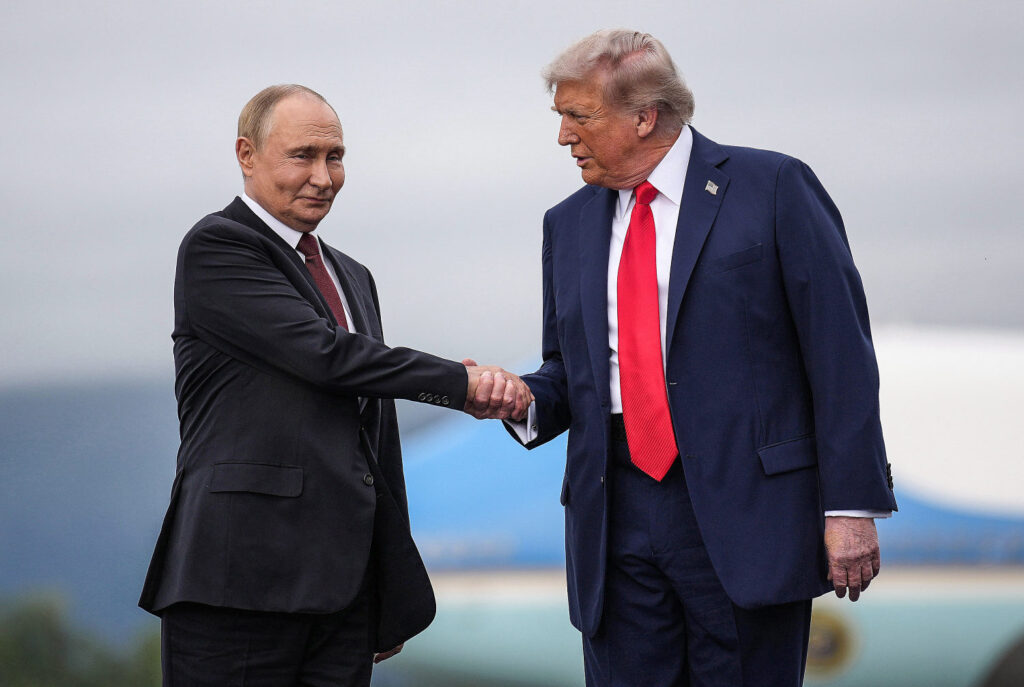
US President Donald Trump announces a deal with Russia to release large quantities of diesel fuel to global markets, easing some sanctions on Moscow as rising energy prices put pressure on American consumers ahead of midterm elections. Photo: Yahoo.
By Robert Mutasi
US President Donald Trump has announced a deal with Russia to release large quantities of diesel fuel to global markets, easing some sanctions on Moscow as rising energy prices put pressure on American consumers ahead of midterm elections.
Trump said Russia had agreed to supply more than 300,000 tonnes of diesel immediately, following talks with Russian President Vladimir Putin. He also announced plans for additional shipments in the coming months.
The move has drawn criticism from Ukrainian President Volodymyr Zelensky, who described the decision as “unworthy” and “weak”, arguing that easing restrictions on Moscow was inappropriate while Russia continues its war against Ukraine.
Russia has faced successive rounds of sanctions imposed by the United States and its allies since launching its full-scale invasion of Ukraine in February 2022.
In a social media post, Trump said Russia would immediately release more than 300,000 tonnes of diesel to the American and global markets. He added that Moscow would supply 500,000 tonnes in November, followed by another one million tonnes and further shipments.
The Kremlin confirmed that Russia had reaffirmed its willingness to supply oil and petroleum products to the United States and other markets.
The US Treasury Department subsequently issued a temporary licence allowing Russian diesel to reach global markets through April 2027.
Trump defended the decision, saying reducing fuel costs for Americans was a priority, particularly for farmers, ranchers and truck drivers who depend heavily on diesel.
Rising Fuel Prices Put Pressure on Trump
The agreement comes as American motorists and businesses grapple with a sharp increase in fuel prices following US-Israeli strikes against Iran in late February.
The conflict disrupted global energy supplies after Tehran blocked the Strait of Hormuz, a critical shipping route through which a substantial share of the world’s oil and petroleum products passes.
The average price of regular petrol in the United States has risen by more than 46 per cent since late February to $4.37 per gallon. Diesel prices have climbed by about 67 per cent to $6.28 per gallon.
The rising costs have increased pressure on the Trump administration as it prepares for midterm elections in which the Republican Party faces the risk of losing control of Congress.
Trump has also blamed Ukrainian attacks on Russian oil refineries for contributing to higher fuel prices, although the conflict involving Iran has been a major source of disruption to global energy supplies.
The administration’s decision to ease restrictions on Russian diesel reflects efforts to increase available supplies and reduce pressure on consumers and businesses.
Ukraine Criticises Sanctions Relief
Zelensky criticised the agreement, questioning the decision to relax restrictions on Russia while Moscow continues its military campaign against Ukraine.
Speaking to reporters, the Ukrainian president said the move was unfair to partners supporting Kyiv and represented a weak decision.
His remarks highlight the continuing divisions over how Washington should balance domestic economic pressures with efforts to force Russia to end the war.
Russia currently controls roughly one-fifth of Ukrainian territory. Peace efforts have repeatedly stalled over Moscow’s territorial demands, particularly its insistence on controlling the entire Donbas region in eastern Ukraine, including areas still held by Ukrainian forces.
Zelensky has rejected surrendering Ukrainian-held territory, warning that Russia could use any further territorial gains to prepare for another offensive.
US and Ukraine Resume Peace Talks
Trump’s announcement came as American and Ukrainian negotiators met in Miami on Friday to explore ways to end the conflict.
US envoy Steve Witkoff described the discussions as constructive, saying the parties examined possible measures to de-escalate the fighting and bring the war to an end before winter.
The meeting followed visits to Moscow and Kyiv last month by Witkoff and Jared Kushner, Trump’s son-in-law, as Washington renewed efforts to revive negotiations that have produced limited progress.
The Miami talks focused on security guarantees, longer-term arrangements for Ukraine and European security, and support for Ukraine’s reconstruction after the war.
Representatives from Britain, France and Germany attended the discussions alongside officials from NATO and the European Union.
The renewed diplomatic push comes amid continued fighting and attacks on critical infrastructure, with the approaching winter adding urgency to efforts to secure a settlement.
Russia’s territorial demands remain a major obstacle, while Kyiv continues to resist any agreement that would require it to surrender territory under Ukrainian control.
Trump’s diesel agreement with Moscow therefore places energy costs and diplomatic negotiations at the centre of Washington’s response to the conflict, even as Ukraine warns against measures that could ease economic pressure on Russia.
About Author