Stakeholders Call for Stronger Climate Action Through Partnerships and Inclusive Policies
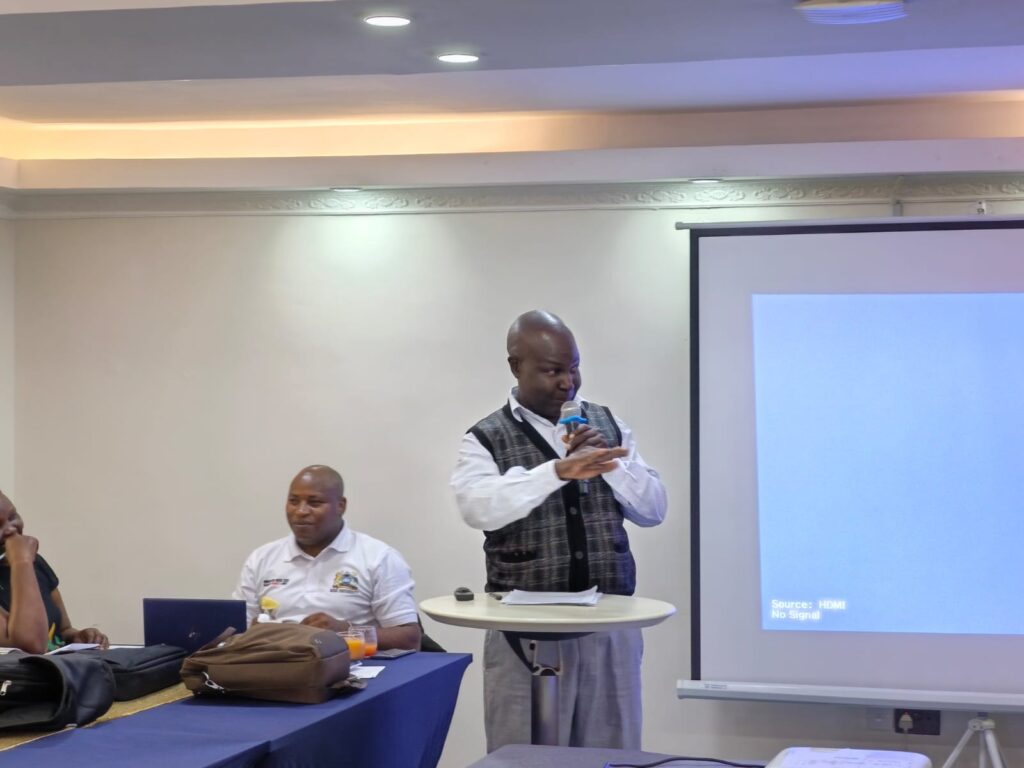
Stakeholders participate in the CLARS WP3 Stakeholder Engagement and Co-Production Workshop at the Grand Empire Hotel in Eldoret, where they discussed collaborative approaches to climate adaptation and resilience. Participants called for stronger partnerships, inclusive policies, and community-led solutions to protect climate migrants and vulnerable communities from the increasing impacts of climate change.
By Sonia Mitchel
Stakeholders have called for stronger partnerships, inclusive policies, and community-driven solutions to address the growing effects of climate change, warning that vulnerable groups continue to suffer the most from environmental challenges.
The calls were made during the CLARS WP3 Stakeholder Engagement and Co-Production Workshop held at the Grand Empire Hotel in Eldoret. The forum brought together researchers, civil society organizations, county government representatives, and environmental stakeholders to discuss climate adaptation and resilience strategies for climate migrants and host communities.
Discussions during the workshop highlighted the far-reaching effects of climate change. Participants said climate change is already causing declining agricultural productivity, food insecurity, poverty, displacement of people, and increased vulnerability among affected populations. They noted that climate-related shocks continue to disrupt livelihoods and place additional pressure on already vulnerable communities who depend on farming and natural resources.
Speaking during the workshop, Benedine Kipruto from the Uasin Gishu Civil Servants Network emphasized the importance of collaboration among institutions and stakeholders in addressing climate challenges.
According to Kipruto, the engagement forum brought together researchers from universities, civil society organizations operating within Uasin Gishu County, and representatives from the county government, particularly the Department of Environment and Climate Change.
“One of the key aspects that came out from this conversation today is on partnership and linkages. What we are rooting for is the enhancement of partnerships and linkages within the conversations around environment and climate change,” he said.
Kipruto noted that changing weather patterns and increasingly unpredictable seasons should serve as a wake-up call for communities, institutions, and policymakers to strengthen climate action.
“The climate is changing each and every year and every season. It is a wake-up call to all of us to begin having these conversations and creating linkages that will give us opportunities to continue sensitizing our communities and advocating for policy changes within our county and national government,” he added.
The workshop also focused on the relationship between climate change, gender, and social inequality, with participants observing that environmental challenges often affect vulnerable groups disproportionately. This means women, youth, children, the elderly, and people living in poverty feel the impact more than others.
Dr. Peter Gutwa Oino, a Senior Lecturer at Kisii University, said discussions had centered on understanding how climate change intersects with social and gender inequalities and contributes to increased vulnerability among communities.
“The main issue here today was talking about gender and social inequality and how it intersects with the issues of climate change. We have had a fruitful discussion whereby people raised issues on how climate change has affected various groups and it has even led to issues of vulnerability,” said Dr. Oino.
Participants further examined challenges facing climate migrants and host communities. Climate migrants are people who are forced to move from their homes because of climate change effects like drought, floods, or failed crops. When they move, they often face competition for resources, employment opportunities, and access to essential services like water, health care and education in the host communities. Stakeholders emphasized the need for inclusive approaches that ensure no group is left behind in climate adaptation efforts.
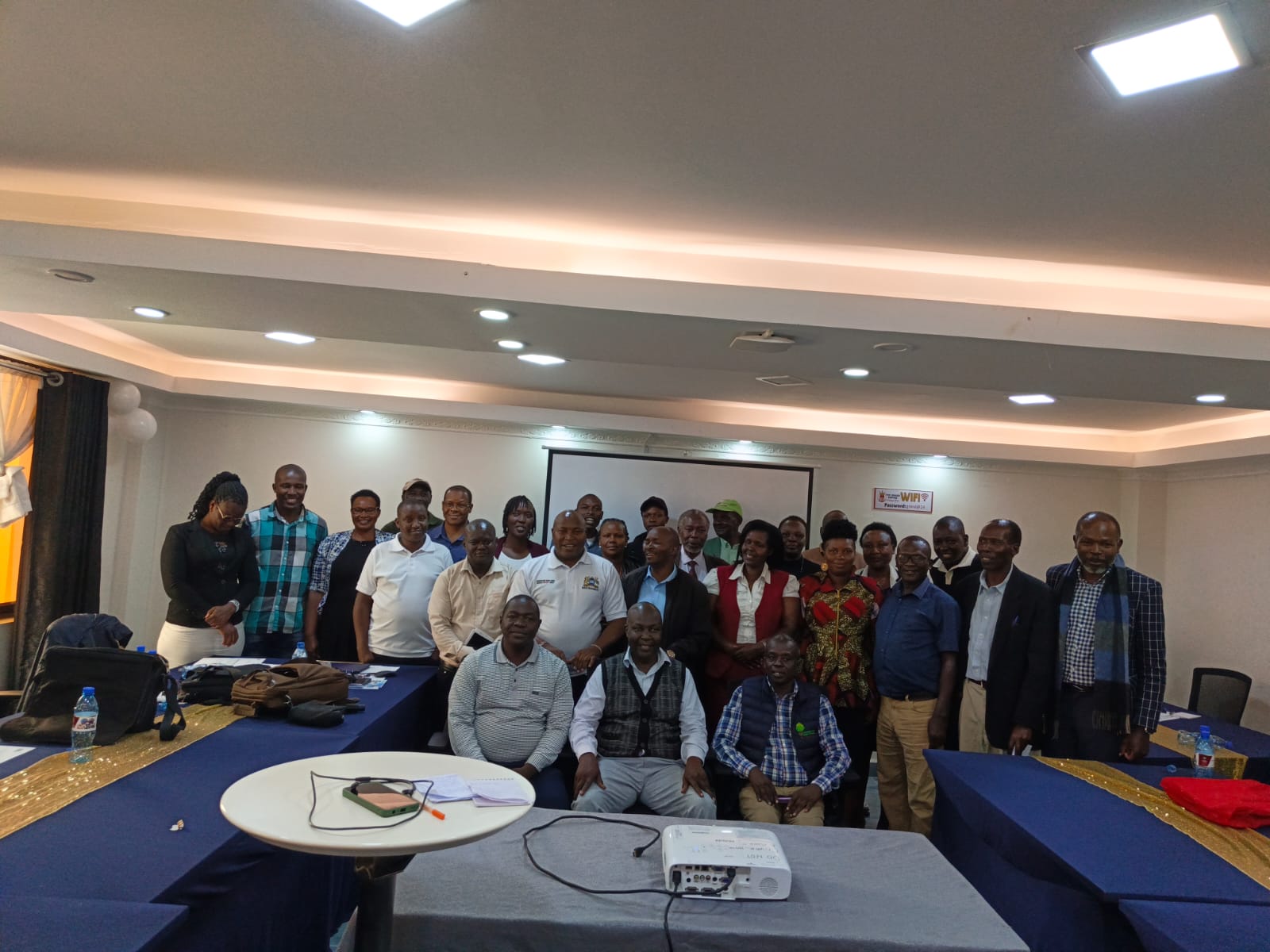
Among the recommendations proposed were increased civic education on climate change, stronger policy implementation, greater involvement of local communities in decision-making, and enhanced support for women and youth-led climate initiatives.
Stakeholders also advocated for climate-smart agriculture, adoption of digital farming technologies, promotion of indigenous crops that can survive harsh weather, investment in value addition to farm produce, and increased environmental conservation efforts such as tree planting and protection of water sources as part of broader resilience-building measures.
The workshop concluded with a renewed commitment among stakeholders to strengthen collaboration and develop practical, inclusive solutions aimed at helping communities adapt to the growing impacts of climate change while promoting sustainable development for all.
About Author