Kenya’s Wealthy Hold Onto Multiple Homes But Shun Rental Market, Report Shows
“These findings point to a strong inclination towards exclusivity in residential property ownership among Kenya’s wealthy cohort,” the report stated.
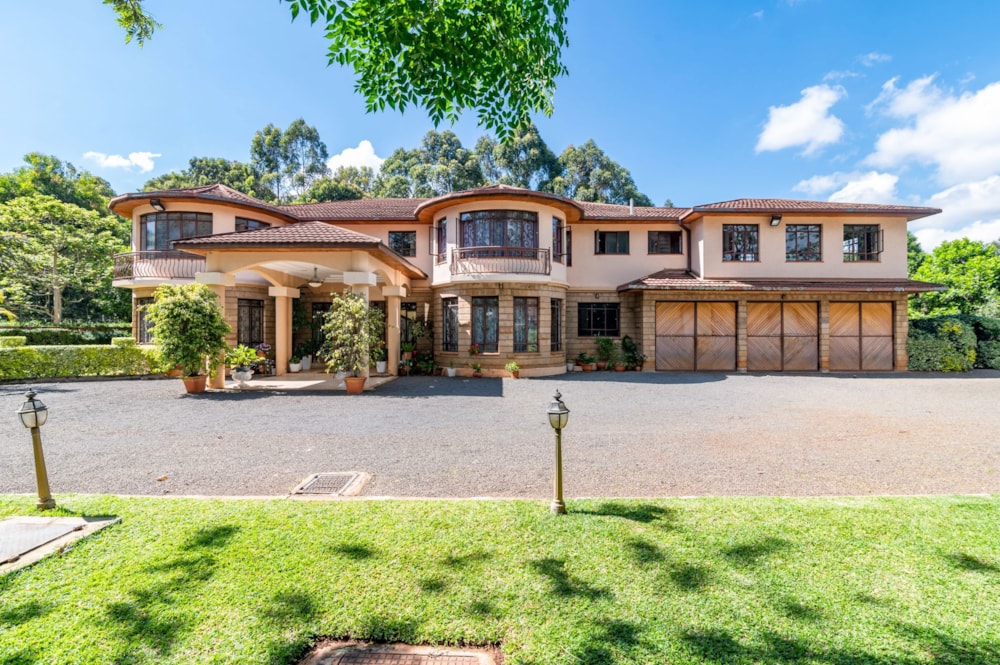
One of the biggest mansion in Karen, Nairobi.
By Robert Mutasi
Kenya’s wealthiest individuals are increasingly building large residential property portfolios but are largely keeping them off the rental market, fresh data from Knight Frank shows.
According to Knight Frank’s 2026 Wealth & Investment Trends Report, most high-net-worth individuals (HNWIs) in Kenya typically own three homes, with 44 per cent of wealth managers surveyed reporting this pattern among their clients.
The figure marks an increase from 2025, when 39 per cent of respondents said their clients owned three residential properties, pointing to a growing appetite for multiple home ownership among the country’s affluent class.
The report further shows that 30 per cent of wealth managers said their clients typically own two homes, while 4 per cent indicated that their clients hold four homes. Meanwhile, 17 per cent reported that their clients own a single residential property.
Despite holding sizeable portfolios, the wealthy are largely not monetizing them.
“These findings point to a strong inclination towards exclusivity in residential property ownership among Kenya’s wealthy cohort,” the report stated.
The largest proportion of respondents said less than 10 per cent of their clients rent out their homes for secondary income. Another 21 per cent reported that between 30 and 40 per cent of their clients rent out second homes, while none of the respondents indicated that more than 70 per cent of clients generate rental income from their residential properties.
According to the report, multiple home ownership among affluent Kenyans is driven more by lifestyle choices, family considerations and long-term wealth preservation than by rental yields.
The properties often include a primary residence in major urban centres like Nairobi, second homes in coastal destinations such as Mombasa’s Kizingo neighbourhood or rural ancestral homes, and additional assets held for future value appreciation.
The findings suggest that Kenya’s wealthy largely view residential properties as lifestyle assets rather than commercial investments, preferring to retain exclusive access for personal use, leisure, family gatherings and future succession planning rather than placing them in the rental market.
This trend, analysts say, could have implications for Kenya’s housing market, particularly in the prime residential segment, where supply remains tight despite a growing number of privately held, unoccupied second and third homes.
About Author