Kenyan Scientist Wins Sh187 Million Gates Grant to Develop AI Tool for Early Disease Detection
Each wastewater sample provides researchers with a snapshot of the pathogens circulating among communities connected to a particular section of the sewer network.
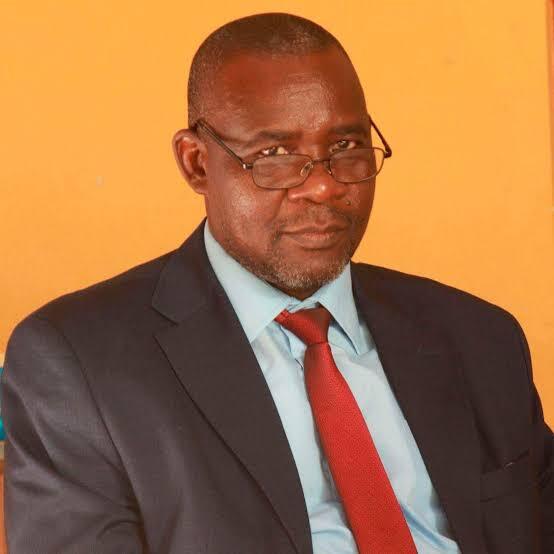
Dr. Samuel Oyola, Head of Genomic Science at ILRI, has secured a Sh187 million Gates Foundation grant to develop an AI-powered disease surveillance system aimed at detecting outbreaks early and tracking drug-resistant pathogens. PHOTO/COURTESY.
A Kenyan scientist has secured a Sh187 million ($1.45 million) grant from the Gates Foundation to develop an artificial intelligence-powered disease surveillance system designed to detect outbreaks early and monitor the spread of drug-resistant pathogens.
Dr. Samuel Oyola, senior scientist and head of genomic science at the International Livestock Research Institute (ILRI), will lead the project alongside two PhD students. The initiative aims to combine wastewater surveillance with artificial intelligence to improve public health monitoring and strengthen Kenya’s preparedness for future disease outbreaks.
The research builds on findings from wastewater surveillance studies conducted during the COVID-19 pandemic, which demonstrated that disease-causing pathogens can be detected in sewage before outbreaks become apparent through clinical reporting.
As part of the project, researchers will collect wastewater samples from 30 sites, including 18 in Kisumu and 12 in Mombasa. The two cities were selected because Nairobi already has an established wastewater surveillance programme, while Kisumu and Mombasa have extensive sewer networks that make large-scale environmental monitoring possible.
According to Dr. Oyola, the approach addresses one of Africa’s longstanding public health challenges, where many people do not seek medical treatment even when they are ill.
“In Africa, generally, our health-seeking behaviour is very poor. People can get ill and stay at home even when the disease they have could cause an outbreak,” he said.
He explained that wastewater surveillance overcomes this limitation because nearly everyone contributes to the sewer system regardless of whether they visit a health facility.
“If they are infected, they can shed the pathogen in the wastewater. Environmental surveillance is then able to detect the pathogens that have been shed by a given population,” he added.
Each wastewater sample provides researchers with a snapshot of the pathogens circulating among communities connected to a particular section of the sewer network. By sequencing the genetic material found in the samples, scientists can identify disease-causing organisms and determine whether they carry genes linked to antimicrobial resistance.
The project will integrate wastewater surveillance data with clinical records and apply artificial intelligence to model disease transmission patterns and estimate disease burden across different populations.
Dr. Oyola said the resulting platform will generate dashboards for public health officials, enabling them to identify circulating diseases, pinpoint communities with the highest disease burden, and detect emerging outbreaks before they spread widely.
Beyond outbreak detection, the system is expected to strengthen antimicrobial resistance surveillance by identifying pathogens carrying drug-resistant genes, providing health authorities with critical information to guide interventions.
Dr. Oyola expressed confidence that the AI-powered platform will help Kenya improve disease surveillance, enhance emergency response capabilities, and build stronger preparedness for future pandemics, while offering a model that could be expanded to other African countries.
About Author