NTSA Clarifies New Annual Vehicle Inspection Rules Ahead of July 1 Rollout
NTSA said the inspection program is intended to improve road safety by ensuring vehicles meet minimum mechanical and safety standards.
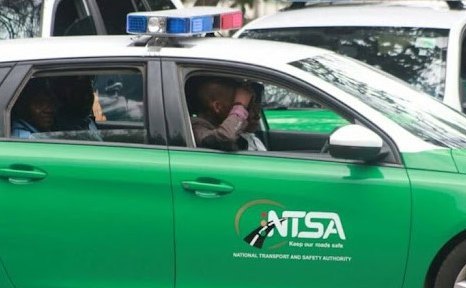
Photo: Courtesy.
By Linda Olendo
The National Transport and Safety Authority (NTSA) has clarified the implementation of new annual vehicle inspection requirements, saying private vehicles more than four years old will be subject to mandatory inspections from July 1 but the rules will not be enforced through routine roadside checks.
In a statement, the authority sought to address public concerns and misinformation surrounding the new regulations, noting that inspection requirements and charges will vary depending on the category of vehicle.
Under the new framework, owners of private vehicles older than four years will pay KSh2,000 for the annual inspection. The fee comprises a KSh1,000 booking charge and a KSh1,000 inspection fee. Motorcycles will also be subject to mandatory inspections under the revised regulations.
NTSA said the inspection program is intended to improve road safety by ensuring vehicles meet minimum mechanical and safety standards.
The authority, however, emphasized that traffic police officers will not enforce the inspection requirement during routine traffic stops.
“Information on implementation and enforcement of the above-mentioned sections or rules shall be communicated to the public in due course,” NTSA said.
The regulations will also apply to locally assembled vehicles, vehicles involved in road accidents and those that have undergone structural or mechanical modifications.
According to NTSA, Kenya has more than six million registered vehicles. If all eligible vehicles comply with the inspection requirements, the government could collect at least KSh12 billion annually through the booking and inspection fees.
NTSA Director General Nashon Kondiwa said the annual inspection requirement is already provided for under existing law, although he acknowledged that inspecting vehicles once every 12 months may not be adequate for those that spend extended periods on the road.
He said the authority is working to operationalize privately operated vehicle inspection centers to expand inspection capacity and improve service delivery.
The planned rollout has drawn criticism from some political leaders, who argue that the new requirement will increase the financial burden on motorists already grappling with a high cost of living.
Jubilee Deputy Party Leader Fred Matiang’i called for the suspension of the program pending broader public consultation, saying motorists deserve greater clarity on its implementation and expected benefits.
Matiang’i questioned how many vehicles would be affected, the amount of revenue the government expects to generate and whether NTSA has sufficient capacity to inspect millions of vehicles without creating delays.
He also asked whether the authority had demonstrated that mandatory annual inspections would reduce road accidents and sought assurances that the program would not become a source of corruption or harassment.
“What safeguards have been put in place to ensure that this programme does not become another avenue for rent-seeking and harassment of motorists?” Matiang’i said in a statement.
Democracy for the Citizens Party leader Rigathi Gachagua also criticized the policy, describing it as insensitive to Kenyans facing rising fuel prices, insurance costs, taxes and other living expenses.
With the July 1 implementation date approaching, motorists and industry stakeholders are awaiting further guidance from NTSA on how the inspection program will be enforced and whether concerns raised by the public will result in adjustments to the policy.
About Author