KADU Asili Faults 2026/2027 Budget, Says Health and Education Funding Remains Inadequate
The party is calling for more funding to strengthen healthcare and education services across the country.

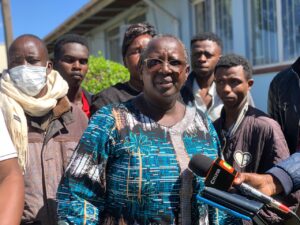
KADU Asili has criticised the 2026/2027 national budget, saying allocations to the health and education sectors remain insufficient despite increases from the previous financial year. Photo/Courtesy
By Ruth Sang
KADU Asili leaders said they have criticized the governments 2026/2027 budget, saying that sectors like health and education are still not getting enough money even while demand for public services keeps rising across the nation.
Their worry came soon after the Sh4.8 trillion national budget was tabled, where education got Sh784.5 billion, which is 26.8 per cent of the whole package. Health on the other hand was allocated Sh177.2 billion, representing 6.1 per cent of total expenditure.
Yes, KADU Asili notes that both areas received more funding than the previous financial year, but they insist these amounts are still too low to truly match what Kenyans need.
In the 2025/2026 budget, education received Sh702.7 billion while the health sector got Sh138.1 billion. So basically, the newest budget shows an upswing of Sh81.8 billion for education and Sh39.1 billion for health.
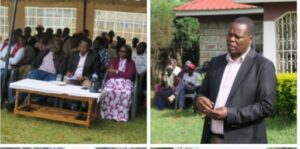
While speaking at a National Executive Committee (NEC) meeting in Mombasa, KADU Asili Party Leader Mudzo wa Nzili said that the budget presented by John Mbadi, didn’t tackle challenges affecting counties, especially on the delivery of healthcare services.
Nzili argued that many counties are still grappling with shortages of medical personnel, essential drugs, and health infrastructure, and he said these headaches need bigger financial push from the national government, not small talk.
He also mentioned that the current allocations might fail to improve the standard of education and respond properly to ongoing issues in schools as well as in institutions of higher learning.
The KADU Asili leader called on the government to reconsider how it spends its money, and shift more resources toward sectors that directly touch the welfare of citizens.
To the party, putting more investment into health and education is crucial for better service delivery, strengthening human capital development and fueling long-term economic growth.
The leaders further urged the government to collaborate closely with counties and other partners, so that the budget allocations actually respond, the way it should to the needs of wananchi and also promote balanced development across the country.
About Author