Free School Feeding Programme Launched to Support Flood-Affected Learners in Nyando
The feeding programme is part of broader efforts by the government to protect vulnerable learners and strengthen resilience in communities affected by climate-related disasters.
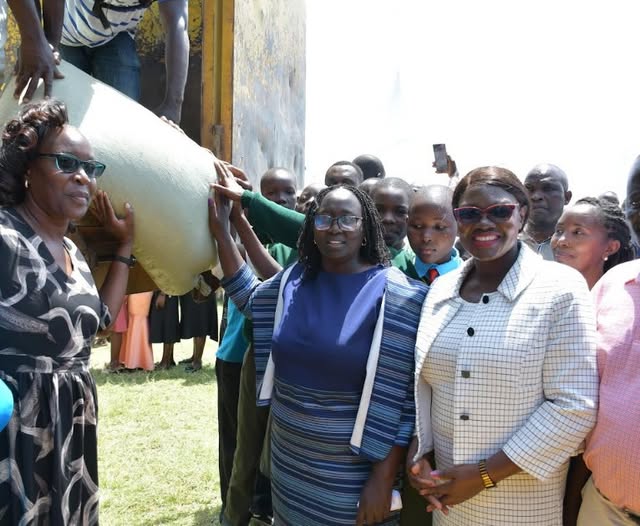
The programme includes food assistance, mentorship and psychosocial support, as well as provision of dignity kits to promote child protection and inclusive education. Photo/Courtesy
By Ruth Sang
Over 11,000 Learners Set to Benefit
The national government has implemented a free school feeding and emergency education support programme through 24 public day schools in Nyando Constituency to assist over 11000 students who live in Kisumu County. The initiative targets schools affected by recent floods and persistent food insecurity that have disrupted learning and strained household livelihoods in the region.
The programme was officially launched at Lela Mixed Secondary School as a major intervention which aims to protect the educational rights of children who live in vulnerable communities.
Government Steps In to Keep Children in School
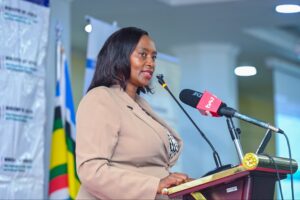
During the launch ceremony Cabinet Secretary Hanna Cheptumo explained that the initiative will prevent any child from attending school without having eaten breakfast. She noted that floods, prolonged drought, and rising food insecurity have caused students in Nyando to miss school more frequently and drop out of school and enter into early marriage.
The Cabinet Secretary said that hunger prevents children from accessing education throughout disaster-prone regions. The government will protect children who experience emergency situations by maintaining schools as secure places where students can learn without interruptions.
Comprehensive Support Beyond Meals
The programme delivers complete daily meals together with additional services which help students with their emotional and social needs. The program includes three types of support programs which work together to protect children while helping them stay in school and maintain their dignity.
The initiative develops a school environment which supports both boys and girls who face economic challenges or disaster-related difficulties which might lead them to drop out of school. Officials said the holistic approach is intended to help learners regain stability and focus on their studies.
Floods Linked to Decline in Enrolment
The intervention follows a recent assessment conducted in Nyando Sub-County which showed that school enrolment had decreased by nine percent. The decline has been attributed to widespread flooding which led to family displacements and crop destruction and livelihood disruptions that prevented parents from sending their children to school.
Education officials warned that without urgent intervention the situation would deteriorate which would create wider access gaps for learners who face multiple challenges.
Relief Supplies Delivered to Schools
As part of the programme schools received relief supplies which government and partner organizations donated to them. The package includes food items which contain maize beans and rice together with cooking oil and learning materials and bedding and essential hygiene items. The supplies are intended to support both learning and basic welfare needs within schools.
Boosting Attendance and Academic Performance
The Children Services Principal Secretary Carren Ageng’o stated that the initiative will deliver a major boost to school attendance and academic performance in Nyando. The program enables the government to achieve its objective of reaching 100 percent student enrollment from Junior Secondary to Senior Secondary School.
The PS further noted that the intervention will help cushion families struggling with poverty flood damage and crop losses caused by quelea birds while ensuring that their children continue attending school during these challenging times.
The feeding programme is part of broader efforts by the government to protect vulnerable learners and strengthen resilience in communities affected by climate-related disasters.
About Author