Uasin Gishu Marks International Day of the Girl Child with Renewed Commitment to Empowerment
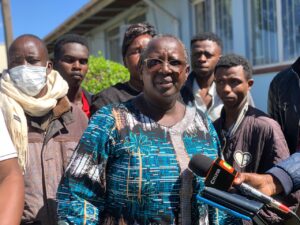
“We must continue breaking barriers — social, cultural, and economic — so that no girl is left behind,” said Shollei. “Empowering the girl child is empowering the future of our nation.”
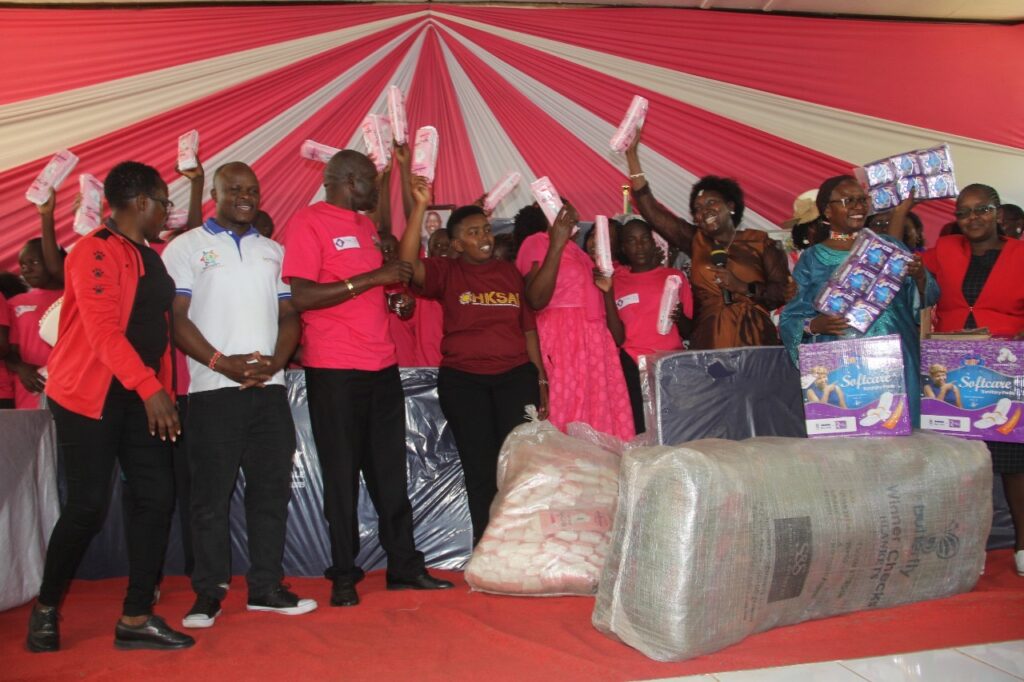
Uasin Gishu County joined the rest of the world in marking the International Day of the Girl Child, with leaders and civil society organizations reaffirming their commitment to promoting gender equality and addressing the challenges faced by girls across Kenya.
The event, held at the county headquarters in Eldoret, brought together county leaders, development partners, and youth groups under the theme of empowering girls through education, protection, and leadership.
Uasin Gishu Woman Representative Gladys Boss Shollei emphasized the importance of the day, which was established by the United Nations in 2012 to spotlight the unique needs and rights of girls globally.
“This journey for Kenya started at the time of the Beijing Conference,” said Shollei. “It was found that the girl child suffers unique challenges such as early pregnancies, gender-based violence, and lack of access to quality education.”
Shollei noted that even basic issues like menstrual hygiene had historically forced many girls to miss school, leading to high dropout rates.
“This is why this particular day is so important — to ensure that more girls are able to stay in school and access the opportunities they deserve,” she added.
She also lauded the Uasin Gishu County Government for its continued support of the Rescue Center, which offers a safe haven for vulnerable children.
“I was impressed by the work at the Rescue Center. It’s a blessed center where children find hope — through education, food, and a safe environment,” said Shollei, adding that her office continues to provide the facility with essentials such as bedding and sanitary towels.
Highlighting the economic importance of empowering women, Shollei noted that gender equality is key to Kenya’s development:
“Women make up 52 percent of our population. Any country that leaves behind half its population cannot progress. Gender equality is not just a moral issue — it’s an economic one.”
International Day of the Girl Child
The International Day of the Girl Child was established by the United Nations General Assembly in December 2011 and first observed in 2012. The day aims to recognize girls’ rights and the unique challenges they face around the world — including barriers to education, early marriage, violence, and limited access to health services.
According to the UN, the day is an opportunity to promote actions that ensure girls are empowered to reach their full potential, free from discrimination and harmful practices.
Challenges Facing the Kenyan Girl
Despite policy progress, girls in Kenya continue to face a range of interlinked challenges that threaten their education, health, and safety.
1. Early Marriage and Teen Pregnancy
According to UN Women (2024), about 12.5 percent of Kenyan women aged 20–24 were married before the age of 18. The adolescent birth rate stands at 43.8 births per 1,000 girls aged 15–19, one of the major causes of school dropouts among girls, particularly in rural areas.
2. Gender-Based Violence (GBV)
A 2022 national survey shows that 40 percent of women in Kenya have experienced some form of gender-based violence. The Kenya Violence Against Children Survey (VACS) revealed that 49 percent of girls aged 13–17 have experienced physical violence, and 11 percent have faced sexual violence.
These incidents often go unreported due to stigma and fear of retaliation, leading to trauma, loss of education opportunities, and cycles of poverty.
3. Education and Dropout Rates
While Kenya has made significant progress in school enrollment, disparities persist. A recent report shows that 66 percent of girls aged 15–19 have some level of secondary education, but in some arid and semi-arid areas, up to 71 percent of women have no formal education. Girls remain underrepresented in technical and vocational education, comprising only 44 percent of enrollees.
4. Menstrual Hygiene and Reproductive Health
Menstrual hygiene remains a significant barrier to girls’ education. Thousands of girls miss school every month due to lack of sanitary products, stigma, and inadequate facilities. The Ministry of Education estimates that girls lose an average of four school days per month due to menstruation-related challenges.
Local Action and Partnerships
The Uasin Gishu commemoration was organized by the Hope for Kenya Slums Adolescents Initiative (HKSI) in partnership with the county government and local civil society organizations. HKSI operates in five counties — Nairobi, Uasin Gishu, Kisumu, Mombasa, and Busia — supporting girls in slum communities through education, mentorship, and reproductive health programs.
HKSI Operations Manager Emmanuel Lagwanda commended the joint efforts that made the event successful.
“We are grateful to the county government and the CSO network for their support,” said Lagwanda. “This day reminds us of the progress made in supporting the girl child, while also highlighting areas where more needs to be done.”
With cultural performances and testimonies from young girls, leaders and organizations reaffirmed their commitment to ensuring that every girl in Kenya can live free from violence and discrimination and access education and opportunities equally.
“We must continue breaking barriers — social, cultural, and economic — so that no girl is left behind,” said Shollei. “Empowering the girl child is empowering the future of our nation.”
About Author