Education Committee Embarks on Oversight Visits to National Polytechnics
According to Melly, the inspections are designed to uncover operational challenges, gather stakeholder feedback, and make policy recommendations to ensure the effective use of public funds.

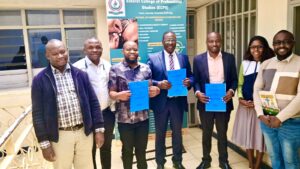
The National Assembly Committee on Education, chaired by Tinderet MP Hon. Julius Melly, has launched a nationwide oversight mission to assess the state of National Polytechnics. Photo/Parliament of Kenya.
By Robert Assad
The National Assembly Committee on Education, chaired by Tinderet MP Julius Melly, has launched a nationwide oversight mission to assess the state of National Polytechnics.
This initiative, part of the Committee’s oversight role on budget implementation, aims to evaluate the efficiency and impact of government-funded projects in Technical and Vocational Education and Training (TVET) institutions.
The visits are being conducted under the framework of the 2023/2024 Financial Year, focusing on the implementation of development projects across selected polytechnics.
According to Melly, the inspections are designed to uncover operational challenges, gather stakeholder feedback, and make policy recommendations to ensure the effective use of public funds.
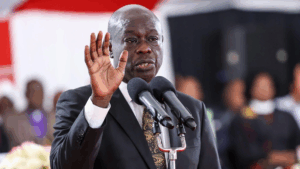
“We are here because we have seen the challenges affecting our TVETs. These tours are intended to inform future budget scrutiny, resource reallocation, and potential legislative interventions,” Hon. Melly said during an oversight meeting at Eldoret National Polytechnic.
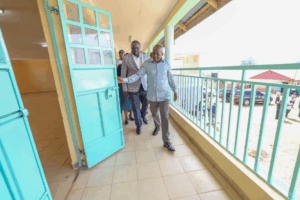
The inspection exercise has been divided between two sub-committees. One team, led by Hon. Melly visited Eldoret National Polytechnic and the Rift Valley Technical Training Institute (RVTTI) in Uasin Gishu County.
The second team, chaired by Hon. Mary Emaase (Teso South MP), toured Rift Valley National Polytechnic in Nakuru County and Nyandarua National Polytechnic.
Emaase raised serious concerns over the continued delays and inadequacies in disbursing student capitation funds. She noted that despite the Committee allocating the full budget, the government only releases about half of the required funds annually.
“This underfunding undermines the institutions’ ability to deliver quality services and support students effectively,” she said.
Currently, the National Treasury has allocated Sh5.2 billion for TVET student capitation, far below the Sh8.83 billion required. The resulting deficit has strained resources and affected educational outcomes in these critical institutions.
Other members accompanying the visits included Hon. Rebecca Tonkei (Narok),Julius Taitumu (Igembe North), Peter Orero (Kibra),Jerusha Momanyi (Nyamira),Christine Ombaka (Siaya), Prof. Phylis Bartoo (Moiben),Joseph Makilap (Baringo North), Dick Maungu (Luanda), and Abdul Haro (Mandera South).
They jointly emphasized the urgent need for adequate and timely funding to safeguard the future of vocational education in Kenya.
The Committee is expected to continue its inspections and later table a comprehensive report in the National Assembly. The findings will guide future policy decisions and budget allocations to strengthen the country’s TVET sector.
About Author