Beyond Labels: Why Every Child Deserves a Second Chance
The High Court’s decision to refer to students implicated in the Utumishi Girls tragedy as “subject minors” rather than “suspects” is a powerful affirmation of Kenya’s constitutional commitment to protecting children’s dignity and prioritizing rehabilitation over lifelong stigma. As public debate intensifies, the case reminds us that accountability and compassion are not mutually exclusive.
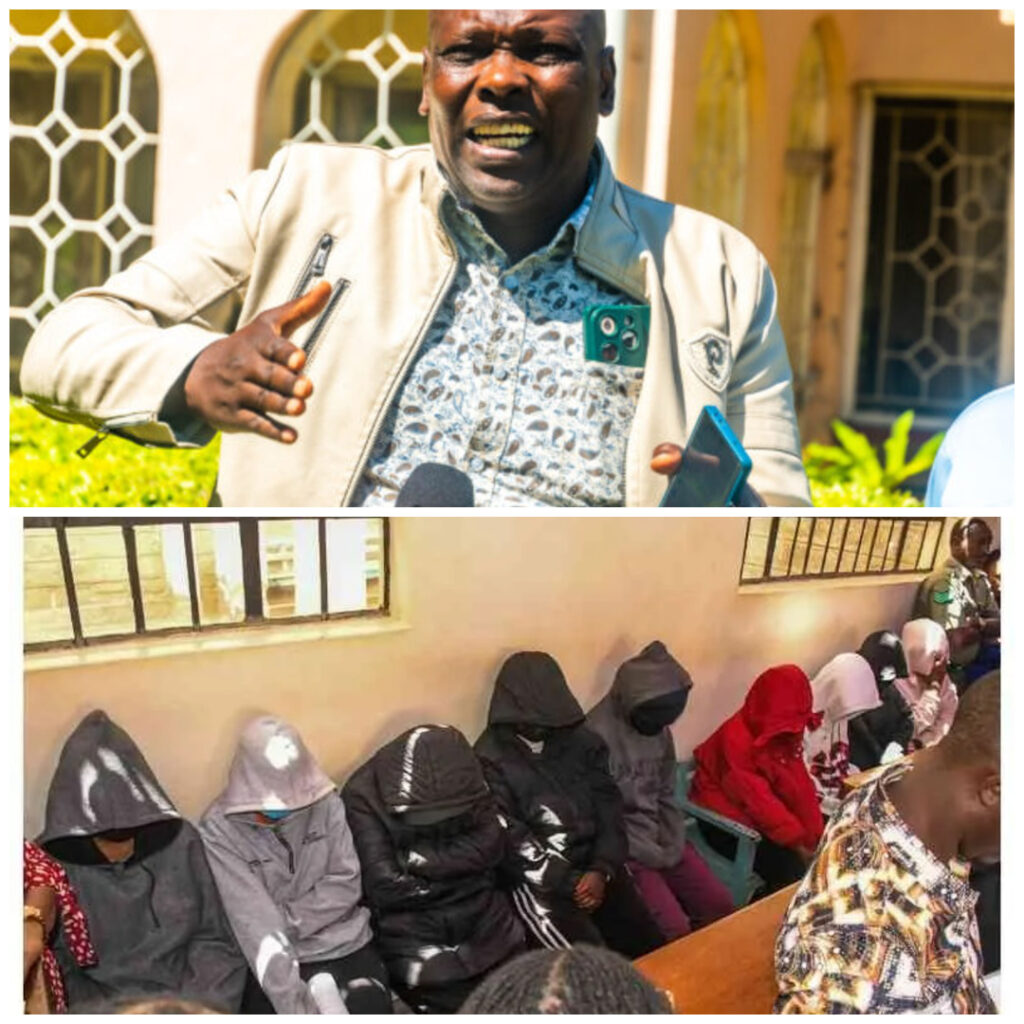
Human Rights Defender and Governance Champion Kimutai Kirui (left) and the Utumishi Girls subject minors during their appearance before the High Court.
By Kimutai Kirui
Human Rights Defender and Governance Champion
The High Court’s decision to refer to the Utumishi Girls students as “subject minors” rather than “suspects” is far more than a matter of legal terminology. It is a reaffirmation of a fundamental constitutional principle: every child deserves protection, dignity, and the opportunity for rehabilitation.
This is a welcome and principled development. Regardless of the grave allegations they face, minors are entitled to legal safeguards that acknowledge their age, vulnerability, and capacity for reform. The language used by the justice system matters because it reflects the values that underpin the rule of law.
Children often make poor decisions driven by curiosity, peer pressure, inadequate supervision, exposure to harmful online content, or substance abuse. While none of these factors excuses unlawful conduct, they help explain why the law treats children differently from adults. The juvenile justice system was never designed solely to punish. Its primary purpose is to correct, guide, and ultimately reintegrate children into society as responsible citizens.
The designation “subject minor” is therefore a deliberate legal safeguard rooted in the Constitution and the Children Act. It serves several important purposes.
First, it shields children from the stigma associated with labels such as “suspect” or “accused person”—terms that may define them in the public eye long before any judicial determination of responsibility.
Second, it reflects the legal recognition that children possess varying levels of maturity, judgment, and decision-making capacity. Consequently, they require a justice system specifically tailored to their developmental needs.
Third, it reinforces the strict privacy protections afforded to children by reminding courts, investigators, the media, and the public that proceedings involving minors demand heightened confidentiality and sensitivity.
Above all, the terminology underscores that the principal objective of the juvenile justice system is rehabilitation rather than retribution. While the law requires children to be held accountable for their actions, it also seeks to preserve their opportunities for education, personal growth, and productive citizenship.
The High Court’s insistence on this terminology is therefore not a semantic exercise. It gives practical effect to the constitutional imperative that the best interests of the child remain of paramount importance in every matter concerning a child.
As public discourse continues around cases involving minors, we must resist the temptation to convict children in the court of public opinion. Accountability is essential, but so too is the recognition that every child deserves the possibility of redemption. Justice for children is measured not only by how society responds to their mistakes, but also by whether it leaves room for them to become better adults.
At the same time, our deepest sympathies remain with the families who have endured the unimaginable loss of their daughters. No legal principle can diminish the magnitude of their grief. May Allah (SWT) envelop them in His mercy, grant them ṣabr jamīl (beautiful patience), and compensate their loss with His infinite grace in this world and the Hereafter. May the souls of these young girls rest in eternal peace, and may Allah admit them into the highest ranks of Jannah.
For the girls whose alleged actions precipitated this tragedy, the law must take its course, for accountability remains the bedrock of justice. Yet even within justice lies the possibility of redemption. They now carry a burden that may shape much of their lives, but no life is beyond the reach of remorse, repentance, rehabilitation, and moral renewal.
May this tragedy move us beyond outrage and toward honest national introspection. Let it inspire us to build schools, families, and communities where prevention, guidance, and care take precedence, so that such a devastating loss is never repeated.
About Author