WHY SOCIAL MEDIA HAS REDUCED PRIVACY TO A LUXURY.
By Whitney Gloria
Privacy is no longer a privilege in the present day globalized world, as it is now a privilege. What has been personal is becoming public as well as what has been intimate is becoming content. Social media has changed the way we socialize with privacy to the point where silence, discretion and anonymity seem to be a luxury, almost a luxury.
The culture of oversharing is one of the biggest causes of the scarcity of privacy. Social media promotes individuals to share all their milestones, argumentation, meals, heartbreak, and accomplishments. Social network platforms achieve visibility via likes and confirmation, which
cause a need to share constantly. Consequently, individuals disclose information that they would not want to disclose in the real life. There is a blurring of the line between personal and the public life, which is occasionally irreparable.
The other reason is the surveillance of data under the guise of convenience. All the likes of our posts, all the videos we watch, all the places we tag, social media companies make them all. What we do, what we purchase, what we think, what we hate, and what we love all create our digital footprints as a fine portrait of who we are. This is sold, analyzed and used to shape what we see on the internet. With such a system, we do not lose our privacy, but we negotiate it against the use of platforms that we use on a daily basis.
Social pressure also makes privacy appear to be a luxury in the social media. We dread the likelihood of being neglected, criticized, or misjudged when we do not get in. Individuals are driven to bring versioned versions of themselves since platforms reward exposure and punish inaccessibility. There is even the feeling of suspicion about not sharing, nowadays, privacy is like secrecy and secrecy is like guilt.
The worst part is the normalized nature of exposure of younger generations. The teens are mature enough to record their lives on the internet without thinking of repercussions. They leave behind their errors, their weaknesses and intimate backgrounds. In their case, privacy is not something they have a right over, it is alien to them.
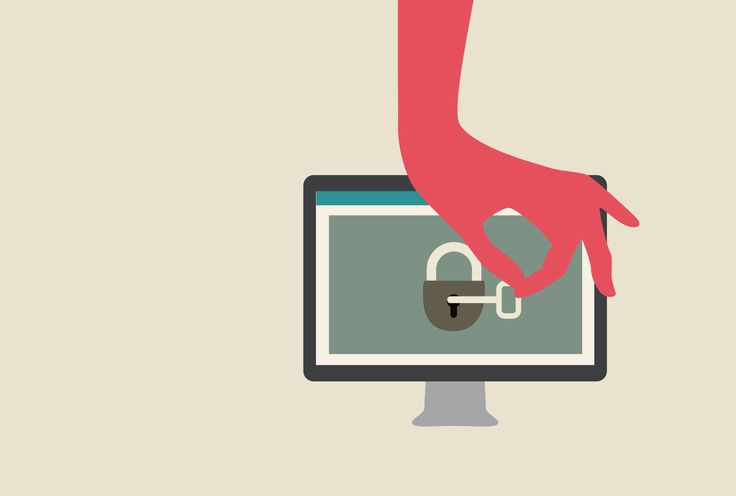
The privacy should not be controlled by people who could afford VPNs, ad blockers, or digital isolation. This ought to be the norm not the exception. However, the social media has made it a privilege that only the cautious, the techno savvy or the wealthy can actually sustain.
The fact is straightforward, with each post, click, or scroll we submit, we give away fragments of ourselves. And the more we loan out the less we can recover. Unless we do something, as individuals and collectively, we have the chance of living in a world where it is suspicious to be a private person, it is weird to be a quiet person, and it is inevitable to be a completely known person.
Privacy is not just protection anymore in a digital age of exposure craze but power. And unless we struggle to preserve it presently it in a little time may be too late, a mere thing to appreciate at a far-off as a luxury passed and wasted.
About Author