Walking Nation as Matatu Operators Begin Nationwide Strike Over Rising Fuel Prices
Kenyans across the country are expected to face major transport disruptions after matatu operators and other transport players launched a nationwide strike protesting soaring fuel prices and the rising cost of living.
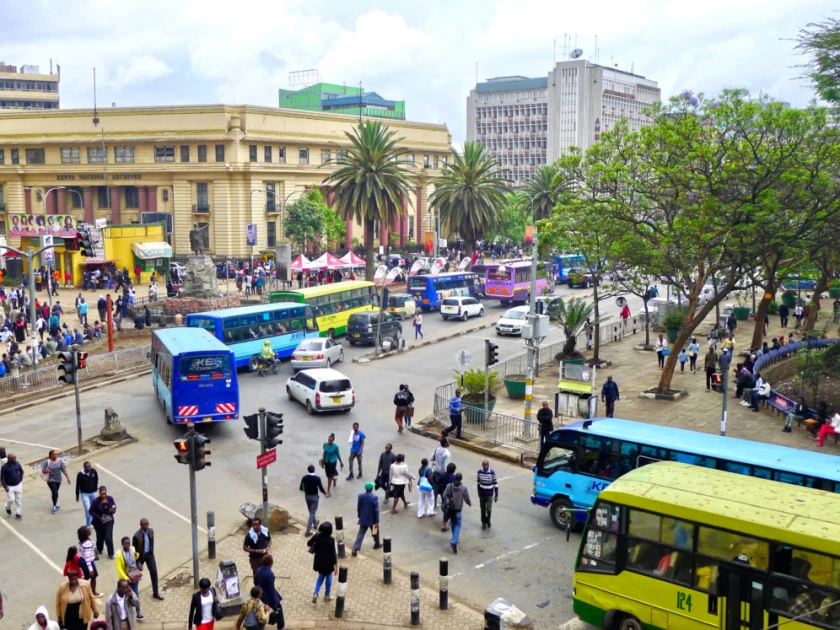
A street picture in Nairobi CBD. Photo/Courtesy
By Ruth Sang
Thousands of Kenyans are expected to face major transport disruptions on Monday after players in the transport sector commenced a nationwide strike protesting the continued rise in fuel prices and the high cost of living.
The industrial action, which officially began at midnight on Monday, May 18, 2026, is expected to paralyze movement in many parts of the country, forcing commuters to walk long distances to workplaces, schools, and business centres.
In a statement issued on Sunday, the Transport Sector Alliance announced that stakeholders across the industry had agreed to suspend operations in protest against what they described as unbearable fuel costs and harsh economic conditions.
“The Alliance confirms that all transport subsectors have resolved to stand together in one of the largest coordinated industrial actions in Kenya’s history,” the statement read.
According to the alliance, the strike affects several sectors including public service vehicles, cargo transporters, logistics companies, ride-hailing operators, boda boda riders, tourism transport providers, school buses, driving schools, and private motorists.
The operators argue that the sharp increase in fuel prices has significantly raised the cost of transport and pushed up prices of basic commodities, electricity, and other essential services.
“We can no longer sustain operations under the current fuel prices. The burden has become too heavy for transport operators and ordinary Kenyans,” one transport stakeholder said during the announcement.
The strike follows the latest fuel price review by the Energy and Petroleum Regulatory Authority (EPRA), which saw the price of Super Petrol rise by Ksh.16.65 per litre while Diesel increased by Ksh.46.29 per litre. The price of Kerosene remained unchanged.
Following the review, motorists in Nairobi will now purchase Super Petrol at Ksh.214.25 per litre, Diesel at Ksh.242.92, and Kerosene at Ksh.152.78 for the next 30 days.
In Mombasa, Super Petrol is retailing at Ksh.211.09 while Diesel costs Ksh.239.64 per litre. In Nakuru, motorists will pay Ksh.213.15 for Super Petrol and Ksh.242.33 for Diesel.
The nationwide shutdown is expected to affect businesses, schools, and daily economic activities as many commuters struggle to access transport services.
Several schools have already advised parents to keep learners at home until the situation stabilizes, citing uncertainty over transport arrangements for students and staff.
Meanwhile, leading public transport company Super Metro announced the suspension of its services until further notice in support of the strike.
“In view of the matatu strike slated for tomorrow, we will not be in operation. We shall communicate when services resume,” the company said in a statement shared on social media.
The strike now raises fresh concerns over the growing economic pressure facing Kenyan households, with many citizens expected to bear the impact of increased transport costs and interrupted services across the country.
About Author