United Against Violence: Uasin Gishu’s Bold Stand Against Gender-Based Violence
Survivors often face additional trauma when seeking justice, including hostile police encounters and sluggish court systems.
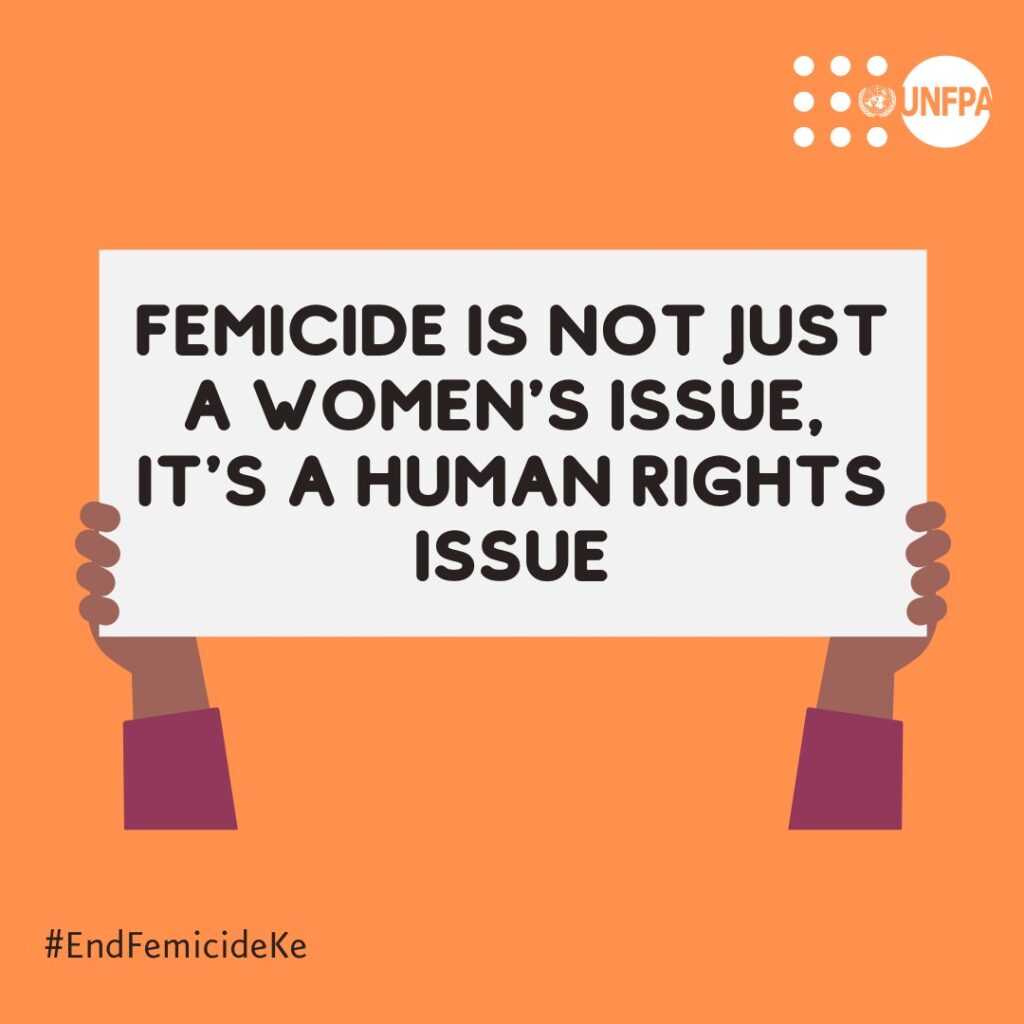
A poster displaying a femicide.
By Robert Assad
In the heart of Uasin Gishu County, a powerful wave of resistance is rising against gender-based violence (GBV). Yesterday, the county hosted a high-impact campaign that drew civil society, government officials, and local residents into a united front to combat the growing scourge of violence against women and girls.
The campaign, set against the backdrop of alarming national statistics, came at a critical moment. In Uasin Gishu alone, more than 16,000 cases of GBV were reported in the past year, underscoring the severity of the crisis.
Mercy Jepkurui, a vocal advocate for women’s rights, did not mince her words: “The statistics are alarming. We must act now before more lives are lost.”The event was not just symbolic—it was a rallying cry. From placards condemning femicide to passionate speeches about ending domestic abuse, the message was clear: enough is enough.“While the Penal Code outlines various GBV offenses, gaps still exist—especially on issues like marital rape,” noted Valentine Simei, a legal expert who spoke during the event.
Her remarks echoed broader concerns raised in a recent national memorandum that highlighted the failure of current laws and institutions to effectively address the multifaceted nature of GBV.
Indeed, this is not just a local crisis. Across Kenya, GBV and femicide have reached epidemic proportions. A memorandum submitted in March 2024 by groups including EndFemicideKE and Defenders Coalition revealed that over 500 women were murdered between 2020 and 2024—many by intimate partners.
These tragedies reflect not isolated incidents, but a systemic pattern of violence fueled by entrenched patriarchy, poor law enforcement, and institutional neglect.
Yesterday’s gathering in Uasin Gishu offered more than statistics—it offered hope. Voices from the community called for stronger enforcement of GBV laws, increased awareness campaigns, and platforms that empower survivors to speak out.
One of the most moving parts of the day came from a local women’s group that performed a skit portraying the journey of a domestic violence survivor—from silence and shame to courage and justice.
The audience, many visibly moved, responded with a standing ovation.Yet, the road ahead remains steep. Nationally, conviction rates for GBV-related crimes remain below 10%.
Survivors often face additional trauma when seeking justice, including hostile police encounters and sluggish court systems.
In rural areas, access to support services remains limited, forcing many victims into silence.The memorandum submitted to Kenya’s Technical Working Group on GBV painted an even starker picture: failure to recognize femicide as a unique offense, lack of specialized courts, and insufficient survivor support services have all contributed to the crisis.
But if the Uasin Gishu campaign proved anything, it’s that communities are not waiting for top-down solutions. They are organizing, speaking out, and demanding action.
“This is our home, and we will not let it be a place where women live in fear,” said a young university student during the open mic session. Her words captured the spirit of the event: urgent, unyielding, and fiercely determined.
About Author