UK Government and Kenyan Leaders Join Forces at Regional Disability Summit in Nairobi
Wanjau also highlighted Kenya’s commitment to disability inclusion as a key part of its Vision 2030 goals
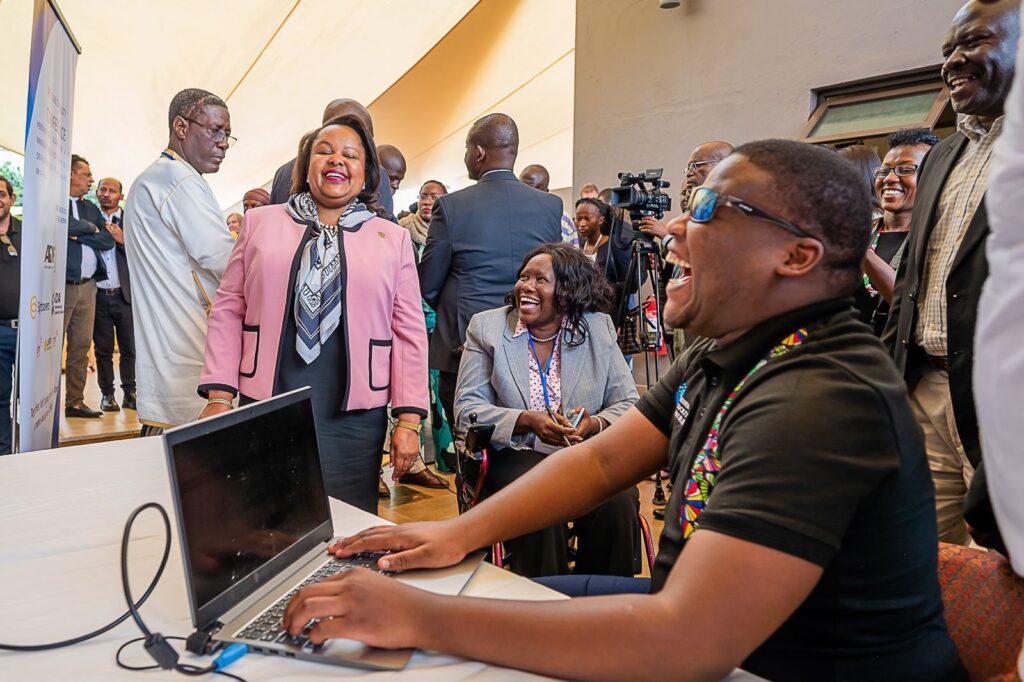
Image courtesy
The UK Government, alongside the Secretary to the Cabinet Mercy Wanjau and the African Disability Forum (ADF), participated in the regional summit titled “Persons with Disabilities in a Post-Pandemic World,” held today in Nairobi. The summit sought to address the evolving challenges faced by persons with disabilities (PWDs) in Africa, as part of the lead-up to the Global Disability Summit in April 2025.
This summit comes in the wake of technological advancements that have significantly influenced how the world engages with PWDs. Assistive technology has taken a front seat in promoting inclusivity, ensuring that PWDs have greater access to opportunities and resources.
Since the inaugural Global Disability Summit co-hosted by the UK and Kenya in 2018, both nations have committed to furthering disability inclusion. One notable achievement is the launch of Africa’s first assistive technology accelerator, InnovateNow, which supports startups working in assistive tech through mentorship, expert guidance, and ecosystem development. This programme also collaborates with Shujaaz comics to introduce characters with disabilities, challenging societal stigma and encouraging positive attitudes.
The UK’s Digital Access Programme has played a critical role in Kenya, enhancing access to government services for PWDs through platforms like e-citizen. It has also empowered over 10,000 PWDs and senior citizens in Kenya with essential digital skills.
Speaking at the event, Cabinet Secretary Mercy Wanjau emphasized the importance of continuing the progress made since 2018.
“Alongside the UK, having started the inaugural disability summit in 2018, we remain committed to disability inclusion. I applaud the Africa Disability Forum for convening this forum as it calls us to a pivotal moment of reflection. Prioritising accessibility and equity in a post-pandemic world will definitely contribute meaningfully to a shared future,” she said.
Wanjau also highlighted Kenya’s commitment to disability inclusion as a key part of its Vision 2030 goals. She noted that 2.2% of Kenyans—representing about 900,000 individuals—live with some form of disability, making inclusive policies and services essential.
“As Chair of the e-Citizen Implementation Committee, I am proud to share that following our 2023 accessibility audit of the e-Citizen platform and State House website, key improvements are being implemented to address challenges people with disabilities face when accessing the internet and government digital platforms,” Wanjau added.
Dr. Jacqueline Owigo, Social Development Advisor at the British High Commission, emphasized the necessity of global collaboration ahead of the third Global Disability Summit in 2025.
“As we look ahead to the third Global Disability Summit next year, the need for collaboration has never been more urgent. Governments, the private sector, civil society, and international partners must come together to create a more inclusive and equitable society,” Dr. Owigo remarked.
She further highlighted the success of the Inclusive Futures initiative, funded by the UK, which supports advocacy for inclusive education and policies. This programme has secured £1.8 million (KES 300 million) from county governments to develop over 250 inclusive early childhood centres by 2027, benefiting children with disabilities across Kenya.
Moses Chege,Sightsavers’ Country Director in Kenya, addressed the persistent challenges faced by PWDs globally.
“Despite some progress in recent years, people with disabilities are still being left behind. As we look towards the Global Disability Summit in Berlin in April 2025, we must urgently turn attention towards people with disabilities—who make up 16% of the world’s population and continue to be more likely to live in poverty and face barriers to education, health care, and employment,” said Chege.
The summit in Nairobi serves as a critical stepping stone toward ensuring disability inclusion remains a global priority, with key commitments from stakeholders expected to shape future policies and actions across Africa and beyond.
About Author