UK-Based Charity Equips Kenyan Youth and Women with Lifeline Skills Amid Economic Struggles
“Kenya is full of talent, but that talent must be honed through practical, hands-on training. We’re offering that opportunity completely free” Andrew McCalion
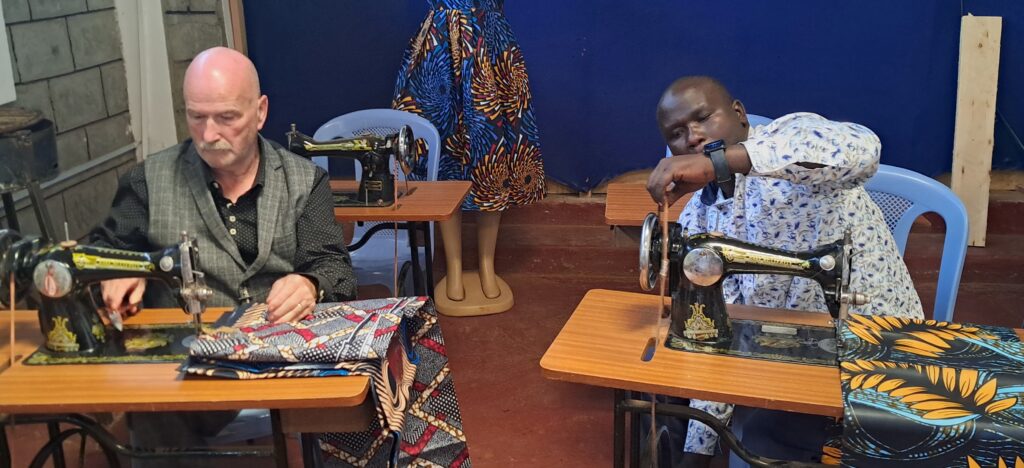
Penny Tuppence Charity CEO Andrew McCalion and Pastor Dennis Taskin of Voice of Redemption Ministries inspect a newly donated sewing machine in Eldoret. The initiative aims to empower widows and youth with tailoring skills as part of a wider vocational training program to tackle unemployment and promote self-reliance in Kenyan communities
A ray of hope is emerging from western Kenya as communities embrace a UK-based charity’s mission to equip vulnerable groups with life-changing vocational skills. Penny Tuppence Charity Enterprise, founded by philanthropist and entrepreneur Andrew McCalion, has rolled out a robust skills development program targeting youth, widows, and low-income families in Eldoret and surrounding regions.
In a country grappling with high youth unemployment and a widening mismatch between labor market needs and formal education, the charity’s initiative couldn’t be timelier. According to the Kenya National Bureau of Statistics (KNBS), the unemployment rate among youth aged 20-24 stands at over 16%, while 53% of employers report difficulties finding workers with the right skills — a clear indication of the country’s critical skills gap.
“We’re not here for charity’s sake — we’re here to build capacity,” said Andrew McCalion, CEO of Penny Tuppence. “Kenya is full of talent, but that talent must be honed through practical, hands-on training. We’re offering that opportunity — completely free — because we believe in empowering people to thrive independently.”
The charity currently offers vocational training in carpentry, welding, tailoring, food production, and packaging — sectors with immediate market relevance. The approach aims to not only reduce dependency but also foster grassroots entrepreneurship and local job creation.
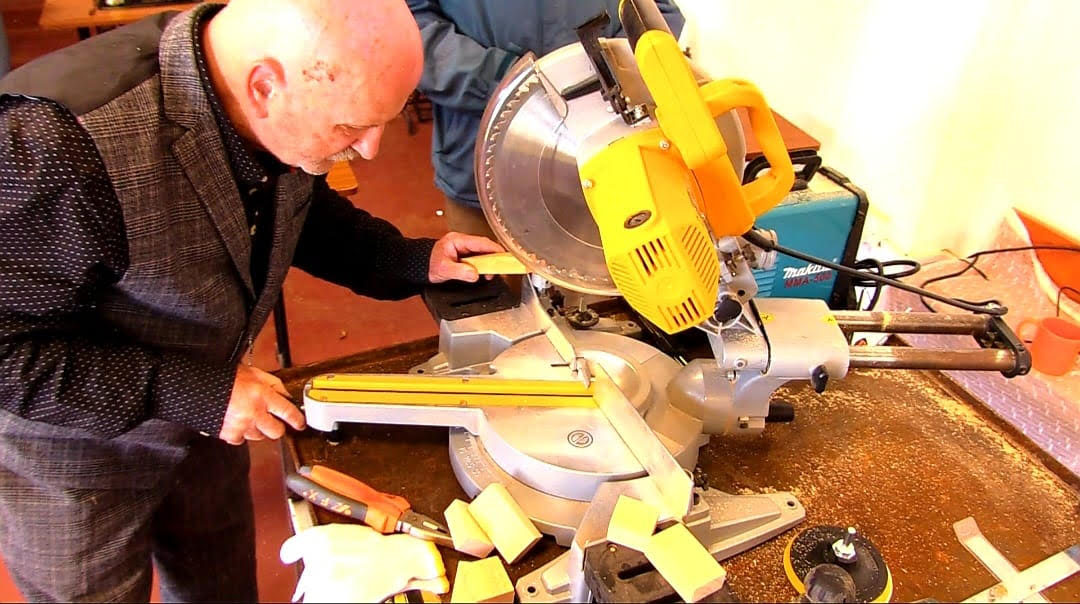
“Kenyans, especially the youth, must start valuing time. Every hour wasted is a missed opportunity to grow,” McCalion emphasized. “You don’t need to migrate to Europe to succeed. The answers — from sustainable energy to insurance and healthcare — lie right here in Kenya.”
Faith Meets Practical Transformation
Partnering with McCalion on the ground is Pastor Dennis Taskin, founder of Voice of Redemption Ministries, who has helped anchor the charity’s work within the local church and community networks.
“Andrew’s mission aligns with our calling — to uplift the whole person, spiritually and economically,” Pastor Taskin said. “We’ve already distributed sewing machines and started organizing classes, especially for widows and jobless youth. Our goal is to help them not only learn but also find employment or start businesses afterward.”
Voice of Redemption operates in Bungoma and Mount Elgon, with plans to expand the training hubs as more demand grows. The church estimates it will reach thousands through these skill-based empowerment programs.
Stories of Change
Among the many success stories is David Malenya, who enrolled in the food production class and has since begun offering healthy, natural meals.
“I’ve learned how to make nutritious foods even for people with health conditions,” Malenya said. “There are so many opportunities in Kenya. We need to stop complaining and start acting. I urge the government to support youth-led initiatives like this — they fight unemployment directly.”
Fredrick Wamalwa, a former boda boda operator, joined the carpentry program with no prior experience and now crafts furniture.
“I knew nothing about carpentry, but now I’m building beds and chairs,” Wamalwa said proudly. “To my fellow youth — this program is free. Let’s take it seriously. And I call upon the government to support and fund such projects. They are changing lives.”
Bridging Kenya’s Skills Divide
Kenya’s Vision 2030 and ongoing Bottom-Up Economic Transformation Agenda (BETA) emphasize industrialization and MSME growth — yet implementation has lagged due to a lack of skilled labor. The World Bank notes that only 6% of Kenyan youth in the labor force have undergone formal vocational training, leaving many unprepared for evolving market demands.
Penny Tuppence’s approach blends compassion with long-term impact, positioning skills training as a sustainable pathway out of poverty.
“We’re already looking into biogas, insurance, and healthcare projects,” McCalion revealed. “This is not a one-off initiative — we’re here for the long haul to help shape a self-sufficient, entrepreneurial Kenya.”
As registration opens for the next intake of trainees, and with testimonies already circulating across the region, the charity’s footprint is steadily expanding. The model being championed by Penny Tuppence is proving that where skills go, hope follows — one youth, one widow, and one community at a time.
About Author