Uasin Gishu Journalists Trained on Digital Media Literacy and Cybersecurity
“Journalists themselves are not immune to information disorder. Without proper verification skills, even credible professionals can unknowingly spread false or misleading content,”
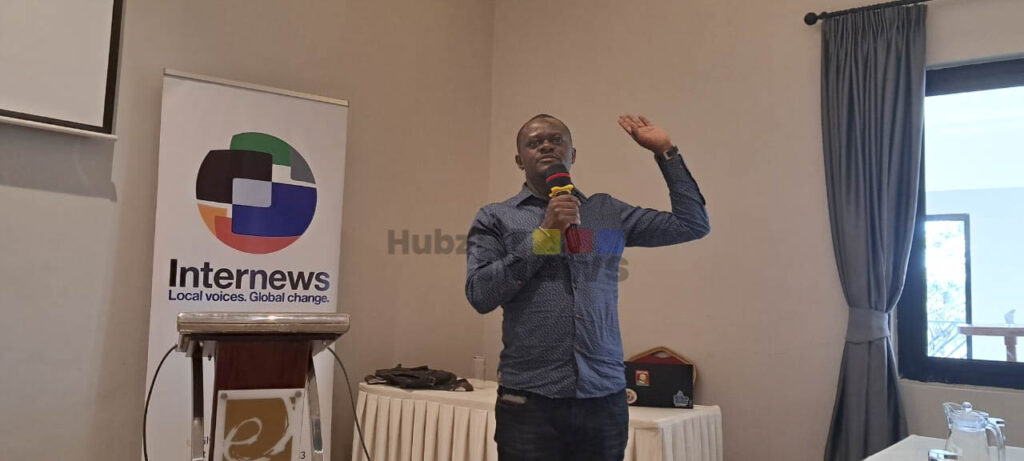
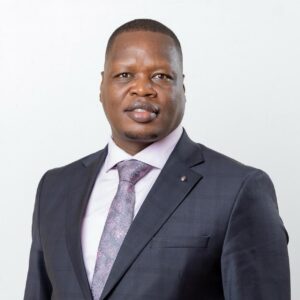
Internews’ Abraham Marita addresses journalists during a Digital Media Literacy and Cybersecurity training in Eldoret, Uasin Gishu County. The two-day workshop aimed to equip reporters with skills in fact-checking, digital verification, and online safety.
Journalists in Eldoret, Uasin Gishu County, have undergone a two-day intensive training on Digital Media Literacy and Digital Security, aimed at enhancing professionalism and online safety in the evolving digital media landscape.
The workshop organized by Internews in partnership with KenSafeSpace and other stakeholders, with support from the European Union (EU). The training also brought together journalism students from Moi University.
Abraham Mariita, from Internews, emphasized that strengthening journalists’ understanding of digital media literacy is critical in combating the growing threat of information disorder. He outlined the three key forms of false information—misinformation (false but not intended to harm), disinformation (false and intentionally harmful), and malinformation (true but shared to cause harm).
“Journalists themselves are not immune to information disorder. Without proper verification skills, even credible professionals can unknowingly spread false or misleading content,” said Marita.
“Digital verification tools are now indispensable for journalists seeking to maintain integrity and protect themselves from online manipulation.”
Participants were trained on a range of verification tools, including InVID for video verification, Google Earth for geolocation, TinEye and Google Images for reverse image searches, and Photo Forensics for analyzing metadata and image authenticity.
Media Council of Kenya (MCK) Regional Coordinator, Joseph Mecha, lauded the initiative, describing digital literacy as “the foundation of responsible journalism in the digital era.”

“The media wields enormous power to shape public perception and promote civic engagement. As we approach an election period, such training ensures journalists share credible, verifiable information that fosters peace and unity rather than division,” Mecha stated.
The session also covered digital security to help journalists safeguard against cyber threats such as identity theft, account hacking, extortion, and social engineering scams.
Cybersecurity expert Eric Masinde warned that journalists are frequent targets of online attacks because of their visibility and the sensitivity of their work.
“As journalism increasingly depends on digital platforms and data, cybersecurity is no longer optional—it’s a necessity,” Masinde noted. “Reporters must adopt encryption tools, VPNs, and secure communication platforms to protect their data and sources.”
He highlighted common cyber threats journalists face, including phishing, ransomware, data breaches, hate speech, online harassment, and unethical use of Artificial Intelligence (AI).
Moi University journalism lecturer, Mr.Juma Musakali, commended the initiative, saying it bridges the gap between academic training and real-world newsroom challenges.
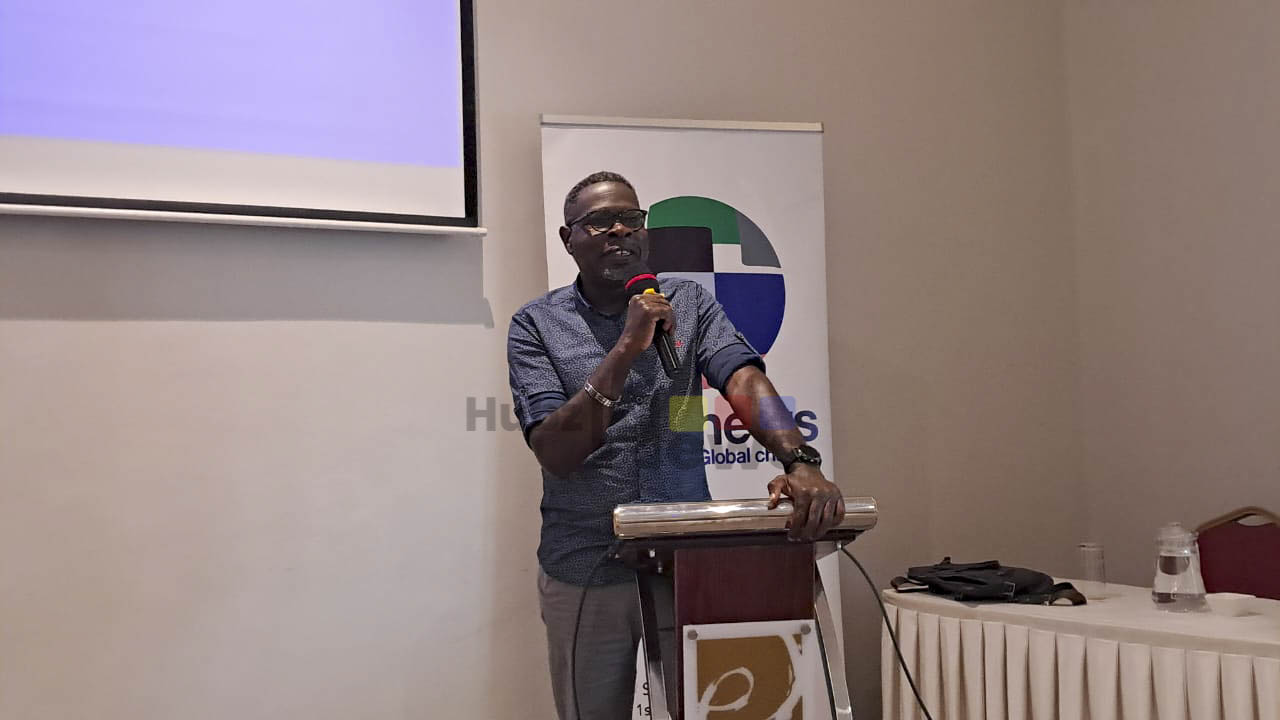
“Digital media literacy and cybersecurity are no longer optional skills for journalists—they are essential professional competencies,” said Musakali. “As educators, we must continue working with partners like Internews to ensure our students and practicing journalists are well equipped to operate safely and ethically in a fast-changing media environment.”
Uasin Gishu Journalists Association Chairperson, James Gitaka, praised the organizers, stressing that fact-checking and digital safety are essential, especially ahead of the election season.
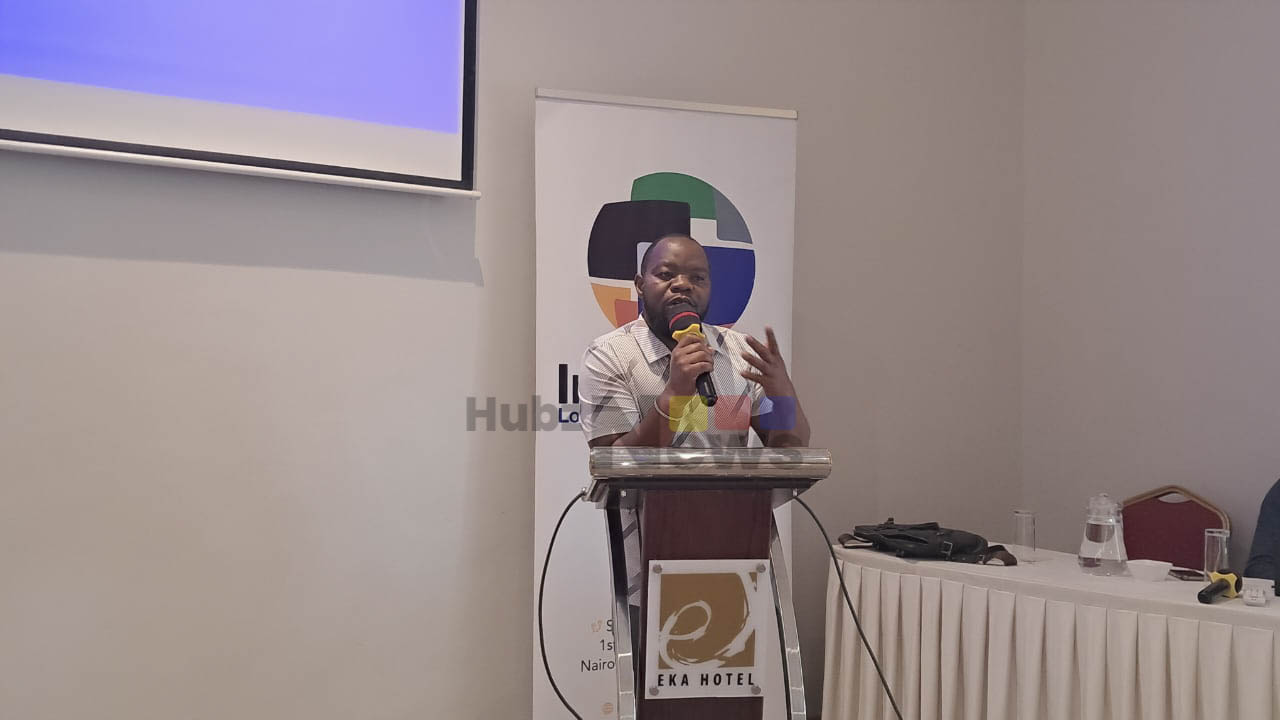
“This training has sharpened our skills to verify information before publication and protect ourselves online. It will help restore public trust in journalism and curb the spread of misinformation and disinformation,” Gitaka said.
The training forms part of a broader effort by media development partners to strengthen local media resilience, enhance press freedom, and promote credible journalism in the digital age.
About Author