Tanzania’s President Samia Suluhu to Be Sworn In Amid Opposition Claims of Mass Killings
TBC announced that the inauguration ceremony would be held privately at the State House in Dodoma and not in a public stadium, citing security concerns.
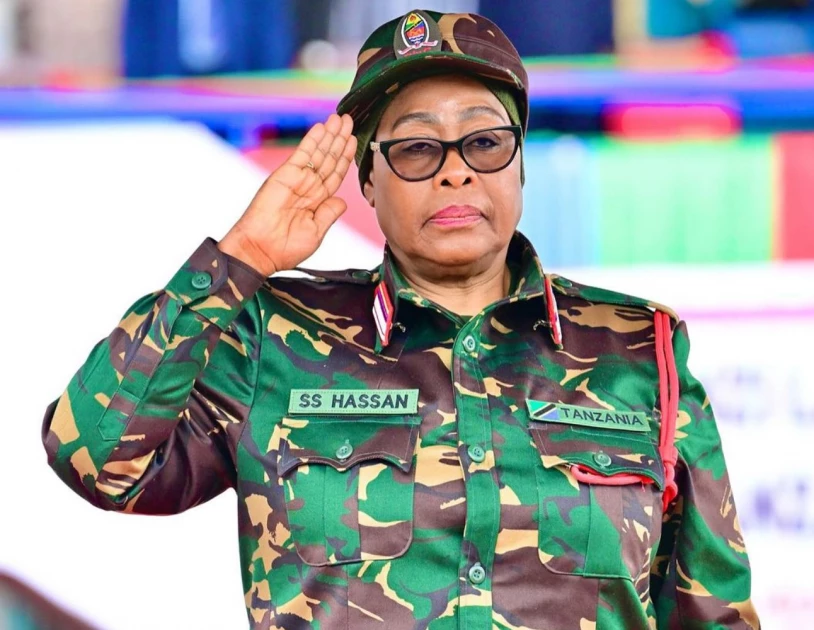
The government of President Suluhu is accused by rights groups of overseeing a "wave of terror" prior to the election, characterized by abductions, intimidation, and a security clampdown. Photo/courtesy.
By Ruth Sang
President Samia Suluhu Hassan of Tanzania was to be sworn in on Monday amid a tight internet blackout across the country following violent protests linked to last week’s disputed elections. Hundreds of people were killed by security forces in a crackdown on demonstrators, the opposition alleges, casting a dark shadow over the president’s overwhelming victory.
According to the results announced by the Tanzanian Electoral Commission, Suluhu won 98 percent of the vote in the election. However, the main opposition party, Chadema, which had been barred from participating, dismissed the results as fraudulent and called for a new election, labeling last Wednesday’s poll a “sham.”
In a break with tradition, state broadcaster TBC announced that the inauguration ceremony would be held privately at the State House in Dodoma and not in a public stadium, citing security concerns. The continued internet shutdown since election day has made it difficult for journalists and observers to verify reports coming from various regions of the country.
A diplomatic source told AFP there were credible indications that hundreds, probably thousands, had died in hospitals and clinics around Tanzania because of the violence. Chadema said it had documented at least 800 deaths by Saturday, but independent verification is impossible in the face of the ongoing blackout and tight government control over information.
Authorities, for their part, have denied excessive use of force and so far have issued no statement about the alleged deaths. Schools and colleges remained closed, and public transportation was mostly paralyzed on Monday.
The same diplomatic source expressed concern that police were exploiting the internet shutdown to locate opposition members and civilians suspected of filming or sharing videos of last week’s atrocities. Reports indicate that security forces in cities like Dar es Salaam have been conducting widespread identity checks, restricting movement, and allowing shops to open only for limited hours.
On semi-autonomous island of Zanzibar, armed men in masks patrolled the streets without insignia after the election, AFP journalists saw. A Kenyan human rights group published videos showing what it said were bodies piled up in the streets although their authenticity has not been verified.
Members of the international community have voiced increasing concern. Pope Leo XIV called for prayers for Tanzania and encouraged citizens to pursue peace and dialogue; UN Secretary-General António Guterres expressed alarm over reports of deaths and injuries during the demonstrations.
Analysts say President Suluhu, who came to power in 2021 after the sudden death of former President John Magufuli, wanted a decisive victory that would consolidate her powers within the party in power. The government of President Suluhu is accused by rights groups of overseeing a “wave of terror” prior to the election, characterized by abductions, intimidation, and a security clampdown.
Despite a heavy military presence, election day quickly descended into chaos with protesters pulling down campaign posters and clashing with police. The violence resulted in an internet shutdown, curfews being imposed, and widespread fear throughout the nation. The UN and international rights groups continue to monitor the situation closely as Tanzania faces one of its worst political crises in decades, overshadowing what was meant to be a symbolic moment of democratic transition.
About Author