Six Refugee Athletes Carry Olympic Dreams From Kaptagat to Historic Dakar Games
And when they take their places on the starting line or step onto the competition mat, their first race will already have been won: the race to get there.
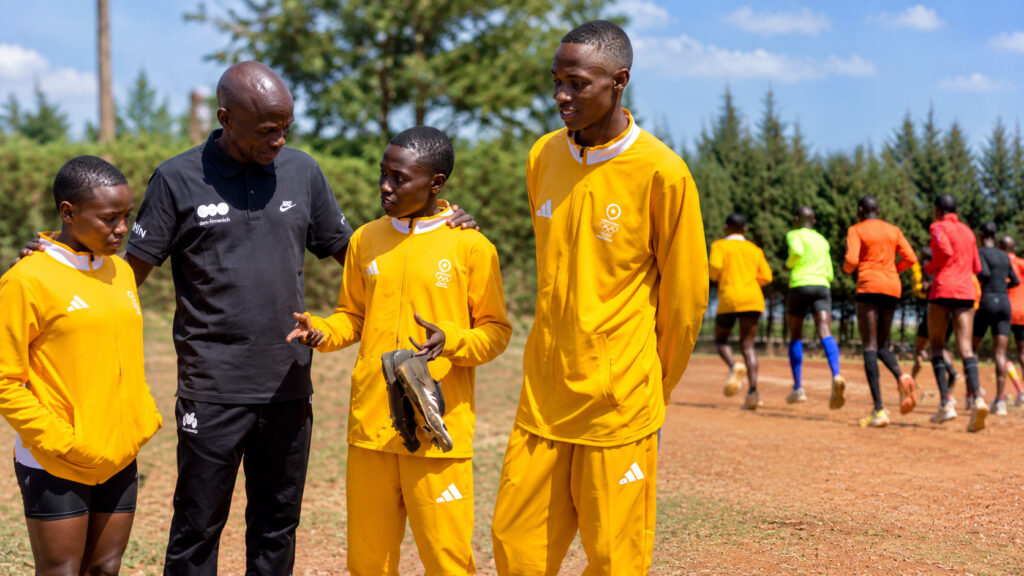
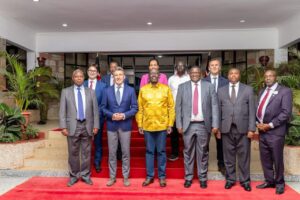
Double Olympic marathon champion Eliud Kipchoge meets six refugee athletes heading to Dakar, offering inspiration and guidance as they prepare to take on the international athletics stage. Photo by James Gitaka.
By James Gitaka
For weeks, the road to Dakar has begun long before the athletes reach Senegal.
It has started on the training grounds of Kaptagat, in Kenya’s high-altitude running country, where six young refugee athletes have been putting themselves through demanding physical and mental preparations for a sporting opportunity few could have imagined when their lives were disrupted by displacement.
Rashid Rechene, Florence Masimbi, Clement Niyomuhoza, Nyataba Kuek, Lourance Namukiza and Arno Yfunga are preparing to become part of Olympic history when they compete at the Dakar 2026 Youth Olympic Games.
They will form the first-ever Youth Refugee Olympic Team to compete at the Youth Olympic Games — a milestone that gives their participation significance far beyond the results recorded on the track or competition mat.
The Dakar Games, scheduled for October 31 to November 13, will also be the first Youth Olympic Games staged in Africa. About 2,700 athletes aged up to 17 are expected to participate.
For the six refugee athletes, however, the significance of Dakar is deeply personal.
Their journey has taken them from displacement and uncertainty to an international sporting stage, with Kenya and Uganda providing important parts of the pathway that has brought them to the Games.
From Kaptagat to Dakar
At Complete Sports in Kaptagat, Uasin Gishu County, the athletes have spent weeks sharpening their physical abilities while learning to function as a team.
The camp has provided an opportunity to build team cohesion while preparing the athletes for the physical and psychological demands of their first Olympic experience.
Their preparation has also given them a chance to develop confidence and understand what it means to compete internationally against athletes representing countries from around the world.
The team will compete in athletics, judo and taekwondo.
Among them is 16-year-old Rashid Rechene, a Congolese sprinter who sought refuge in Uganda. For Rechene, the 200 metres in Dakar will offer an opportunity to measure his development against some of the world’s most promising young athletes.
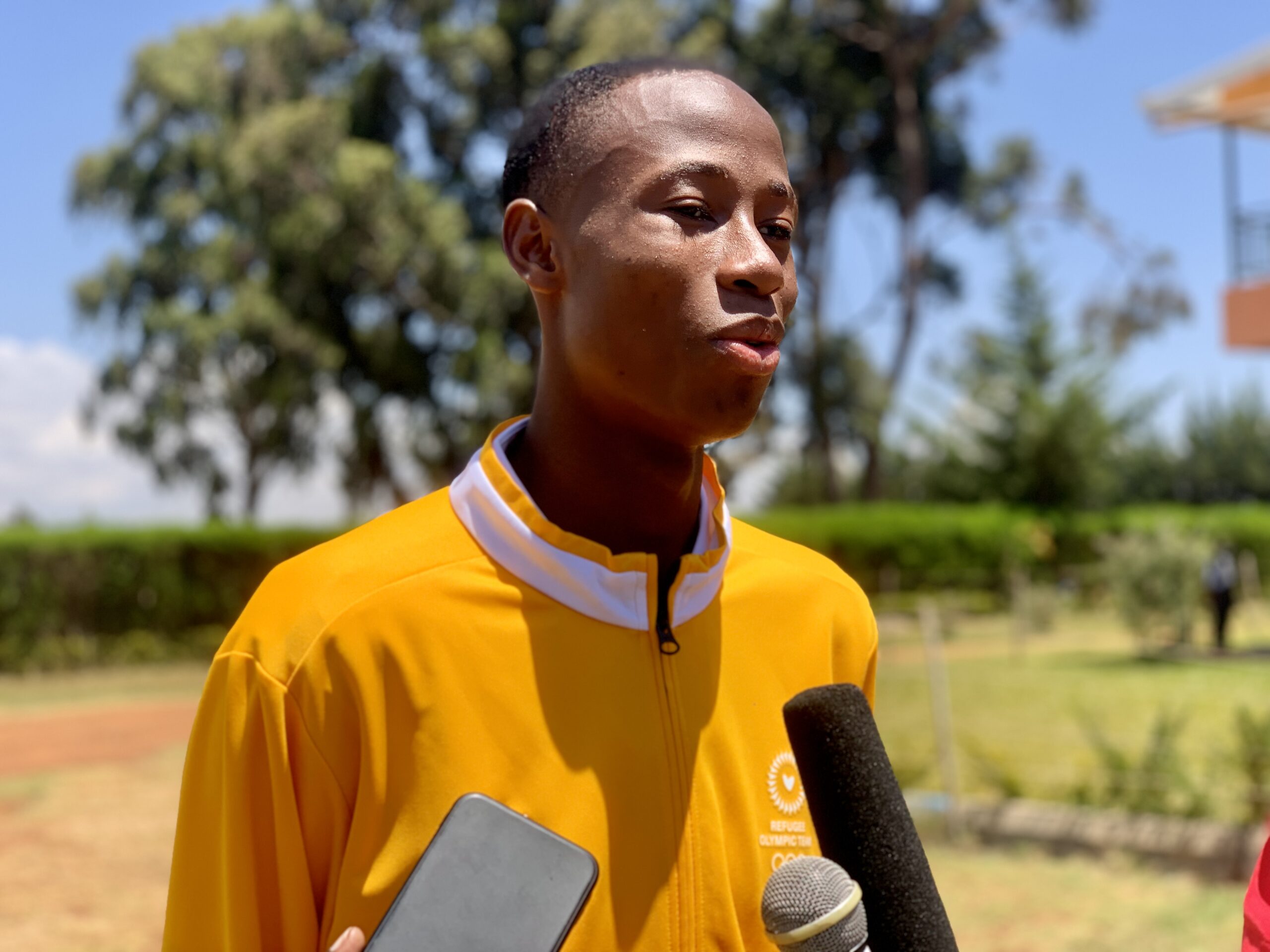
“Dakar 2026 is a great chance for us as refugee youth. The training is good and we like the facility. I have made progress in my speed and time. I now know my potential and I’m sprinting better and faster,” Rechene said.
His words capture the central theme of the refugee team’s preparation: opportunity.
For young athletes whose lives have been shaped by circumstances beyond their control, simply reaching an international competition represents a considerable achievement.
Florence Masimbi, also 16, will compete in sprinting. She says the encouragement of coaches and mentors has provided additional motivation as the athletes prepare for the youth sporting showpiece.
Clement Niyomuhoza, 16, and 17-year-old Nyataba Kuek will contest the 800 metres, while Arno Yfunga will compete in judo and Lourance Namukiza in taekwondo.
Their events may be different, but their destination is the same.
Dakar.
A first for the Youth Olympic Games
The International Olympic Committee has confirmed that Dakar 2026 will be the first Youth Olympic Games to include a Youth Refugee Olympic Team.
The initiative extends the Olympic movement’s broader effort to ensure that displaced young people can access sport and the opportunities that come with it.
The Youth Olympic Games are designed not only as elite sporting competitions but also as events centred on young athletes, education, cultural exchange and development.
That makes the refugee team’s inclusion particularly significant.
The six athletes will compete alongside young athletes representing national Olympic committees, while taking part in an event designed to bring together young people from different backgrounds through sport.
For the refugee athletes, that experience could prove as important as their individual results.
A sporting response to a global displacement crisis
The team’s arrival on the Olympic stage comes at a time when forced displacement remains one of the world’s defining humanitarian challenges.
UNHCR estimates that 117.8 million people were forcibly displaced worldwide at the end of 2025, driven by persecution, conflict, violence, human rights violations and other causes.
Children account for a substantial share of that population, with UNHCR estimating that about 45 million forcibly displaced people were children under the age of 18.
The global figures provide a sobering backdrop to what might otherwise appear to be a straightforward sporting story.
Behind the refugee team’s appearance in Dakar is a wider question about how displaced young people can maintain access to education, sport, community and opportunity after being forced from their homes.
Sport cannot resolve forced displacement.
But for young refugees, it can provide structure, belonging, physical activity and a pathway through which talent can be recognised.
That is the space the Dakar team now occupies.
Kenya’s role in the journey
Kenya has played an important role in the athletes’ preparations.
The team has trained at Complete Sports in Kaptagat, an area internationally associated with Kenya’s distance-running culture. The environment has enabled the athletes to train together while developing the discipline and resilience required for high-level competition.
Double Olympic marathon champion Eliud Kipchoge, who serves as a World Athletics Refugee Athletes mentor, has also been part of the wider support network around refugee athletes.
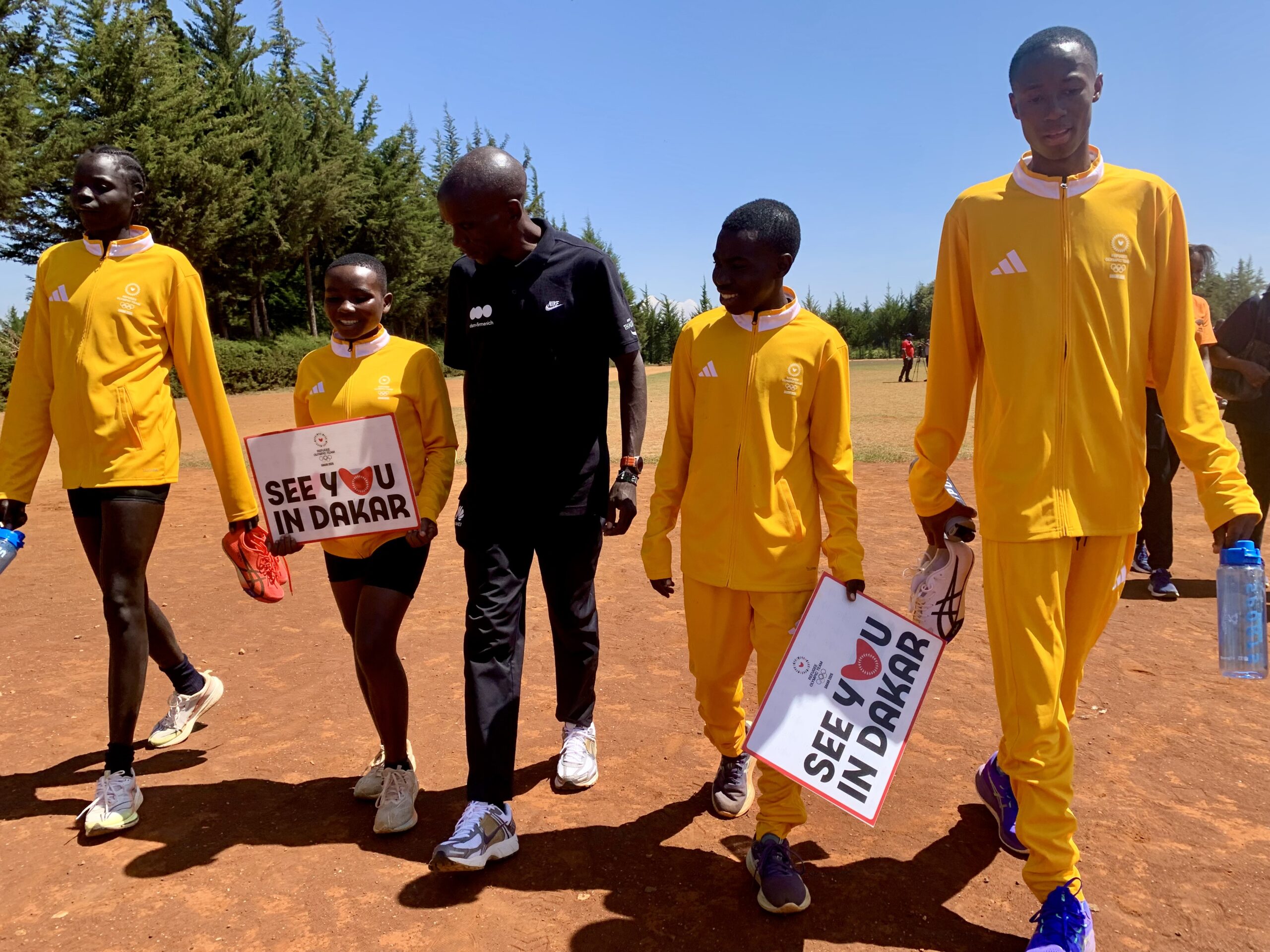
Kipchoge has spoken about the importance of giving refugees opportunities to pursue their sporting ambitions and demonstrating that displacement should not prevent young people from developing their talents.
For the athletes in Kaptagat, his involvement offers a connection to one of Kenya’s most celebrated sporting figures at a crucial stage of their development.
Barnaba Korir, First Deputy President of the National Olympic Committee of Kenya, said Kenya had opened opportunities for the athletes to participate in local competitions, including school games and Athletics Kenya events.
“Kenya has given them a chance to compete in school games and Athletics Kenya events. We want to show the world that they are able to compete at the global stage and see what Kenyans have done,” Korir said.
The approach is important because development cannot be built around a single international competition.
Young athletes require regular competition, coaching, access to facilities and a safe environment in which to train.
Building a pathway beyond Dakar
The refugee team’s participation is also part of a wider effort to create sustainable sporting opportunities for displaced athletes in the region.
The International Olympic Committee and the Olympic Refuge Foundation have brought the team together with support from the National Olympic Committees of Kenya and Uganda, World Athletics, Athletics Kenya, UNHCR and the national judo and taekwondo federations.
World Athletics representative Alice Annibali said the global governing body was working with Athletics Kenya to incorporate refugees into local competitions, including cross-country, while strengthening safeguarding measures.
That could provide an important bridge between international opportunities and everyday sporting development.
For a 16-year-old athlete, competing in Dakar is an extraordinary experience. But the greater measure of success may ultimately be whether the opportunity leads to continued access to sport after the Games.
The wider Refugee Athlete Support programme and the work of the Olympic Refuge Foundation are intended to help displaced athletes continue training and competing while expanding access to sport for refugee communities.
Africa’s moment
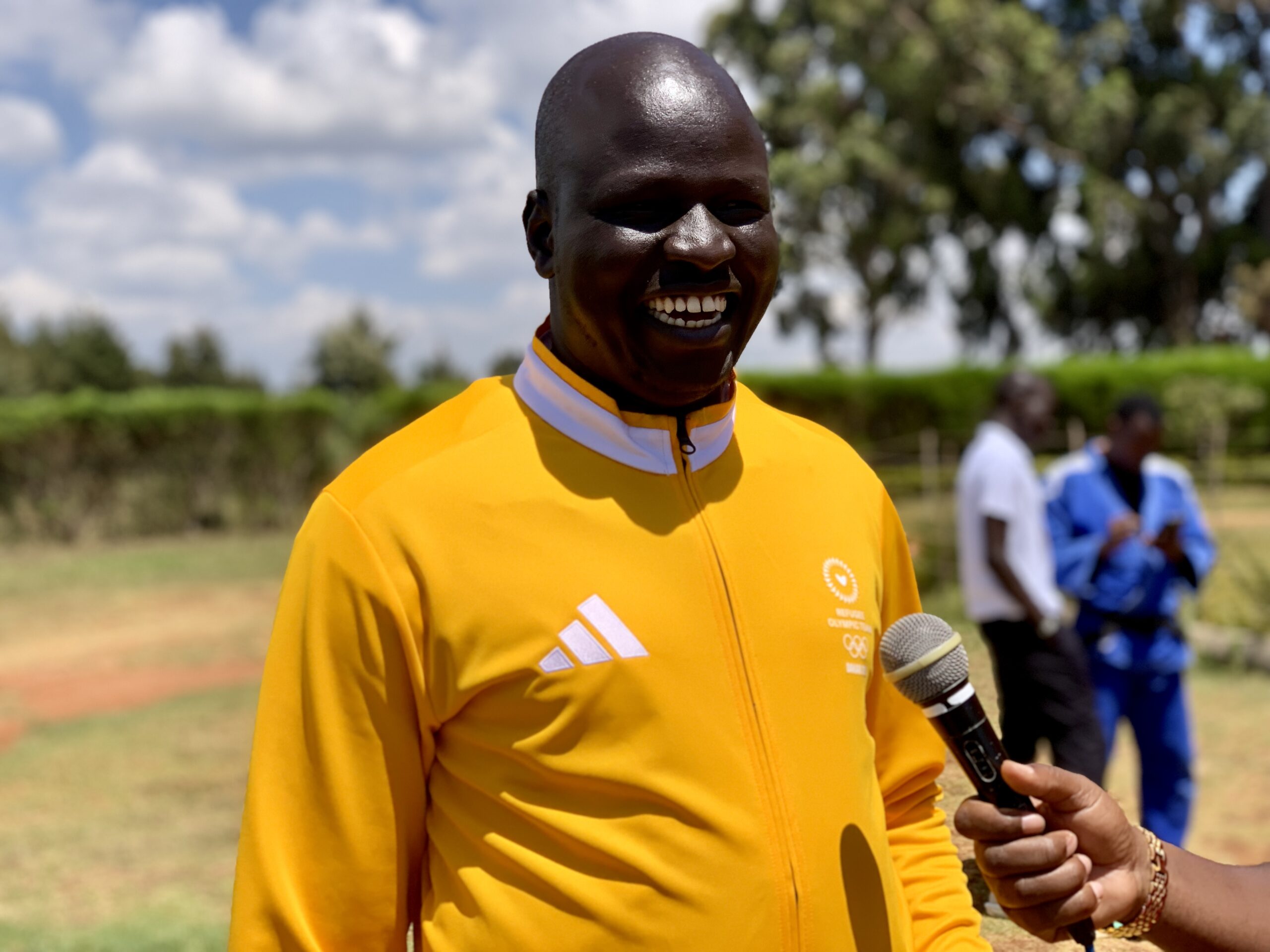
For Yiech Pur Biel, the team’s Chef de Mission, the location of the Games gives the occasion additional meaning.
“Dakar will mean a lot for Africa and refugees. It means a lot to us because Africa hosts the largest number of refugees. They are creating chances for talents in Africa and the globe,” Biel said.
His comments point to another important dimension of the story.
Africa is not simply hosting another international sporting event. Dakar represents the continent’s first opportunity to host the Youth Olympic Games.
The refugee team’s presence adds another layer to that history.
Across the continent, millions of refugees and asylum-seekers live in countries that have provided them with protection and shelter. For the young athletes competing in Dakar, therefore, the Games are taking place on a continent where displacement is not an abstract global statistic but a lived reality for millions.
A stage for the next generation
The first Youth Refugee Olympic Team will enter Dakar alongside thousands of young athletes representing countries from around the world.
They will not compete under the national colours of the countries they fled or a single host nation.
Instead, they will represent a team built around a shared experience of displacement and a common pursuit of sporting opportunity.
For Rechene, the immediate objective is straightforward.
He wants to run faster.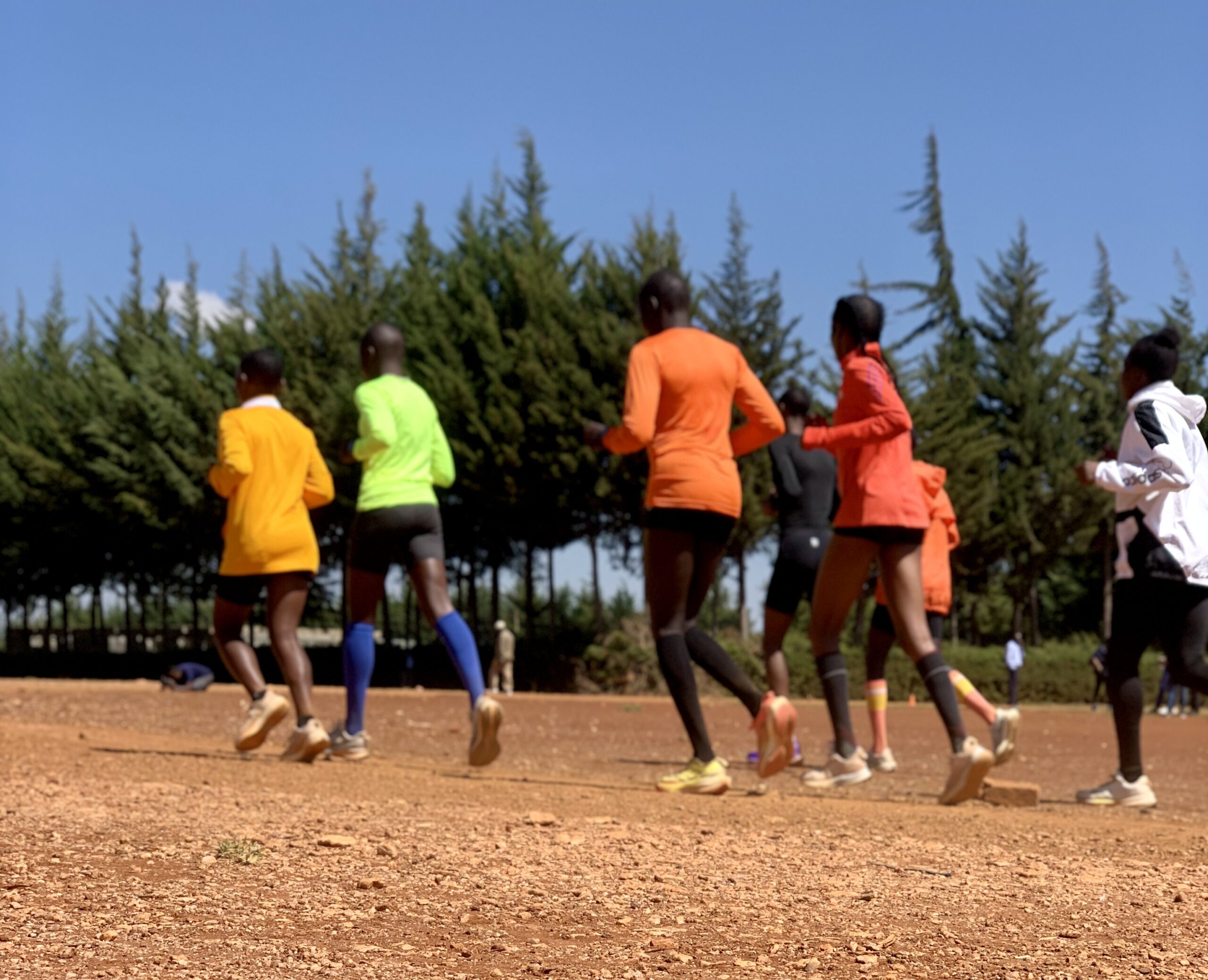
For his teammates, the goals are similarly competitive — to perform, improve and test themselves against the best young athletes in their events.
Yet their presence carries a message larger than any individual result.
They are proof that refugee children and young people are not defined solely by the circumstances that forced them from home.
They can be sprinters.
Middle-distance runners.
Judoka.
Taekwondo athletes.
They can be competitors.
And in Dakar, for the first time at a Youth Olympic Games, they will compete as members of a Youth Refugee Olympic Team.
When the Games open on October 31, the six athletes will carry with them the work of weeks in Kaptagat and the hopes of a much larger refugee community.
The medals, if they come, will tell only part of the story.
The more enduring achievement may be that they were given the chance to compete at all.
For six young athletes who have already crossed borders in search of safety, Dakar will represent another kind of crossing — from displacement to opportunity, from uncertainty to competition, and from the margins of the sporting world to its biggest youth stage.
And when they take their places on the starting line or step onto the competition mat, their first race will already have been won: the race to get there.
About Author