Sifuna Rejects Report on ODM–UDA 10-Point Agenda, Terms KICC Event Misleading
The report resulted from a consultative and systematic process which gathered evidence and views from various sources.
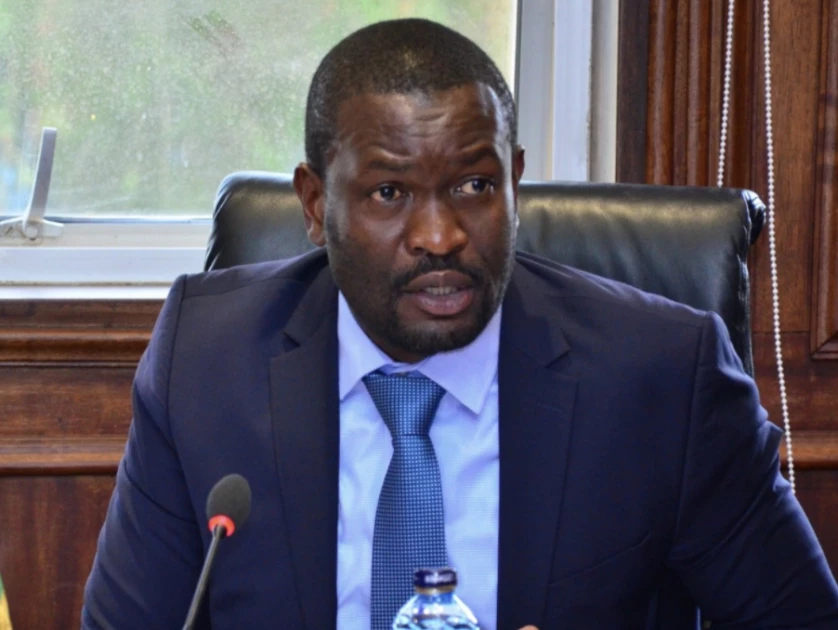
ODM Secretary General Edwin Sifuna during a past party function. Photo/Courtesy
By Ruth Sang
Nairobi Senator Edwin Sifuna has dismissed claims that the 10-point agenda agreed upon between the Orange Democratic Movement ODM and the Kenya Kwanza administration has been successfully implemented because the process has not been handled transparently.
Sifuna criticized the committee that was responsible for executing the agenda because it did not fulfill its assigned duties. He stated that the committee needed to deliver progress reports every two months while finishing its complete report by March 7 2026. He noted that this date also marked the official end of the agreement period.
Sifuna asserted that the final report was neither submitted within the stipulated deadline nor publicly presented as expected. He claimed that the committee briefed only a small number of people in order to create the false impression that the memorandum of understanding MOU had been executed.
Concerns Over Transparency
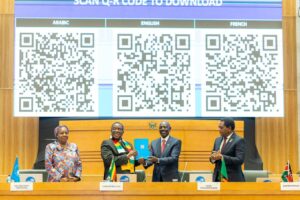
Sifuna strongly criticized the event at the Kenyatta International Convention Centre KICC because he believed it created wrong information through its staged presentation. He maintained that the gathering served to show the public that the agreement had met its objectives while he believed no actual progress had been achieved.
Sifuna described the events that occurred yesterday as disgraceful because they made Kenyans believe the MOU had been completely executed when it had not.
He pointed to the KICC event because some participants had openly challenged the President about the report details that were presented at the event.
Dispute Over Extension of Committee Mandate
The Nairobi Senator alleged that President William Ruto tried to extend the oversight committee’s authority for an extra 60 days. According to Sifuna this proposal contradicts earlier remarks made by ODM leader Oburu Oginga who had suggested that the agreement did not have a specific time limit for implementation.
Sifuna questioned whether the ODM Parliamentary Group held the power to make extension decisions. He argued that under the ODM party constitution such matters fall under the jurisdiction of the party’s National Executive Committee NEC which oversaw both the agreement and the monitoring process.
He announced that every attempt to extend the committee’s mandate would violate constitutional law and thus be considered invalid
Need for Measurable Progress
Sifuna insisted that the success of the 10-point agenda should be determined by clear and measurable outcomes rather than assumptions or speculation. He identified key issues that should demonstrate progress because they involve reports about abductions and extrajudicial killings and the allocation of revenue to county governments and the protection of political party identity and autonomy.
The government needs to resolve these matters because they currently remain unresolved.
Plans to Release an Alternative Report
Sifuna announced that his team is preparing what he described as a true report on the status of the 10-point agenda. The document will show all operational failures that he believes occurred during implementation of the agenda items.
The oversight committee used its final mandate period to operate public hearings as a cover for its national activities. The committee should have worked directly with the executive branch because it holds the responsibility for rolling out the agenda according to his view.
Sifuna stated that the solutions to the 10 agenda items rest squarely with the administration of President William Ruto while the committee should have demanded accountability from the executive at State House.
Emphasis on Accountability and Constitutional Values
The agreement debate connects closely to constitutional principles which require leaders to keep their promises according to Sifuna.
He explained that his team will release a report which developed through extensive consultations and analysis. The team engaged with the public while they reviewed government records and examined parliamentary proceedings about relevant legislation and analyzed feedback that came through phone calls emails and surveys.
The team assessed executive branch activities while they assessed judicial decisions that dealt with constitutional governance and the rule of law. Reports from independent organizations and civil society groups were also considered during the research process.
Sifuna maintained that the findings are based on a structured and thorough methodology.
Our presentation consists of materials which we developed based on actual evidence according to him. The report resulted from a consultative and systematic process which gathered evidence and views from various sources.
About Author