Ruto Unveils Protest Victim Payout Plan
The government has not indicated how qualified victims will be determined, how much each is to be compensated, or how the programme will be funded.
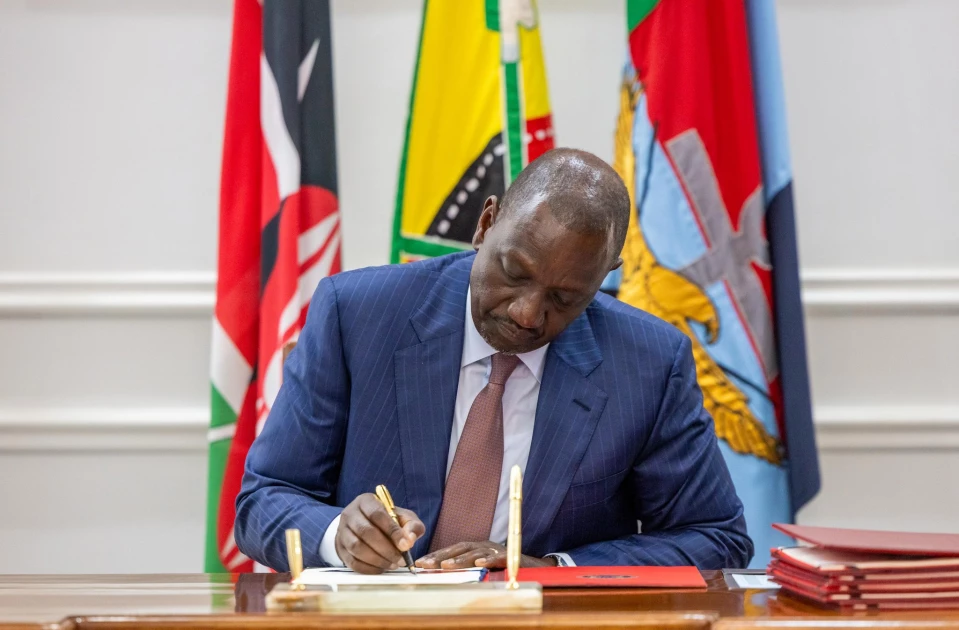
Ruto appointed Prof. Makau Mutua, his Senior Advisor on Constitutional Affairs and Human Rights, to be the overall coordinator of the compensation exercise. The framework will establish clear mechanisms for accountability, redress, and reparations. Photo/ Citizen Digital
By Juliet Jerotich
President William Ruto has initiated a new program to compensate civilians and security officers who were either killed or injured during demonstrations and public protests in Kenya since 2017.
In a statement issued on Friday, Ruto said the programme is aimed at promoting constitutional rights while fostering civic responsibility. It also seeks to stop the human suffering and economic losses that arise from violent protests.
The right to picket and demonstrate is protected in the Constitution, yet some demonstrations have regrettably turned violent, resulting in injury and death,” the statement read.
The program will run for 120 days and will be led by the Executive Office of the President. It will work closely with the Office of the Attorney General, the Ministry of Interior and National Administration, the National Treasury, and other key state organs.
Ruto appointed Prof. Makau Mutua, his Senior Advisor on Constitutional Affairs and Human Rights, to be the overall coordinator of the compensation exercise. The framework will establish clear mechanisms for accountability, redress, and reparations. These entail assistance to police officers who were injured in the line of duty during unrest.
Compensating protest victims, while safeguarding the right to peaceful assembly, was one of the 10 significant commitments President Ruto and Raila Odinga made when they chose to establish a wide-ranging administration.
Although the announcement outlines the administrative structure, several details are uncertain. The government has not indicated how qualified victims will be determined, how much each is to be compensated, or how the programme will be funded.
The move comes as Kenya continues to grapple with balancing the right to freedom of assembly with maintaining public order. Demonstrations in recent years have often turned violent, leaving deaths, injuries, and destruction of property in their wake.
The government hopes the blueprint will not only deliver justice to victims but also ensure peaceful demonstrations going forward. Officials say the plan is also part of broader efforts at unity, accountability, and reconciliation across the country.
By way of compensation for victims and recognition of the sacrifices of protesters and law enforcers alike, the government hopes to turn a new page in the handling of public discontent.
About Author