Ruto Defends State House Church: I Owe No One an Apology
He often attends church events, regularly references scripture in his speeches, and has even led national prayer services from State House.
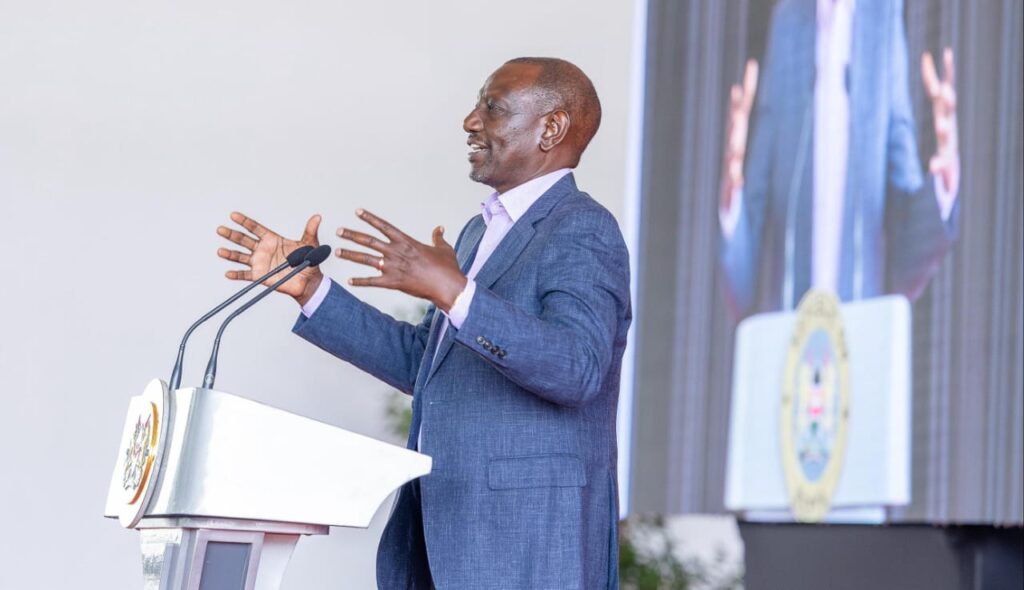
President William Ruto. Photo/William Ruto.
By Robert Assad
President William Ruto has come out strongly to defend the construction of a church within the State House compound, insisting the project is privately funded and reflects his personal faith, not a misuse of public resources.
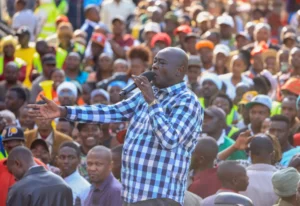
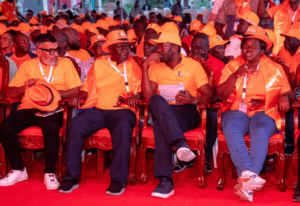
Speaking on Thursday while hosting leaders from Embu County, led by Governor Cecily Mbarire, the Head of State dismissed criticism over the project, declaring that he owes no one an apology.
“Mimi ni mtu naamini kwa Mungu, and I have no apologies to make. Kwa kujenga kanisa, I have no apology, na hakuna mtu nitaomba msamaha,” he said to applause.
His remarks follow a media report alleging that the State House chapel under construction is worth Sh1.2 billion, a figure that has sparked widespread concern and debate among Kenyans, particularly over the issue of the separation between church and state.
But Ruto was unapologetic.
“Nimeamua nijenge kanisa inatoshana na State House na haitagarimu serikali ya Kenya peni moja. Nitajenga kwa sababu kanisa ya Mungu ni pahali inatoshana heshima,” he declared.
He acknowledged the headlines sparked by the project, appearing unfazed by the storm it has stirred.
“Naambiwa ati mpaka kwa gazeti leo kuna mtu anasema ninajenga kanisa hapa,” he added, brushing off the criticism as mere noise.
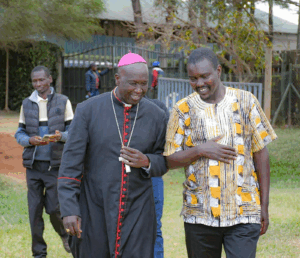
Since taking office, President Ruto has made no secret of his deep religious leanings. He often attends church events, regularly references scripture in his speeches, and has even led national prayer services from State House.
But this latest move — to construct a church within the presidential residence — has raised questions in legal and civil society circles. Critics argue it blurs the line between the state and religion, potentially undermining the secular nature of government enshrined in the Constitution.
Despite this, allies of the President have defended the initiative, framing it as an expression of his spiritual leadership and personal conviction.
Inside sources indicate that the church project is part of Ruto’s long-standing wish to have a permanent worship space within State House — a place he says will bring “honour” to God, not government.
About Author